Selling Wine Abroad: Opportunities and Strategies for Campania Wineries
Wineries in the province of Naples possess a wine heritage of great value, ready to be showcased in international markets. This article is designed to guide operators in the Campanian wine sector through the complexities of export, providing concrete strategies and essential information to win over new global buyers. From understanding specific regulations to best practices in negotiation and logistics, we offer a clear roadmap to transform territorial potential into commercial success abroad. Further reading: Federdoc — Confederazione Nazionale Consorzi Tutela Denominazioni Vini Italiani.
How do Campanian wines stand out in the global market?
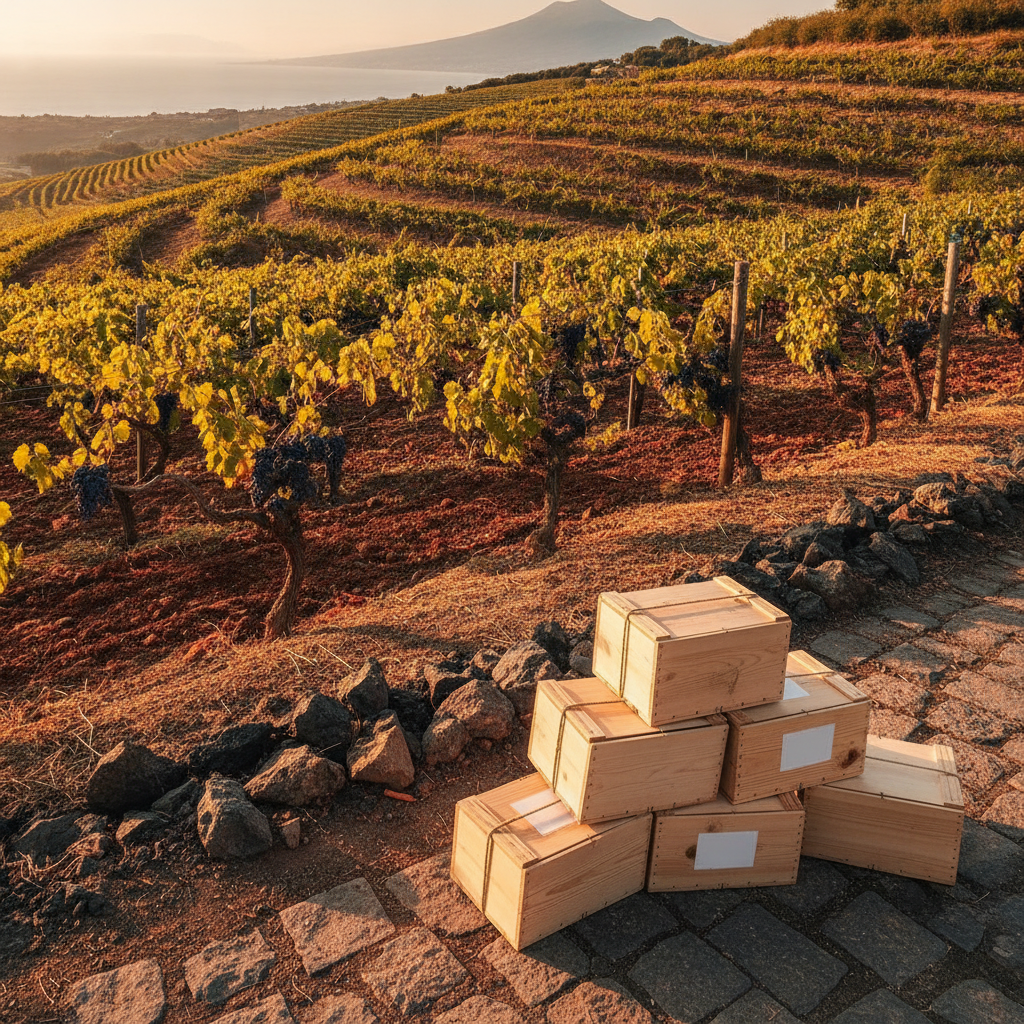
Campania boasts a millennia-old tradition in winemaking, with unique indigenous grape varietals such as Aglianico, Piedirosso, Falanghina, and Coda di Volpe, which produce wines with a distinctive character and a strong connection to the land. The province of Naples, in particular, benefits from a varied terroir, influenced by its proximity to the sea and the presence of Mount Vesuvius, which imparts mineral notes and an aromatic complexity appreciated internationally.
Neapolitan wineries looking to enter foreign markets can leverage Italy's consolidated image as a synonym for quality and gastronomic tradition. However, to compete effectively, it is crucial to understand export dynamics, the regulations of destination countries, and the needs of international buyers.
What are the relevant territorial and historical specificities for export?
The province of Naples, classified as a Metropolitan City, comprises 92 municipalities. Historical sources such as the 1900 volume "Viticoltura ed enologia" mention the production of "Bianchi speciali da esportazione" (Special White Wines for Export) and "Speciali" like Asprino di Caserta (a territory historically linked to the province of Naples). Today, the most representative Campanian wines looking towards export include those from denominations such as Taurasi DOCG, Fiano di Avellino DOCG, Greco di Tufo DOCG, Falanghina del Sannio DOC, and Vesuvio DOC.
Wineries wishing to export should focus on highlighting their indigenous grape varietals and specific denominations, communicating their link to the territory and the history encapsulated in each bottle.
How is an export negotiation for wine managed?
Embarking on an export negotiation requires meticulous preparation and a thorough understanding of the operational phases. Wineries in the province of Naples, like all sector operators, must navigate a precise sequence of steps to ensure a successful transaction.
How do you verify the reliability of a potential foreign buyer?
Before initiating any negotiation, it is crucial to verify the solidity and reliability of the potential buyer. This includes checking their commercial registration in the destination country, their possession of import licenses for alcoholic beverages (often mandatory outside the EU), and obtaining banking or commercial references. A preliminary credit risk analysis, possibly supported by credit check services or credit insurance (such as those offered by SACE), can prevent unpleasant surprises related to buyer insolvency.
What information must a proforma invoice for export contain?
The winery must prepare a proforma invoice that accurately details the products offered: denomination, vintage, bottle size, minimum order quantity (MOQ), unit price and currency, and the proposed Incoterm delivery term. Although the proforma invoice does not have fiscal value, it forms the basis for negotiation and may be requested by the buyer to obtain import licenses or activate documentary credit lines.
What are the essential documents for shipping wine abroad?
Every export wine shipment is accompanied by a set of fundamental documents for customs clearance, proof of the transport contract, and regulatory compliance. Among the most important are:
- Commercial Invoice: Issued by the exporter, it contains a detailed description of the product (denomination, vintage, size), quantity, value, Incoterm, and the HS customs classification code (for wine, chapter 2204). It is essential for calculating duties and taxes.
- Packing List: Describes the physical contents of each package, specifying the number of packages, type of packaging, gross and net weight, and cube. It must precisely match the commercial invoice.
- Transport Document: Depending on the transport mode, this can be a Bill of Lading for sea freight, an Air Waybill for air freight, or a CMR consignment note for road transport.
- Certificate of Origin: Attests to the country of production of the goods, required by some customs authorities for applying preferential duties or for statistical purposes.
- Insurance Policy/Certificate: Necessary if the delivery term requires it (e.g., CIF/CIP) or if the winery chooses to insure the cargo.
It is essential to remember that the exact list of required documents varies from market to market. Wineries should always consult their freight forwarder or the specific ICE (Italian Trade Agency) guides for the destination country before making the first shipment.
Wines Export actively collaborates with a select network of wineries looking to expand their presence in international markets. In the province of Naples, our producer pool includes a curated group of wineries representing the excellence of the region. These companies are ready to meet the demands of foreign importers and distributors, offering a diverse range of wines from aromatic whites to structured reds, with a focus on indigenous varietals and local denominations.
These wineries have been selected for their production quality, innovation capacity, and export commitment. Their presence in our network guarantees importers privileged access to authentic, high-quality wines, supported by an expert partner in facilitating international trade operations.

What are the key strategies for success in wine export?
For wineries in the province of Naples, export success is based on a combination of factors:
- Marketing materials in English: Wine technical sheets, company presentations, price lists (preferably in FCA/FOB format), and high-resolution images of labels are essential.
- Regulatory compliance: Before promising availability, it is crucial to verify that labels comply with the regulatory requirements of the destination country (e.g., TTB requirements for the US market).
- Clarity on MOQ and delivery times: Clearly define minimum order quantities, available formats, and production and bottling times for recurring orders.
- Highlighting references: If available, mention presence in other export markets or awards received (guide scores, prizes) that can strengthen credibility with foreign buyers.
- Selection of distribution partner: Collaborating with a rigorously selected distributor is fundamental. It is important to clarify market coverage (HORECA vs. retail) and online sales activities.
Italy's leadership position in the wine sector is an advantage to be defended with targeted strategies and a deep understanding of destination markets.
How to address specific market regulations for export?
Each market presents its peculiarities. For instance, for imports into the United States, it is necessary to consider TTB (Alcohol and Tobacco Tax and Trade Bureau) requirements for labeling and product registration. In other markets, state monopolies or specific provincial regulations may exist that require the intermediation of authorized agents or importers. ICE guides and platforms like Access2Markets offer valuable information for navigating these complexities.
Frequently Asked Questions about Neapolitan Wine Export
What are the indigenous grape varietals from the province of Naples best suited for export?
Campanian indigenous grape varietals such as Aglianico, Piedirosso, Falanghina, and Coda di Volpe are ideal for export, thanks to their distinctive character and strong territorial connection, which make them appreciated internationally.
What documents are always required for exporting wine outside the EU?
For export outside the EU, a Commercial Invoice, Packing List, Transport Document (such as a Bill of Lading or CMR), and often a Certificate of Origin are generally required. The exact list may vary depending on the destination country.
Is it necessary to register wine labels before exporting them to the United States?
Yes, for importation into the United States, it is necessary to consider the requirements of the TTB (Alcohol and Tobacco Tax and Trade Bureau) for labeling and product registration.
Wineries in the province of Naples have enormous potential to establish themselves in international markets. Through thorough preparation, understanding regulations, strategic partner selection, and highlighting their territorial excellences, it is possible to build a successful export path. Wines Export stands by Campanian wineries to offer support and consulting, facilitating access to a global network of buyers and importers ready to discover the quality and authenticity of Neapolitan wines.