Novara Wines: Export Opportunities for Piedmont Wineries
The province of Novara, in the heart of Piedmont, holds a wine heritage of great value, often underestimated in international markets. Its appellations, such as the renowned Boca, represent excellence that deserves promotion beyond national borders. This article offers a comprehensive overview of the export potential for Novara wineries, analyzing territorial specificities, regulations, and operational procedures necessary to successfully approach foreign markets, providing practical guidance for international buyers. Deep Dive: Federdoc — National Confederation of Italian Wine Protection Consortia.
Why are Novara Wines Interesting for Export?
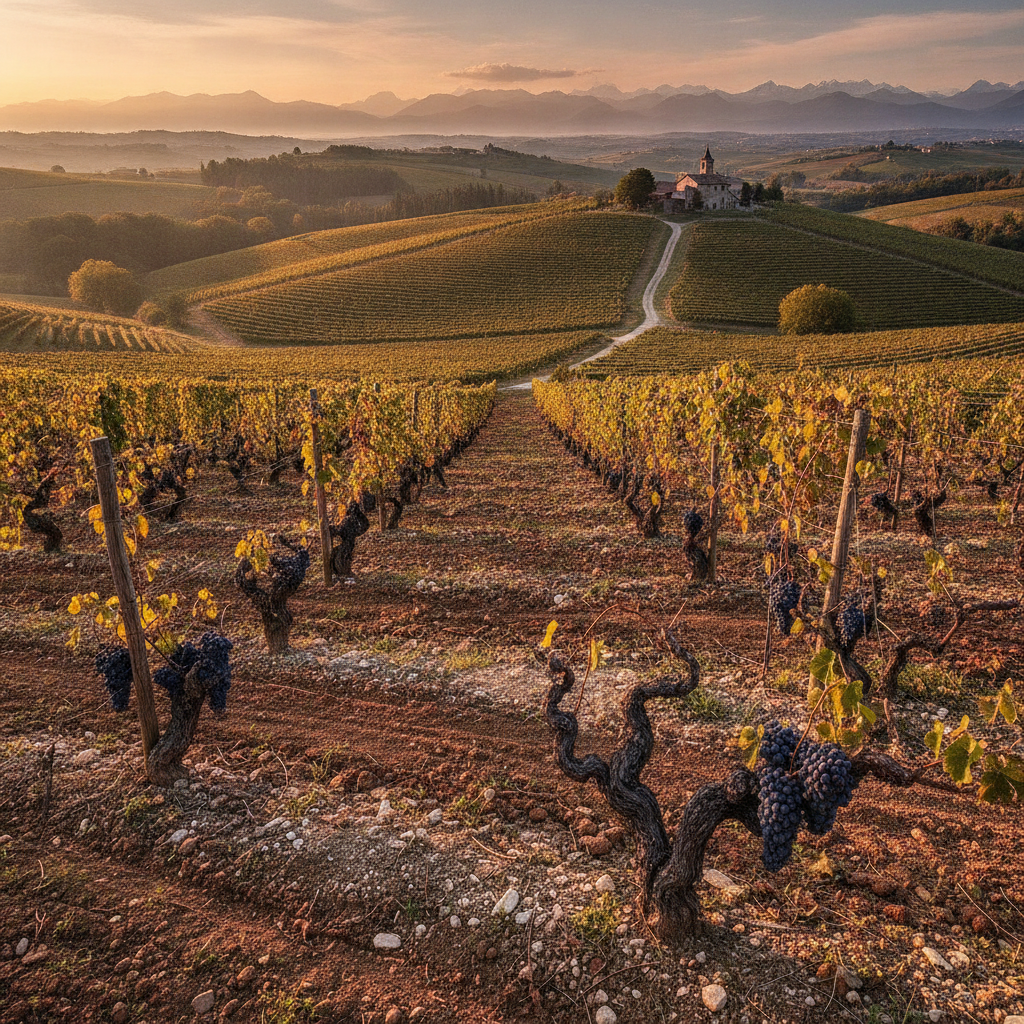
The province of Novara boasts a winemaking tradition rooted in a unique terroir, characterized by alluvial and piedmontese soils, ideal for cultivating indigenous and international grape varieties. Among its gems is Boca DOC, a red wine produced primarily from Nebbiolo (locally called Spanna) and Vespolina grapes, grown in a defined area. The production zone spans altitudes between 300 and 550 meters above sea level, lending the wines distinctive aromatic complexity and structure.
Winery operations for the production of appellation wines are permitted in a broad area extending across both the province of Novara and the neighboring provinces of Vercelli and Biella, including towns known for their winemaking vocation such as Ghemme and Gattinara. This territorial interconnection underscores the importance of a holistic vision for promoting the region's wines.
Beyond Boca, Novara is home to grape varieties like Nebbiolo, known here as Spanna, and Uva Rara, called Bonarda Novarese. These varietals, combined with traditional and innovative winemaking techniques, yield red wines of great character, capable of aging and expressing the best of their territory.
What Do Foreign Buyers Look for in Italian Wine?
International markets are increasingly seeking authenticity, quality, and unique stories to tell. Wineries in the province of Novara possess all the elements to meet these demands:
- Unique Appellations and History: Boca DOC, with its specific production area and history, represents a strong differentiating factor. Foreign buyers appreciate wines with a well-defined territorial identity and a compelling narrative.
- Quality and Aging Potential: Nebbiolo-based wines, in particular, are known for their longevity and ability to evolve in the bottle, characteristics highly sought after by discerning consumers and collectors.
- Indigenous Grape Varieties: The promotion of grape varieties like Spanna and Bonarda Novarese can attract the interest of importers and distributors looking for novelties and distinctive products beyond the more common labels.
To successfully enter foreign markets, Novara wineries must prepare marketing materials in English, including detailed technical sheets, company presentations, price lists in FCA/FOB format, and high-quality label images. It is crucial to verify label compliance with the regulatory requirements of the destination country before promising immediate availability.
How to Initiate Export Negotiations with a Foreign Buyer?
Embarking on the export journey requires a solid understanding of operational and documentary procedures. A winery initiating negotiations with a foreign buyer goes through several crucial stages:
- Buyer Contact and Qualification: Before negotiating, it is essential to verify the potential importer's solidity and reliability. This includes checking their commercial registration, alcoholic beverage import licenses (mandatory in many non-EU markets), bank references, and import history. A preliminary credit risk assessment, possibly through credit check services or credit insurance like SACE, can prevent unpleasant surprises.
- Commercial Offer and Negotiation: The winery sends a pro forma invoice detailing products, minimum order quantity (MOQ), prices, currency, and proposed Incoterm. This document serves as the basis for negotiation.
- International Shipping Documents: Each shipment requires a package of essential documents for transport, customs clearance, and regulatory compliance. Universal documents include the Commercial Invoice (mandatory, issued by the exporter, with details on product, value, HS code) and the Packing List (describes the contents of each package). You also need an EORI (Economic Operators Registration and Identification) number for import/export operations outside the EU. The exact combination of required documents varies by market, making consultation of ICE guides or the support of a freight forwarder indispensable.
- Payment Instruments: For high-risk markets or new buyers, a Documentary Letter of Credit (DLC) represents a secure payment instrument. It is a commitment to pay issued by a bank in favor of the exporter, conditional upon the presentation of documents compliant with UCP 600 rules of the International Chamber of Commerce (ICC). Banks operate based on document conformity, not the physical goods, making their accuracy crucial.
What are the Benefits of Collaborating with Wines Export?
Wines Export actively collaborates with wineries from the province of Novara, supporting them in their internationalization journey. Currently, several Novara wineries are part of our producer pool, benefiting from a consolidated network and strategic export-focused support. This network of wineries represents a strength for sharing experiences, optimizing processes, and accessing new market opportunities.
Frequently Asked Questions About Exporting Novara Wine
What are the main wine appellations in the province of Novara with export potential? Boca DOC is one of the most renowned appellations, produced primarily from Nebbiolo and Vespolina grapes. Other important grape varieties include Nebbiolo (Spanna) and Uva Rara (Bonarda Novarese).
What documents are essential for exporting wine outside the EU? Universal documents include the Commercial Invoice and Packing List. An EORI number is also required for customs operations outside the EU. Specific documentation may vary depending on the destination market.
How can I ensure secure payment from a foreign buyer? For high-risk markets or new buyers, a Documentary Letter of Credit (DLC) is a secure payment instrument, committing a bank to pay the exporter against compliant documents.
The province of Novara possesses significant enological potential, with appellations like Boca capable of conquering international palates. For Novara wineries, export represents a concrete growth opportunity. Meticulous preparation, a deep understanding of operational and documentary procedures, and the ability to communicate the uniqueness of one's territory are the keys to success.
If your winery is interested in exploring export opportunities for wines from the province of Novara, Wines Export is ready to assist you.