Palermo Wineries: A Guide to Exporting Sicilian Wine Worldwide
The province of Palermo offers fertile ground for wineries aiming for export, thanks to its distinctive wine heritage and favorable Mediterranean climate. This Sicilian territory, rich in history and pedoclimatic diversity, allows for the cultivation of indigenous and international grape varieties capable of producing quality wines with a strong territorial link. For international B2B operators, Palermo wineries represent an opportunity to discover authenticity and market potential, provided they focus on consistent quality, unique identity, and operational reliability. In-depth information: Federdoc — Italian National Confederation of Wine Denomination Protection Consortia.
What are the distinctive grape varieties and appellations of the province of Palermo?
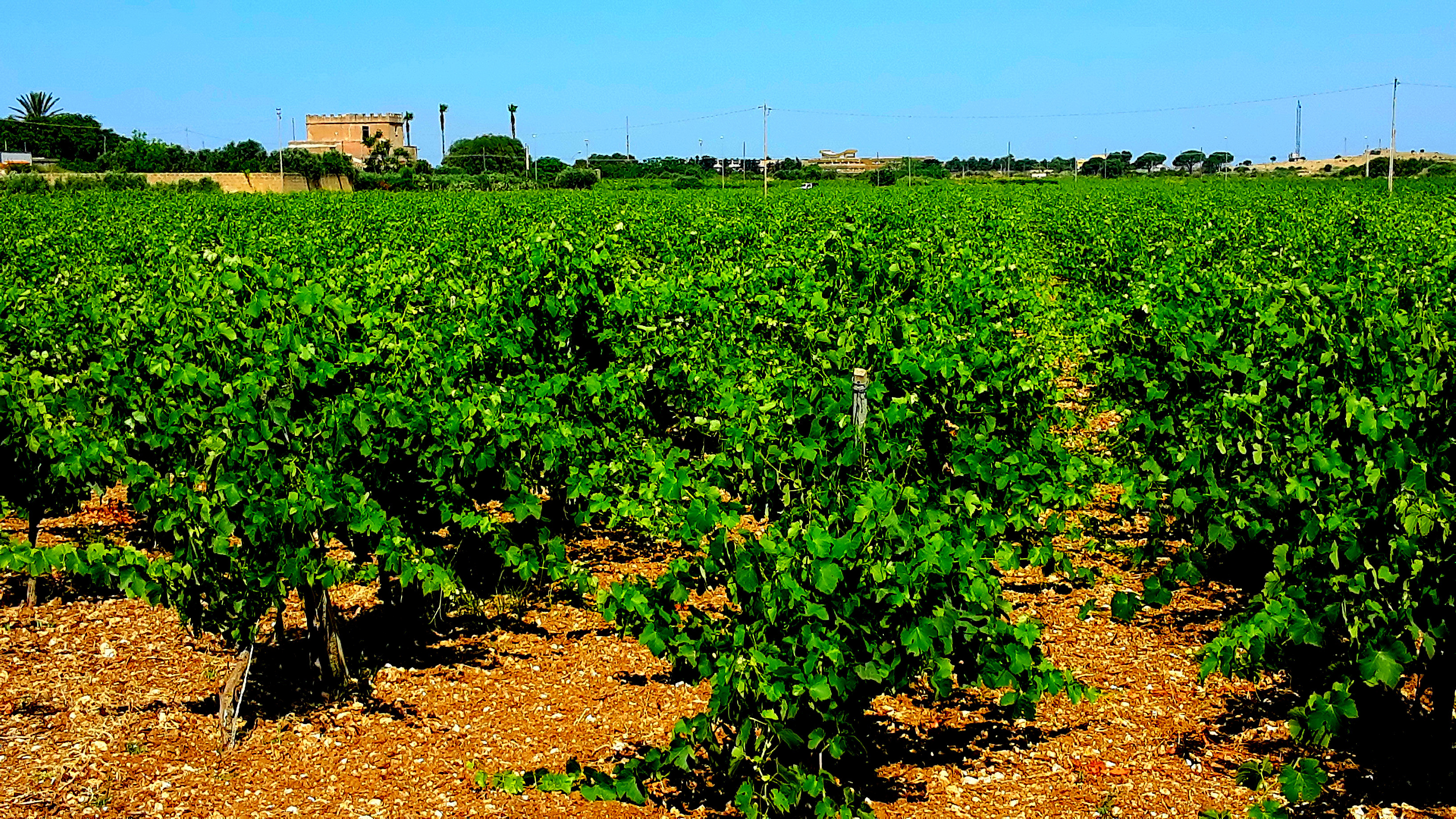
The province of Palermo boasts an ancient winemaking tradition, favored by a Mediterranean climate and diverse soils. Among the indigenous grape varieties, Nero d'Avola, Perricone, and Catarratto stand out, capable of expressing unique complexity and aromas. International varieties such as Syrah, Merlot, and Chardonnay also adapt well. Production areas extend from the coast to the hinterland, with potential for appellations that enhance territorial identity.
What do foreign importers look for when evaluating wines from the province of Palermo?
Foreign buyers prioritize wines that offer consistent quality, authentic territorial expression, and uniqueness, often linked to indigenous grape varieties like Perricone or Catarratto. Operational reliability, the ability to handle professional negotiations, meet delivery schedules, and provide necessary documentation are crucial. Regulatory compliance and a clear production scalability strategy complete the requirements for a successful business partner.
How can Palermo wineries ensure quality and authenticity for export?
To meet the demands of foreign buyers, Palermo wineries must focus on enhancing indigenous grape varieties, which offer a strong differentiating factor. Quality must be consistent over time and across vintages, reflecting the peculiar characteristics of Palermo's terroir. Effectively communicating the story and territorial identity of their wines is fundamental to creating a connection with the end consumer and standing out in international markets.
What are the important operational and logistical aspects for exporting wine from Palermo?
Operational reliability is a cornerstone for export. Wineries must demonstrate professionalism in commercial management, adhere to delivery terms, and provide accurate documentation. Clarity in proforma invoices, the correct choice of Incoterms, and efficient payment management, including the potential need for a letter of credit, are essential. Production capacity, or a defined growth strategy, is also important for meeting the needs of the foreign market.
What are the documentary and regulatory requirements for exporting wine from the province of Palermo?
Each destination market has specific regulations for wine importation. Wineries must be prepared to provide the commercial invoice, packing list, certificate of origin, and any other certification required by the importing country. Thorough knowledge of the regulations of each market is crucial to avoid delays and ensure the compliance of every shipment, guaranteeing that all necessary documentation is in order.
How does Wines Export support wineries in the province of Palermo with their exports?
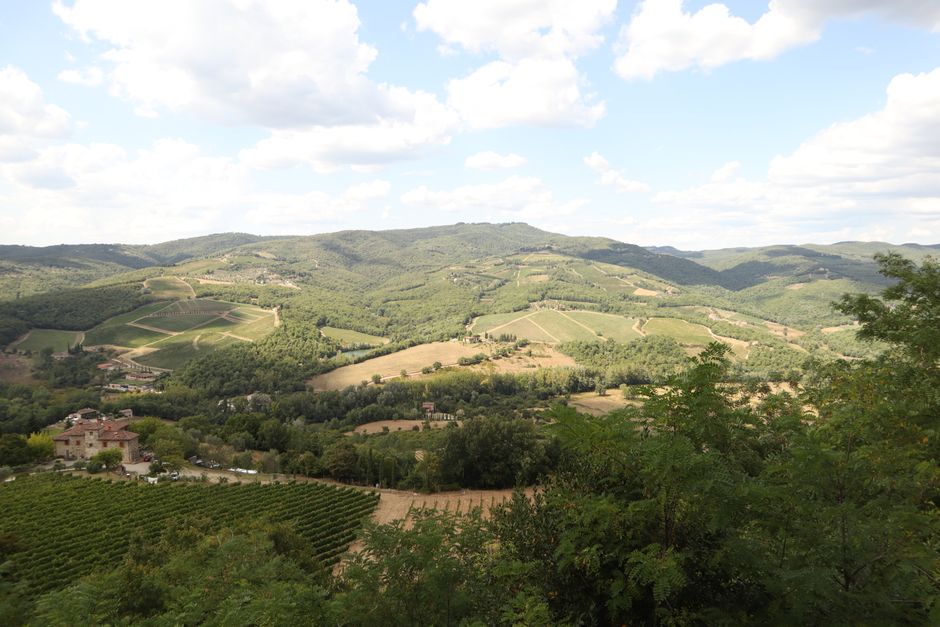
Wines Export acts as a strategic partner for Palermo wineries, facilitating access to international markets through our global network of qualified buyers. We offer support in negotiations, contracting, and managing the complex documentation required for export. Our consultancy aims to overcome linguistic, cultural, and bureaucratic barriers, promoting Sicilian enological excellence and guiding wineries towards success in foreign markets.
Frequently Asked Questions
What are the main indigenous grape varieties of the province of Palermo?
The main indigenous grape varieties of the province of Palermo include Nero d'Avola, known for its complexity, Perricone, with its structure and spicy notes, and Catarratto, which yields fresh and aromatic wines.
How can I ensure my Palermo wines comply with the regulations of a foreign market?
It is essential to inquire about the specific regulations of each importing country and be prepared to provide the required documentation, such as the commercial invoice, packing list, and certificate of origin.
What are the advantages of exporting wines with indigenous Sicilian grape varieties?
Exporting wines with indigenous Sicilian grape varieties offers a strong differentiating factor, allowing for the offering of unique and distinctive products that tell the authenticity of the territory, responding to the growing interest of foreign buyers in unconventional labels.
The province of Palermo possesses significant potential for wine export. By leveraging the quality of its indigenous grape varieties, the authenticity of its terroir, and ensuring operational reliability, local wineries can expand their global presence. Wines Export is the ideal partner to navigate the complexities of the international market and connect Sicilian enological excellence with qualified buyers worldwide.