Wines from Pescara Province: Opportunities for International Importers
The province of Pescara offers a wine heritage of growing interest for the international market. Wineries in Pescara, blending tradition and innovation, represent a concrete opportunity for foreign importers seeking authentic, quality wines with a strong territorial connection. This article guides international buyers through the export potential of Pescara's wineries, analyzing the characteristics of the territory, wine typologies, and operational aspects of exporting. Learn more: Federdoc — National Confederation of Italian Wine Protection Consortia.
What are the main wine denominations in the province of Pescara?
The province of Pescara boasts a unique terroir, ideal for both indigenous and international grape varieties. The main denominations include Montepulciano d'Abruzzo DOC, Trebbiano d'Abruzzo DOC, and Cerasuolo d'Abruzzo DOC. The Vini della Costa dei Trabocchi IGT area also exists.
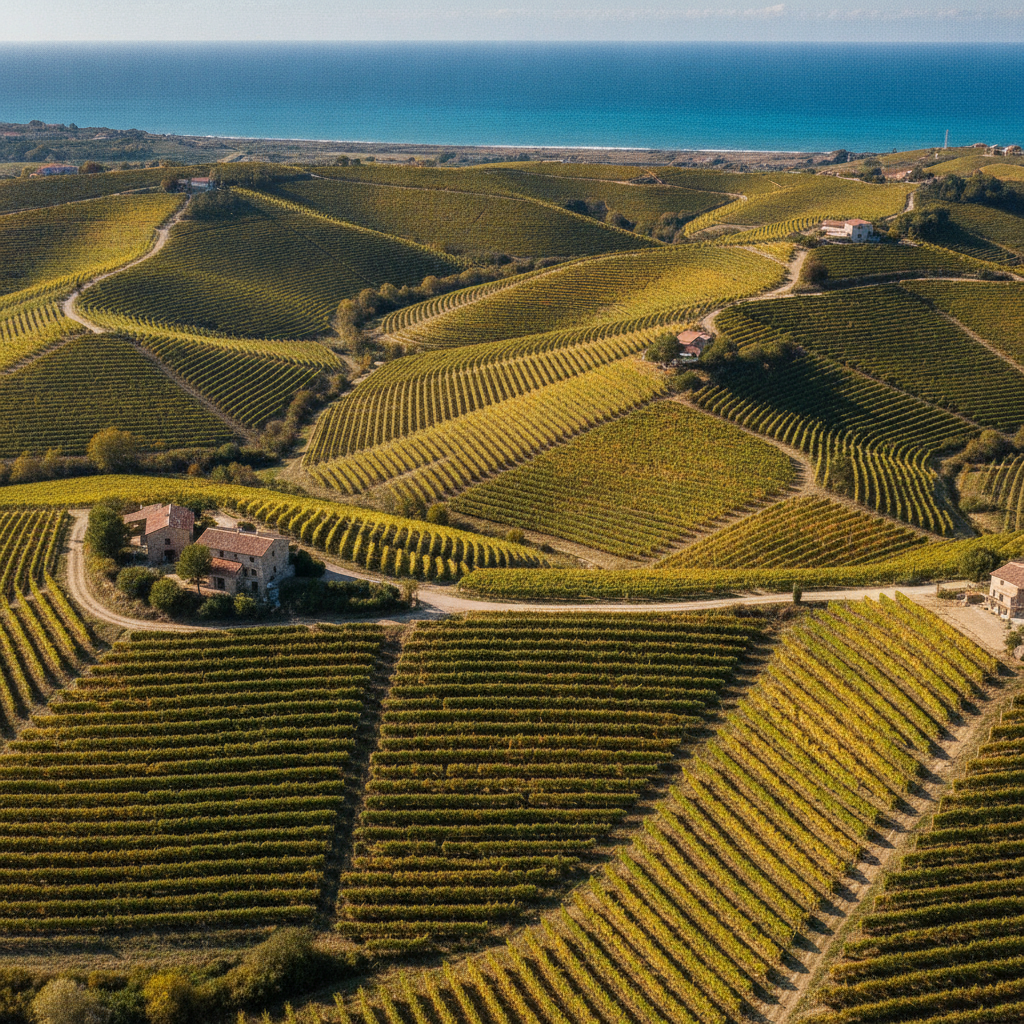
The Pescara territory, shaped by the convergence of the Adriatic Sea and the Apennine Mountains, offers a rich diversity of microclimates and soils. This variety is fundamental for cultivating grapevines that yield wines with distinctive characteristics. Beyond the main denominations, there are also producers of international grape varieties such as Merlot, Cabernet Sauvignon, Chardonnay, and Pecorino, expanding the offering for foreign markets.
Why should foreign buyers consider wineries from Pescara?
International importers seek products that offer added value through authenticity, history, and market potential. Wineries in Pescara attract interest due to their strong territorial identity, consistent quality, innovation, and flexibility in responding to market demands.
Authenticity tied to the Abruzzo territory and its indigenous grape varieties is a fundamental distinctive element. Buyers desire wines that tell a story and offer a unique sensory experience. Consistent quality, coupled with a modern approach to production and management, is equally crucial. Wineries investing in sustainable technologies and practices are particularly valued.
How does Wines Export support Pescara wineries in exporting?
Wines Export has created a network of wineries in the province of Pescara that are export-ready. This proprietary pool offers importers a curated selection of Abruzzo producers, chosen for their quality, production capacity, and openness to international markets, simplifying the search and selection process.
This network serves as a privileged starting point for importers. The wineries included have been evaluated according to criteria of reliability and export potential, ensuring an effective initial screening. The goal is to facilitate the connection between qualified buyers and excellent producers.
What is the operational process for exporting wine from the province of Pescara?
Exporting wine from the province of Pescara follows an operational flow that includes buyer qualification, commercial offer, management of country-specific export documentation, logistics, and destination customs and tax compliance.
The initial phase involves verifying the reliability of the potential importer, including their commercial registration and licenses. This is followed by sending a detailed pro forma invoice for negotiation. The necessary documentation varies by country and may include a commercial invoice, packing list, certificate of origin, health certificate, and transport documents.
What are the essential documents for wine export?
Essential documents for wine export include the Commercial Invoice, Packing List, and Transport Documents (such as the sea waybill). Depending on the market, a Certificate of Origin, Health/Phytosanitary Certificate, and specific customs documents may also be required.
It is crucial to consult country-specific guides, such as those provided by ICE Agency or Access2Markets. Collaboration with an experienced freight forwarder is vital to ensure all correct and up-to-date documentation is in place, avoiding delays or customs complications.
What strategic suggestions should Pescara wineries follow for export?
Pescara wineries should focus on in-depth market research, participation in industry trade fairs, investment in digital marketing, and the development of quality promotional materials. Building strong relationships and focusing on sustainability are further key elements for success.
Identifying the most promising markets, analyzing competition, and consumer preferences is the first step. Presence at international trade fairs allows for meeting buyers and building relationships. A multilingual website and a strong social media presence increase visibility.
Frequently Asked Questions
What are the requirements for importing wine from the province of Pescara?
Specific requirements for importing wine vary significantly from country to country. Generally, alcoholic beverage import licenses, compliance with local health and customs regulations, and the presentation of complete and accurate export documentation are necessary.
How can I verify the reliability of a wine importer?
To verify an importer's reliability, it is advisable to check their commercial registration in the destination country, confirm they hold the necessary licenses for alcoholic beverage importation, and request bank or trade references. A preliminary credit risk assessment can be useful.
What are the costs associated with exporting wine from the province of Pescara?
Costs associated with exporting include production costs, packaging, transportation (depending on the chosen Incoterm), cargo insurance, any customs duties and taxes in the destination country, and marketing and promotion expenses.
Wineries in the province of Pescara have significant potential to conquer new markets. With the right strategy, meticulous attention to operational details, and the support of expert partners like Wines Export, export success is an achievable goal.