Pordenone Wine: Export Opportunities for Local Wineries
The province of Pordenone, located in the Friuli-Venezia Giulia region, presents significant wine potential for export. Local wineries can capitalize on recognized appellations, grape varietal diversity, and international market opportunities. Understanding territorial specificities and export dynamics is crucial for attracting foreign buyers and establishing a presence in global markets. This article explores the distinctive characteristics of Pordenone wine and strategies for successful exportation. Learn more: Federdoc — National Confederation of Italian Wine Protection Consortia.
What are the main appellations and grape varietals in the province of Pordenone?
The province of Pordenone falls within the extensive Grave del Friuli DOC zone, renowned for its rich variety of grape varietals. This appellation, shared with Udine, produces fresh and aromatic white wines, as well as structured reds. Among the most common white grape varietals are Pinot Grigio, Pinot Bianco, Sauvignon, Tocai Friulano, and Chardonnay, valued for their acidity and fruity aromas. The red varietals include Merlot, Cabernet Franc, Refosco dal Peduncolo Rosso, and Cabernet Sauvignon, often characterized by notes of ripe fruit and good structure.
In-depth look at grape varietals and appellations
The province is also associated with specific productions, such as Conegliano Valdobbiadene Prosecco Superiore DOCG (although the primary zone is further west) and sparkling wines made with different fermentation methods. Regional regulations highlight grape varietals closely linked to Pordenone, such as Raboso N for rosé wines. Other permitted grape varietals for wines from the province include Lambrusco N, Marzemino N, Prosecco B, Terrano N, Cabernet Franc N, Cabernet Sauvignon N, Franconia N, Malbech N, Moscato B, Moscato rosa G, Müller Thurgau B, Pinot grigio G, Ribolla B, Riesling italico B, Riesling renano B, Tocai B, Traminer B, and Verduzzo B. This diversity allows wineries to offer a wide range of products to meet the demands of foreign markets.
What are the main wineries and production realities in the province of Pordenone?
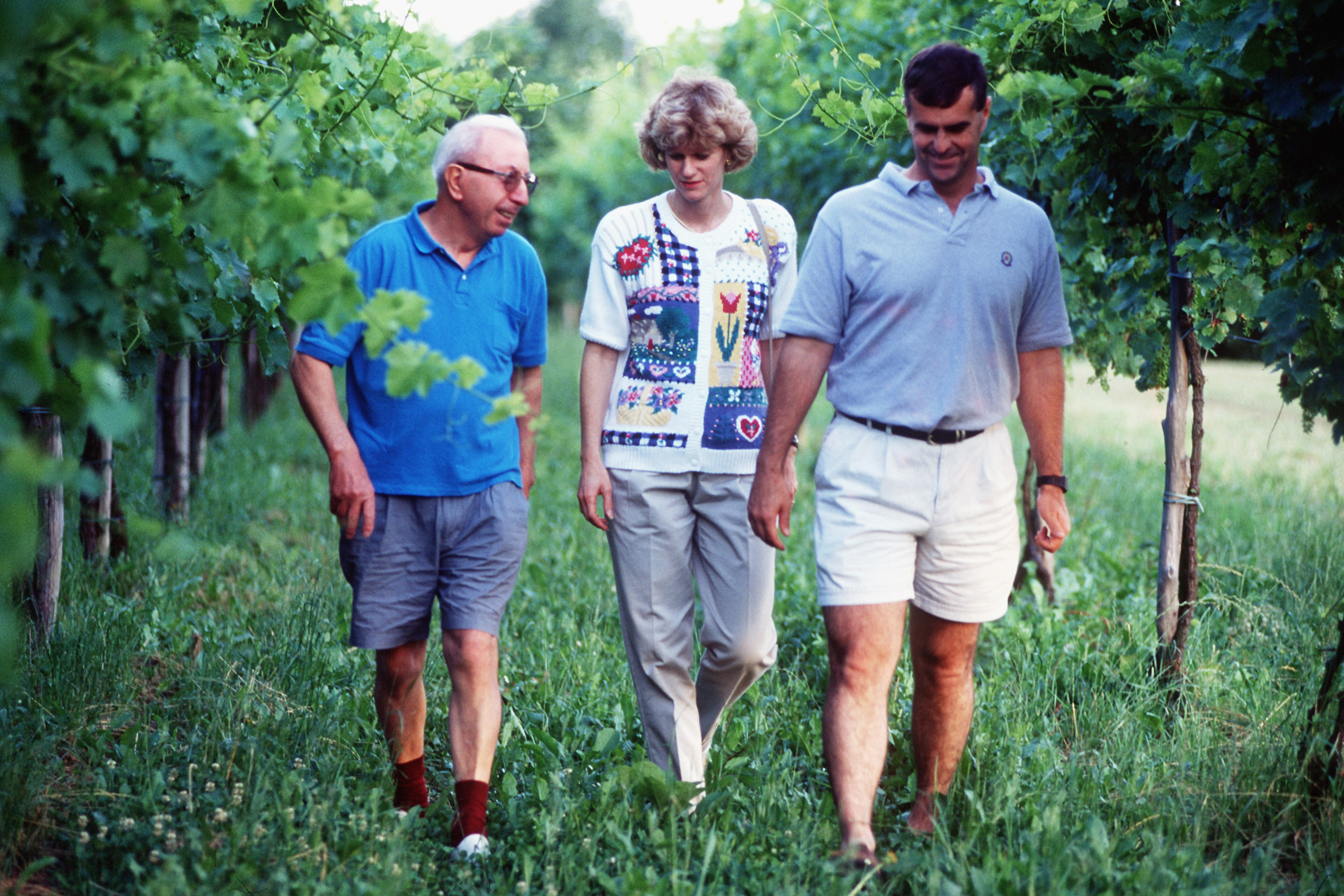
The province of Pordenone hosts several viticultural entities, from historic estates to cooperatives. Among these, Azienda Vinicola «La Caneva» in Fontanafredda stands out, with 250 hectares in the Grave del Friuli DOC. It produces wines such as Pinot Grigio, Merlot, and Refosco, exporting to Germany, Switzerland, and the Principality of Monaco. Friulvini, which aggregates social wineries, collects grapes for DOC Grave del Friuli wines and exports 15% of its production to markets like the United States, Canada, and England. Other entities include Cantina Sociale La Delizia in Casarsa della Delizia and Casa Vinicola Pavan s.r.l. “Terre Magre” in San Quirino. Wines Export collaborates with several Pordenone wineries, facilitating their access to international markets.
In-depth look at wineries and exports
Azienda Vinicola «La Caneva» produces wines such as Pinot Grigio, Pinot Bianco, Sauvignon, Tocai, Merlot, Cabernet Franc, Refosco dal Peduncolo Rosso, and a natural fermentation Brut Sparkling wine. Their presence in markets like Germany, Switzerland, and the Principality of Monaco highlights a consolidated export vocation. Friulvini, with an average annual production of 3 million bottles, exports 15% of its output to markets including the United States, Canada, England, the Benelux countries, Germany, Switzerland, Austria, and South Africa.
What are the export opportunities for wineries in Pordenone?
Wineries in the province of Pordenone have significant export opportunities, thanks to the quality of their wines and growing global demand. Historical markets like Germany and Switzerland remain important, but the United States, Canada, and England also offer growth potential. Exploring emerging markets or those with a strong preference for European wines can further expand their reach.
In-depth look at markets and export strategies
The export strategy must be tailored to the specific characteristics of each market. Germany appreciates fresh white wines and structured reds, while the United States market shows a growing interest in native wines and specific appellations. The ability to offer a diversified range, including both ready-to-drink wines and those for aging, represents a competitive advantage.
What documents and logistical aspects are necessary for exporting wine from Pordenone?
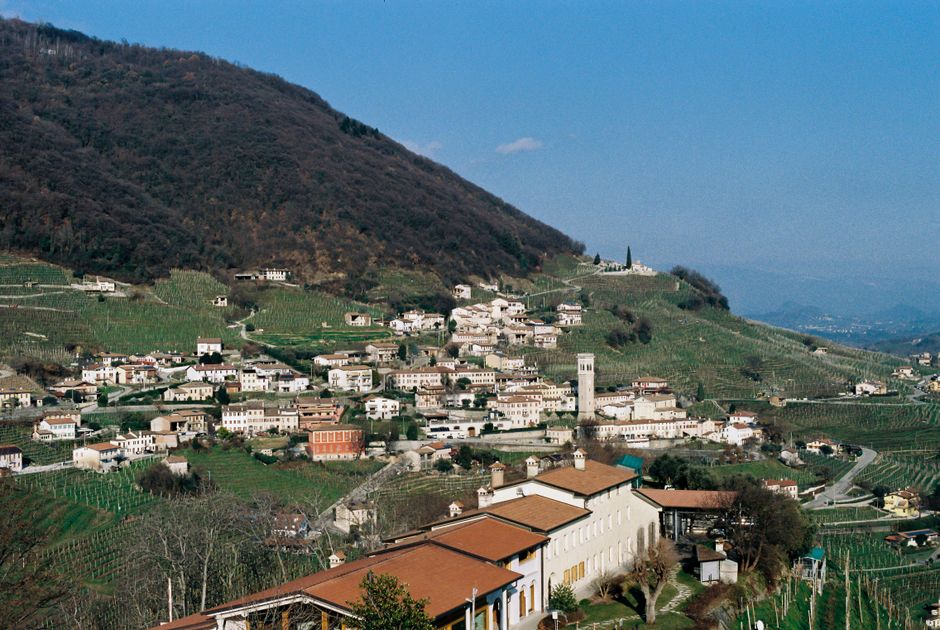
For wine exportation, proper documentation management is essential. Universal documents include the Commercial Invoice, the Packing List, and, depending on the agreements, the Insurance Policy/Certificate. For shipments outside the EU, an EORI number is mandatory. The Proforma Invoice is crucial in the preliminary negotiation stages. The choice of appropriate Incoterms (e.g., EXW, FOB, CIF) defines responsibilities and costs. While the province of Pordenone is not an administrative unit in itself, it comprises approximately 50 municipalities, and logistics must consider geographical location and infrastructure to optimize transportation.
In-depth look at documentation and logistics
The universal documents required for wine export are the Commercial Invoice, the Packing List, and the Insurance Policy/Certificate. For extra-EU shipments, the EORI (Economic Operators Registration and Identification) number is necessary. The Proforma Invoice is used to define order terms before confirmation. The selection of Incoterms (e.g., EXW, FOB, CIF) is critical for defining responsibilities between seller and buyer. Logistics management must consider Pordenone province's geographical location and available infrastructure to optimize transportation to shipping points.
Frequently Asked Questions about Exporting Wine from Pordenone
What are the main destination markets for Pordenone wine?
Historical destination markets include Germany and Switzerland, with growing interest from the United States, Canada, and England.
What documents are indispensable for exporting wine outside the EU?
For shipments outside the EU, the Commercial Invoice, Packing List, Insurance Policy/Certificate, and EORI number are mandatory.
Which grape varietals are particularly representative of the province of Pordenone?
Among white grape varietals, Pinot Grigio and Tocai Friulano stand out, while red varietals include Merlot and Refosco dal Peduncolo Rosso.
The province of Pordenone offers solid potential for wine export, thanks to its appellations, grape varietal diversity, and a network of wineries already active in international markets. Fully leveraging global opportunities requires an understanding of regulations, meticulous documentation management, and a targeted marketing strategy.