Selling Wine Abroad: Strategies for Ragusa Wineries
The province of Ragusa, with its wine-making traditions, offers growth potential for wineries targeting international markets. This article serves as a concise guide for Ragusa-based wine businesses considering exports, focusing on essential operational procedures and documentation. The goal is to provide a clear framework for successfully navigating export challenges while leveraging the excellence of "Made in Italy." Learn more: Federdoc — Italian National Confederation of Wine Consortia for Protection.

How Can Wineries in the Province of Ragusa Expand Their Business Abroad?
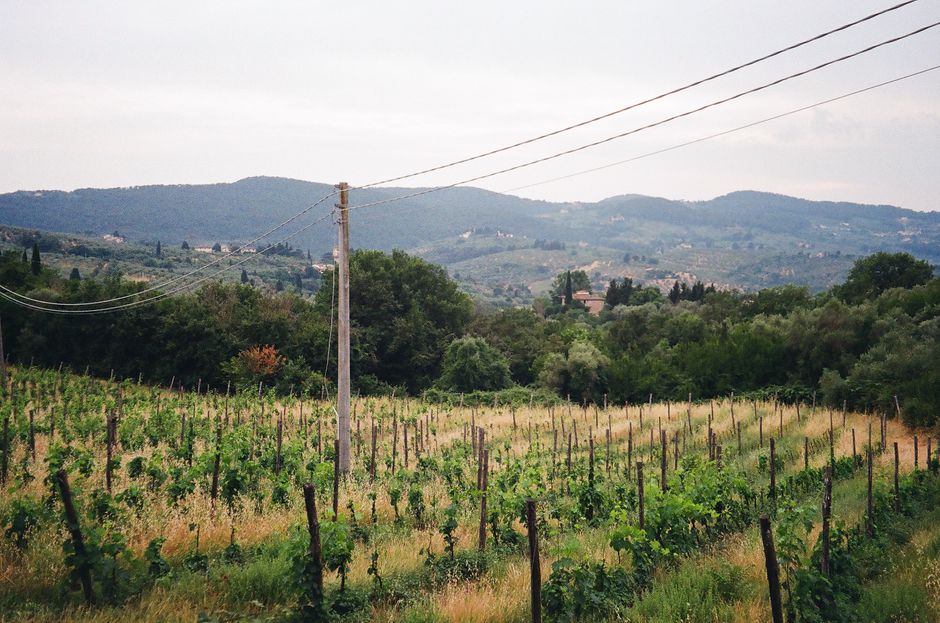
Wineries in the province of Ragusa, like other Italian wine producers, can leverage the excellence of "Made in Italy" to establish themselves in foreign markets. The province comprises 12 municipalities, each with territorial specificities that can further enhance the local wine potential.
What Are the Key Steps for Exporting Wine?
Wine export is an intricate process that includes buyer qualification, commercial offering, and document management. Each phase requires careful attention to ensure secure, compliant transactions with international regulations, thereby reducing risks and building strong business relationships.
How to Qualify a Foreign Buyer for Wine Export?
Before initiating negotiations, it is crucial to verify the reliability and solvency of the potential foreign buyer. This involves checking their commercial registration in the destination country, verifying any import licenses for alcoholic beverages, and requesting bank or trade references.
How to Prepare a Commercial Offer for Export?
The winery must prepare a detailed commercial offer, often in the form of a proforma invoice. This document should include precise information on products, minimum order quantities (MOQ), unit prices and currency, as well as proposed delivery terms according to Incoterms.
What Documents Are Essential for International Wine Shipments?
Every wine shipment abroad requires essential documents to prove the transport contract, facilitate customs clearance, and ensure regulatory compliance. Among the most common are the Commercial Invoice, Packing List, transport documents (such as the Bill of Lading), Certificate of Origin, and Insurance Policy/Certificate, if applicable.
How to Handle Customs and Labeling Considerations for Export?
Customs and labeling regulations vary significantly across different markets. For example, when exporting to Argentina, the export invoice must be presented in Spanish and accompanied by a "packing note." Other markets may require specific information on nutritional facts or "health warnings."
Frequently Asked Questions
What Are the Main Destination Markets for Italian Wine?
The original text does not specify the destination markets for Italian wine.
What Are the Procedures for Obtaining Wine Import Licenses in Non-EU Countries?
The original text mentions the importance of verifying import licenses for alcoholic beverages in non-EU markets but does not detail the procedures for obtaining them.
Is a Certificate of Origin Required to Export Wine to All Countries?
While a Certificate of Origin is requested in some markets to benefit from tariff preferences or for regulatory reasons, it is not universally mandatory for all destinations.
Exporting represents a significant growth opportunity for wineries in the province of Ragusa. Thorough preparation and careful management of all procedural and regulatory aspects are fundamental for success.