Valtellina Wines: Export Sales Opportunities for Sondrio Wineries
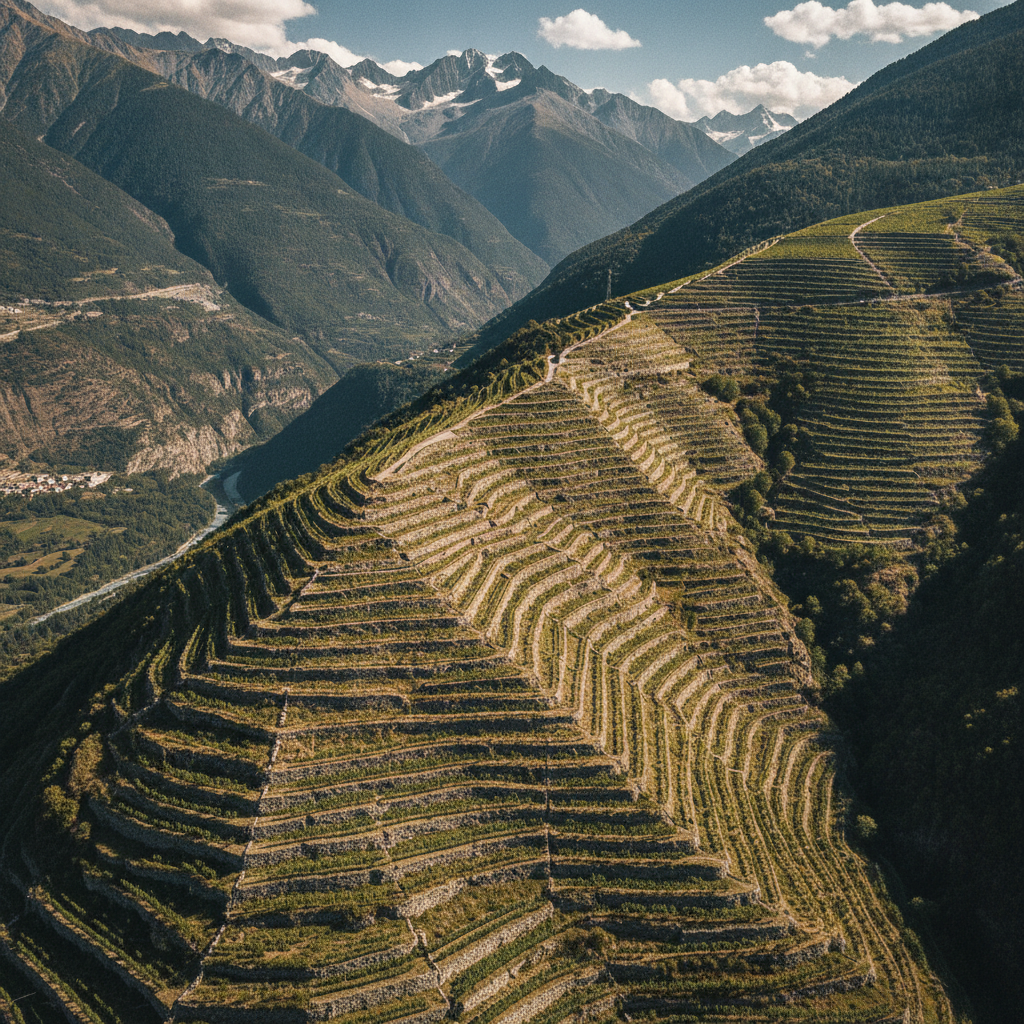
The province of Sondrio, with its renowned Valtellina region, offers unique wines, born from heroic viticulture on alpine terraces. Although historically linked to Switzerland, the export potential to new international markets is significant. This article explores the distinctive characteristics of Sondrio wines, the opportunities, and the challenges for local wineries looking to expand globally. The objective is to provide a comprehensive overview to facilitate the export approach, highlighting strengths and strategies for success, with a particular focus on international importers seeking Italian excellence. Further information: Federdoc — National Confederation of Italian Wine Protection Consortia.
What are the Unique Characteristics of Wines from the Province of Sondrio?
Wines from Sondrio are distinguished by their unique terroir, shaped by heroic viticulture on alpine terraces. The principal grape variety is Nebbiolo, locally known as Chiavennasca, which gives rise to red wines of great structure, elegance, and longevity, with complex notes of red fruit and spices.
Deep Dive into Designations and Grape Varieties
The most prestigious designations include Valtellina Superiore DOCG, divided into sub-zones such as Grumello, Inferno, Maroggia, Sassella, and Valgella, each with its unique nuances. Sforzato di Valtellina DOCG is a passito wine made from dried Nebbiolo grapes, offering exceptional aromatic intensity and smoothness. Valtellina ROSSO DOC is a younger, more immediately drinkable wine that retains the elegance of Nebbiolo. In addition to Nebbiolo, indigenous grape varieties like Pignola, Rossola, and Incrocio Manzoni are found, enriching the diversity of Sondrio's wine landscape.
What Market Opportunities Exist for Exporting Sondrio Wines?
The uniqueness of the terroir, the heroic viticulture, and the terraced landscapes of Valtellina attract consumers and importers seeking authentic, high-quality products. Wines from Sondrio position themselves in premium market segments, where consumers appreciate exclusivity and quality.
Growth Potential and Global Interest
The global market shows constant interest in Italian wines, and wineries from Sondrio can tap into this trend by offering a distinctive product. Beyond the well-established Swiss market, there are opportunities in emerging markets where the demand for quality wines is growing, such as certain Asian or North American markets, provided a targeted penetration strategy is employed.
What are the Main Challenges in Exporting Sondrio Wines?
Challenges include high production costs due to heroic viticulture, complex logistics for transportation from rugged areas, and strong international competition. Understanding foreign markets, including regulations and consumer preferences, requires investment in research and consultancy.
Cost and Logistics Management
Heroic viticulture entails significantly higher production costs, which are reflected in the final wine price. The territory's conformation and the necessity of transporting grapes and finished products from difficult-to-access areas can complicate logistics, especially for international shipments.
How Has the Oenological Cooperative of Sondrio Influenced Viticultural History?
The viticultural history of Sondrio is linked to the local oenological cooperative, which played a central role in purchasing the best grape harvests and producing consistent, refined wines for the local and Swiss markets. This cooperative, with a winery capable of holding 20,000 hectoliters and equipped with modern systems, represented a benchmark for quality.
The Legacy of the Cooperative Model
The presence of a brick-lined barrel coated in crystal, capable of preserving wine for a very long time, testified to the focus on innovation and quality preservation. This cooperative model underscores the importance of collaboration and resource centralization to ensure high standards and facilitate access to international markets.
What Documents Are Essential for Exporting Wine from Sondrio?
For export, proper documentation management is crucial. The EORI (Economic Operators Registration and Identification) number is mandatory for customs operations within the EU. Other fundamental documents include the Proforma Invoice, the Quality Certificate and Export Invoice, and the Insurance Policy/Certificate if applicable.
Market-Specific Documentation
It is essential to verify the updated documentation list with your shipping agent or through ICE guides dedicated to each market, as specific documentation can vary significantly from country to country. The Italian Customs Agency manages the free application for the EORI number.
Frequently Asked Questions
What are the main grape varieties used for Sondrio wines intended for export?
The principal grape variety is Nebbiolo, locally known as Chiavennasca, from which wines of great structure and elegance are derived.
What are the most important designations for exporting Sondrio wines?
The most prestigious designations include Valtellina Superiore DOCG (with sub-zones like Grumello, Inferno, Sassella) and Sforzato di Valtellina DOCG, a passito wine.
What are the historical markets for Valtellina wines?
Switzerland has always been the natural market for Valtellina wines, thanks to its geographical proximity and recognized quality.
What production costs influence the price of Sondrio wines?
Production costs are high due to heroic viticulture, which requires intensive manual labor and deep knowledge of the territory, leading to limited mechanization.
Wineries in the province of Sondrio possess an invaluable enological heritage, capable of captivating the most discerning palates globally. The combination of a unique terroir, heroic viticulture, and high-quality wines offers a solid foundation for international expansion. Approaching foreign markets requires a clear strategy that highlights the product's and territory's uniqueness.