Selling Teramo Wine Abroad: Strategies and Requirements for Wineries
The province of Teramo, with its unique wine heritage, offers wineries a concrete opportunity for expansion into foreign markets. This article serves as a comprehensive guide for Teramo-based companies looking to initiate or consolidate their export journey. We will explore the regional specificities, essential documentary requirements, and commercial strategies for successfully approaching international buyers, providing a clear framework for navigating the complexities of wine exportation. In-depth information: Federdoc — National Confederation of Italian Wine Protection Consortia.
What are the specific characteristics of the Teramo province's wine heritage?
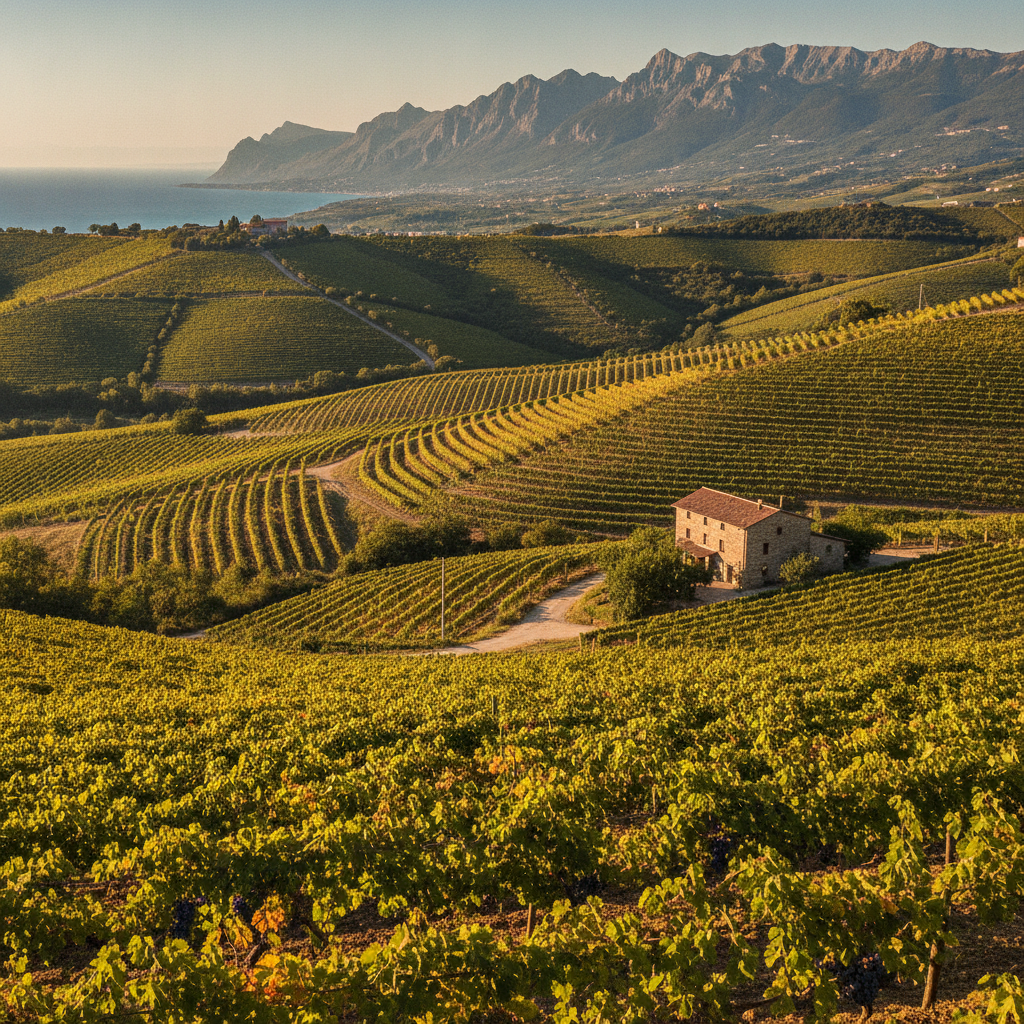
The province of Teramo boasts a rich winemaking history, with a diverse landscape ranging from coastal hills to mountainous slopes. This variety of microclimates and soils is reflected in the quality and uniqueness of the wines produced, notably Montepulciano d'Abruzzo and Trebbiano d'Abruzzo, alongside indigenous grape varieties with great potential for foreign markets seeking authenticity.
Wineries in Teramo looking towards export must contend with a demanding global market. Product quality must be supported by a solid understanding of international regulations, customs procedures, and the most effective marketing strategies. The province counts several wineries that collaborate with Wines Export, demonstrating the commitment of a region dedicated to excellence.
How is the operational path for wine export structured?
Wine export follows a defined operational process, starting from buyer contact and concluding with product delivery. Each phase requires attention to detail and the correct preparation of necessary documentation to ensure a smooth and compliant transaction.
How do you qualify a foreign buyer before entering into negotiations?
Before negotiating, it is crucial to verify the reliability and solvency of the potential foreign buyer. This includes checking their commercial registration in the destination country, any necessary import licenses for alcoholic beverages, and requesting bank or commercial references. A preliminary credit risk analysis, supported by services like those offered by SACE, can prevent insolvency-related issues.
What information should a preliminary commercial offer (proforma invoice) contain?
The proforma invoice, though not having fiscal value, serves as the basis for negotiation. It must include a detailed description of the products (appellation, vintage, format), the minimum order quantity (MOQ), the unit price and currency, as well as the proposed Incoterm for shipping. Negotiating this document allows for the definition of the contractual terms that will then be formalized.
What are the essential documents for international wine shipments?
Every wine shipment abroad requires a set of indispensable documents to attest to the transportation contract, facilitate customs operations, and certify product regulatory compliance.
- Commercial Invoice: Prepared by the exporter, it contains a complete description of the product, quantity, value, Incoterm, and HS code (Chapter 2204 for wine). Customs authorities use it to calculate duties and taxes. Errors can cause delays or disputes.
- Proforma Invoice: Anticipates the order terms, supports preliminary negotiations, and may be needed by the buyer to obtain licenses or credit lines.
- Packing List: Describes the physical contents of each package, specifying the number of packages, type of packaging, gross and net weight per package and in total, and cubic volume. This data must match the commercial invoice.
- Insurance Policy/Certificate: Attests to the insurance coverage on the cargo if required by the Incoterm (e.g., CIF/CIP) or if the winery chooses to insure the shipment.
The exact list of documents varies from country to country. It is essential to verify updated requirements with the freight forwarder or consult specific guides provided by entities such as ICE Agency before shipping to a new market.
What are the specific requirements to consider for destination markets?
Each foreign market presents regulatory and bureaucratic peculiarities that wineries must be aware of for successful export.
What are the particular considerations for exporting wine to France?
When exporting to France, particular attention must be paid to mandatory labeling information, which must comply with French regulations. A double-check between the quality department, the export office, and the
Frequently Asked Questions
What are the indigenous grape varieties of the Teramo province that might appeal to foreign markets?
The province of Teramo boasts indigenous grape varieties with great potential for foreign markets seeking authenticity, in addition to the more well-known Montepulciano d'Abruzzo and Trebbiano d'Abruzzo.
How can I verify the reliability of a potential foreign buyer before starting negotiations?
It is crucial to check the buyer's commercial registration in the destination country, verify their possession of import licenses for alcoholic beverages, and request bank or commercial references.
What essential information must be included in a proforma invoice for a wine export negotiation?
The proforma invoice must contain a detailed description of the products, the minimum order quantity (MOQ), the unit price and currency, as well as the Incoterm proposed for the shipment.