Aosta Valley Wines Worldwide: Opportunities for Mountain Wineries
The Aosta Valley, with its alpine landscape and unique climate, is home to mountain viticulture producing wines with character. For Italian wineries looking beyond national borders, this region represents a territory of potential interest, both for its native productions and for the challenges and opportunities its particular orography presents. This article explores the Aosta Valley's wine landscape, analyzing its unique characteristics and export prospects, with a focus on wineries operating in this region and strategies for reaching international markets. Learn more: Federdoc — National Confederation of Consortia for the Protection of Italian Denominations.
Why is Aosta Valley Mountain Viticulture Unique?
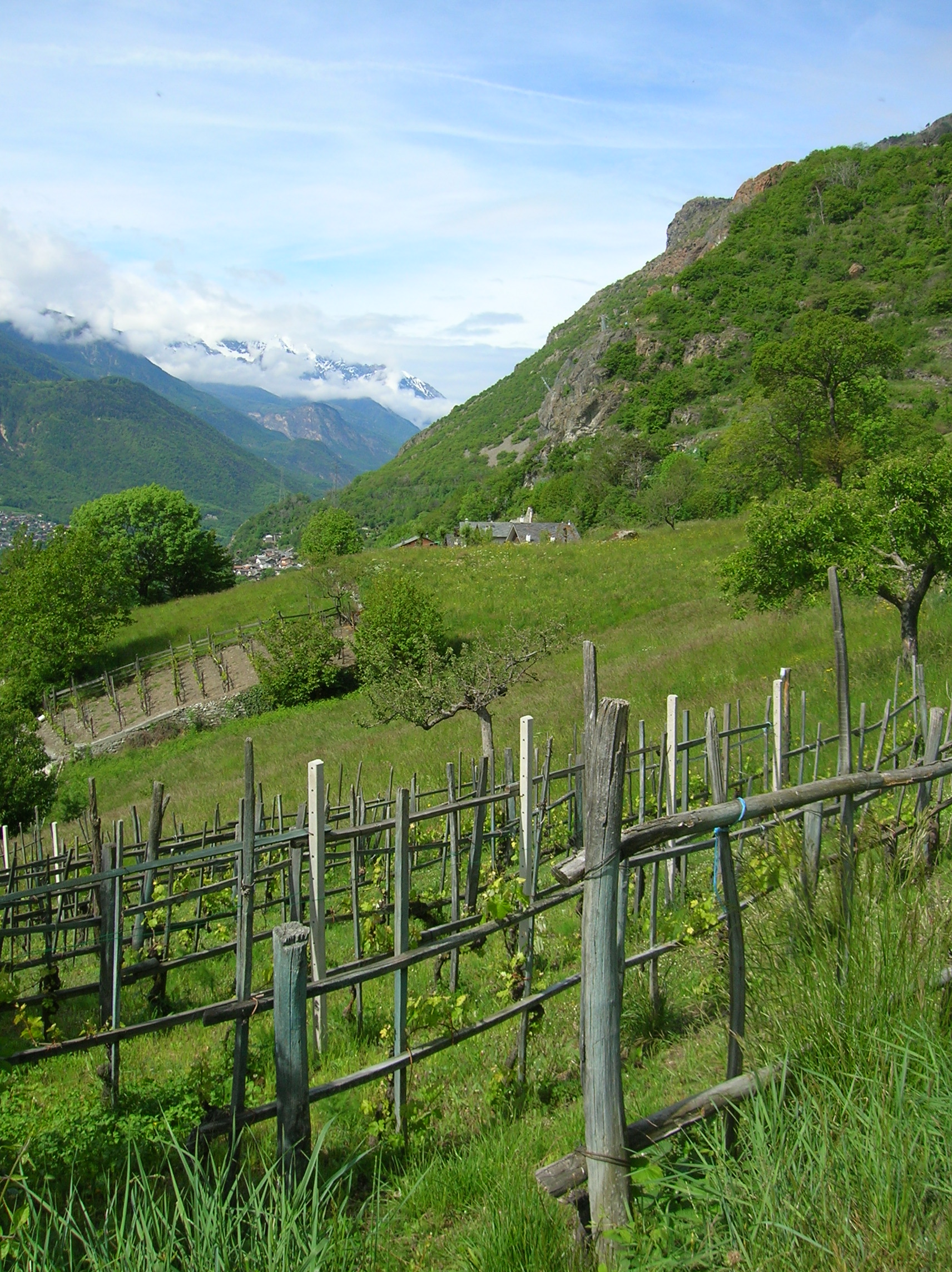
The Aosta Valley is characterized by heroic viticulture, practiced on steep slopes and at high altitudes. Vineyards extend for approximately 490 hectares, with 400 classified as Denominazione di Origine Controllata (DOC). This limited area, combined with extreme climatic conditions, gives Aosta Valley wines rarity and typicity that can attract niche markets and connoisseurs seeking authentic products.
The region is geographically divided into Lower, Middle, and Upper Valleys. Large daily temperature fluctuations and valley breezes, coupled with scarce rainfall, contribute to creating an environment hostile to vine diseases, favoring more sustainable viticulture with less reliance on chemical treatments.
Which Grape Varieties Characterize Aosta Valley Wines?
The varietal landscape of the Aosta Valley is a fascinating blend of native grapes and international varieties that have adapted to the alpine terroir. The Denominazione di Origine Controllata (DOC) Valdostana/Vallée d'Aoste encompasses as many as 19 grape varieties. Among these, some are emerging as ambassadors of the territory:
- Blanc de Morgex et de La Salle: Based on the native Prié blanc grape, it is a unique white wine cultivated at the highest altitudes in Europe.
- Petite Arvine: An aromatic grape variety that yields fresh and fragrant white wines.
- Fumin: A red grape variety producing wines with good structure and spicy notes.
- Torrette: A blend based on Petit Rouge (at least 70%), offering elegant red wines.
- Donnas: A DOC red wine requiring at least 85% Nebbiolo, evoking proximity to Piedmont's Langhe.
- Chambave Muscat: A grape variety that yields aromatic wines, often also used for the production of dried grape wines.
Alongside these, varieties such as Pinot Bianco, Pinot Grigio, Sauvignon, Riesling Renano, and Gewürztraminer (aromatic Traminer) for whites, and Merlot, Cabernet Franc, and Cabernet Sauvignon for reds, complete the range, demonstrating the region's ability to embrace and enhance even international varieties.
Which Aosta Valley Wineries Are Ready for Export?
The Aosta Valley boasts a network of wineries which, despite often being artisanal in size, are capable of producing high-quality wines. Production is distributed between social wineries and individual producers. Approximately 35% of the vinified production is managed by social wineries, while the rest is processed directly by individual grape growers.
Regarding exports, Wines Export has identified several Aosta Valley wineries that are part of its producer pool. These companies represent the excellence of the territory and are prepared to face the challenges of exporting, supported by consolidated know-how and a strong territorial identity. Their presence in our network testifies to Wines Export's commitment to promoting Italian wine realities in international markets, offering a targeted service to facilitate access to new buyers and distributors.
How to Approach Export Strategies for Aosta Valley Wines?
Exporting wines from a region like the Aosta Valley requires a well-defined strategy that considers the specificities of the product and the target markets.
How to Qualify a Foreign Buyer?
Before initiating negotiations with a foreign buyer, a phase of buyer contact and qualification is essential. This includes verifying solvency, import licenses (mandatory in most non-EU markets), and the importer's business history. Services such as credit checks or credit insurance (e.g., SACE) can mitigate risks.
Negotiations are based on a commercial offer that includes product details, minimum order quantities (MOQ), prices, and payment terms. The choice of Incoterm offered is crucial for defining logistical and insurance responsibilities.
What Documents Are Required for Export?
Each destination market has specific documentation requirements. For example, for exports to Ivory Coast, a Pre-Import Authorization (API) and a Formulaire de Déclaration d'Importation (FDI) are required if the FOB value exceeds a certain threshold. For France, it is essential to verify mandatory label statements, consulting sources like economie.gouv.fr.
The winery must prepare the production label conforming to EU regulations and agree with the importer on the content of any local adhesive labels or specific markings required by the market. Maintaining the wine's certificate of analysis and certificate of origin is also fundamental, as they are often requested at customs.
What Are the Contractual Options for International Distribution?
The choice of contractual form with the foreign importer is a strategic decision. An exclusive distribution agreement can incentivize the distributor's investment in the brand but entails dependence on a single partner. A non-exclusive agreement, on the other hand, offers greater flexibility but requires more widespread market management. The United Nations Convention on Contracts for the International Sale of Goods (CISG) provides a framework for international contracting.
Frequently Asked Questions
What are the main native grape varieties of the Aosta Valley?
The main native grape varieties emerging as ambassadors of the territory include Prié blanc (for Blanc de Morgex et de La Salle), Petite Arvine, Fumin, Petit Rouge (base for Torrette), and Nebbiolo (for Donnas).
What are the characteristics of mountain viticulture in the Aosta Valley?
Viticulture is defined as "heroic," practiced on steep slopes and at high altitudes. Large daily temperature fluctuations, valley breezes, and scarce rainfall create an environment conducive to more sustainable viticulture.
What are the documentary requirements for exporting wines from the Aosta Valley?
Documentary requirements vary depending on the destination market. Examples include the Pre-Import Authorization (API) and the Formulaire de Déclaration d'Importation (FDI) for Ivory Coast, and verifying mandatory label statements for France. It is always necessary to retain the wine's certificate of analysis and certificate of origin.
The Aosta Valley, with its heroic viticulture and unique grape varieties, offers untapped export potential. The various Aosta Valley wineries present in the Wines Export pool are ready to seize this opportunity, supported by a service that facilitates access to global markets. Understanding foreign market dynamics, managing complex documentation, and choosing the right contractual strategy are essential steps for success. Wines Export positions itself as a strategic partner to accompany these Aosta Valley excellences on their internationalization journey, valorizing the quality and uniqueness of their wines.