Varese Wines: Expand Your Winery into International Markets
The province of Varese, with its winemaking tradition and strategic location, offers significant potential for wineries aiming for export. While not among the most globally renowned wine regions, Varese boasts production excellences that deserve international recognition. This guide outlines opportunities, challenges, and key steps for Varese wineries wishing to expand their business into foreign markets, addressing the complexities of international trade with a targeted strategy. Learn more: Federdoc — National Confederation of Italian Wine Protection Consortia.
Why Export Wine from the Province of Varese?
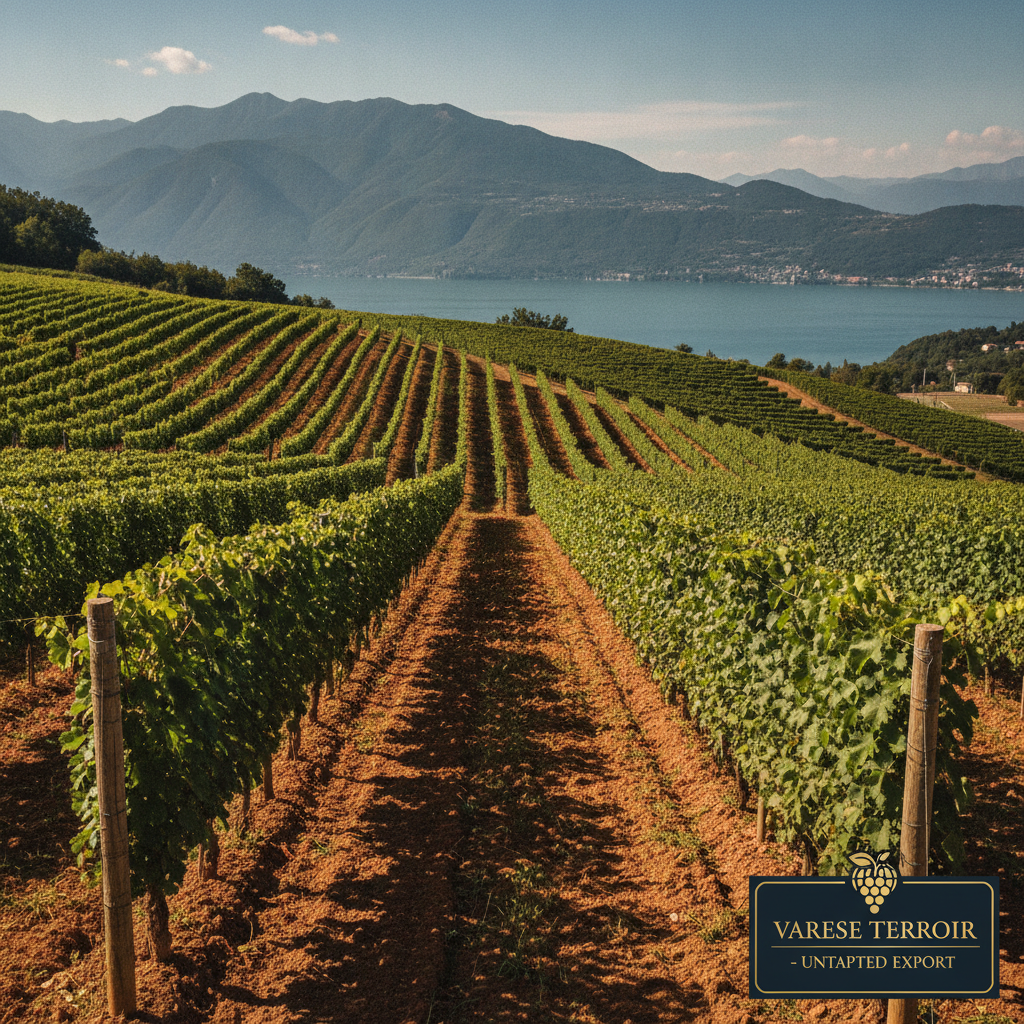
The province of Varese, while not home to the most celebrated DOCG denominations, hosts quality wine production areas. The unique pedoclimatic conditions, influenced by the lakes and the pre-Alps, impart distinctive characteristics to its wines. Local wineries often combine indigenous and international grape varietals, seeking a balance between tradition and innovation to satisfy the most discerning international palates.
The Varese wine landscape includes various entities, some already active in export or with strong potential to do so. These wineries, of different sizes, share the ambition to bring their products beyond national borders, tackling the challenges of global trade with determination.
What Are International Buyers Looking For?
International buyers seek not only quality wines but also reliable and well-prepared partners. The winery's presentation, clarity of technical information, and regulatory compliance are fundamental elements for building trust and facilitating commercial negotiations.
What Presentation Materials Are Essential for International Buyers?
Before initiating negotiations, wineries must have promotional and technical materials available in English. This includes detailed wine technical sheets, a company presentation that narrates its history and philosophy, a clear price list with Incoterms (e.g., FCA, FOB), and high-resolution professional images.
How to Ensure Label Compliance in Foreign Markets?
It is crucial to verify label compliance with the specific regulatory requirements of the destination country, such as those of the TTB for the United States. A non-compliant label can lead to shipment holds or require costly modifications, delaying market entry.
What Are Buyer Expectations Regarding Order Quantities and Formats?
International buyers, especially distributors, often operate with significant volumes. Therefore, it is important to clearly define the Minimum Order Quantity (MOQ) and the available bottle formats. For smaller wineries, collaboration with other local producers or participation in dedicated platforms can help achieve consistent order volumes.
How Do References and Awards Influence Buyer Decisions?
The presence in other export markets or recognition from international wine guides and authoritative critics are strong reassurance factors for importers. These attest to the wine's quality and reputation, facilitating negotiations and market penetration.
What is the Operational Process for Wine Export?
Wine export involves several phases, each with its own documentation and operational specifics. Careful management is fundamental for success.
How to Qualify an International Buyer Before Initiating Negotiations?
A buyer qualification phase is indispensable, verifying their financial solvency, business registration, alcohol import licenses, and trade or bank references. A preliminary credit risk assessment, possibly supported by credit insurance, can prevent insolvencies.
What Are the Key Documents for an International Wine Shipment?
Each shipment requires essential documents for transport, customs clearance, and regulatory compliance. Among the most common: Commercial Invoice (with product description, quantity, value, Incoterm, HS code), Packing List (details of packages, weight, volume), Certificate of Origin, and Insurance Policy/Certificate (if applicable or chosen).
Where to Find Updated Information on Documents Required for Each Country?
The exact list of documents varies from country to country. It is essential to verify the updated document list with your freight forwarder or through ICE (Italian Trade Agency) country guides before each shipment to a new market.
The Role of Wines Export for Varese Wineries
Wines Export positions itself as a strategic partner for Varese wineries intending to enter the international market. Our B2B service simplifies the complex export process, connecting Italian producers with qualified buyers and importers in numerous countries.
The presence of Varese wineries in our network demonstrates the vitality and potential of this territory. Through our platform, wineries gain access to market analysis, documentation support, identification of qualified buyers, and logistics management, optimizing flows from negotiation to delivery.
Frequently Asked Questions
What are the main requirements for exporting Italian wine abroad?
The main requirements include having promotional materials in English, ensuring label compliance with the destination country's regulations, and clearly defining the Minimum Order Quantity (MOQ) and available bottle formats.
How can I verify the financial solvency of a potential foreign buyer?
Verification can be done by requesting trade or bank references, using credit check services, or taking out credit insurance policies, such as those offered by SACE.