A Guide to Exporting Wine from Verbano-Cusio-Ossola for Wineries and Producers
Wineries in Verbano-Cusio-Ossola, while operating in a niche context, possess untapped potential for exporting unique and typical wines. This article serves as an essential guide for local wine producers looking to enter international markets, providing a comprehensive overview of the fundamental aspects for successful export. The objective is to transform challenges into concrete opportunities, bringing the excellence of the region to global tables through meticulous preparation and a solid understanding of export processes. Read more: Federdoc — Italian Confederation of Consortia for the Protection of Italian Wine Denominations.
What Makes Verbano-Cusio-Ossola Wine Unique for Export?
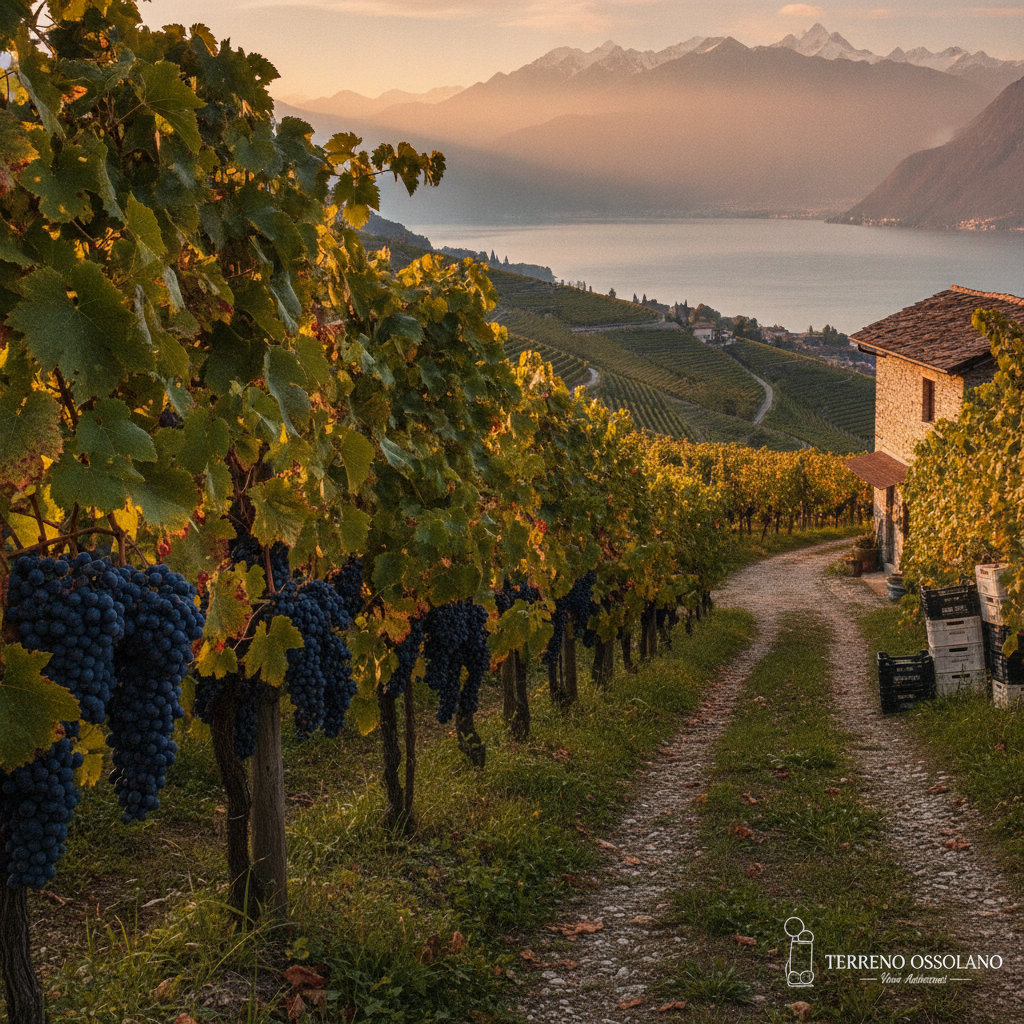
The province of Verbano-Cusio-Ossola, with its diverse landscape of lakes and alpine peaks, boasts a niche viticultural production characterized by native grape varietals and a strong connection to its territory. This uniqueness and authenticity are key differentiating factors that attract foreign importers and consumers seeking distinctive products capable of telling a specific story and highlighting a particular terroir, setting them apart from the competition of more established brands.
Local wineries face typical challenges for SMEs, such as resource optimization and the complexity of international regulations. However, the intrinsic quality of their wines and the uniqueness of the territory represent a significant competitive advantage in foreign markets, allowing them to enhance regionality and authenticity.
What Documents are Essential for Exporting Wine from Italy?
Wine export requires meticulous preparation from a documentation standpoint. There are fundamental documents that every winery must have ready to initiate an export operation, regardless of the destination market, ensuring the smooth flow of customs and commercial transactions.
Universal Documents for Wine Export
First and foremost, it is crucial to have EORI (Economic Operators Registration and Identification) registration. This number is mandatory for any customs operation outside the European Union and uniquely identifies the economic operator. It is requested free of charge through the Italian Customs Agency, and its absence can lead to the blockage of goods at customs.
A proforma invoice anticipates the terms of the order before final confirmation, useful for preliminary negotiations and sometimes requested by the buyer for import licenses or credit lines. The Commercial Invoice is mandatory and details the product description, quantity, value, delivery term (Incoterm), and HS code. Customs authorities use it to calculate duties and taxes.
The packing list describes the physical contents of each package (number, type, weight, volume) and must match the invoice. Depending on agreements, a cargo insurance policy/certificate may be required.
How to Adapt Documentation to Specific Markets?
The exact combination of required documents varies from market to market. Before the first shipment to a new country, it is essential to verify the updated document checklist with your shipping agent or through country-specific guides, such as those provided by the ICE Agency.
For non-EU countries, an Certificate of Origin, attesting to the country of production, and a Wine Analysis Certificate, detailing its chemical-physical characteristics, may be required. It is vital to verify specific labeling requirements, including any health warnings or local compliance marks. The winery must agree with the importer on the content of local label stickers and request written confirmation of any health warnings or specific markings required for the sales channel.
What are the Most Promising Markets for Niche Italian Wine?
Wineries in Verbano-Cusio-Ossola, with their niche production, can find fertile ground in markets that appreciate authenticity, history, and the distinctiveness of Italian wine products.
Potential Markets and Approach Strategies
Wineries in Verbano-Cusio-Ossola can focus on markets of interest based on trends in the export of quality Italian wines. European countries like Germany, Switzerland, and Austria, as well as emerging markets such as Poland and the Czech Republic, show a growing demand for authentic Italian wines.
North America (USA and Canada) is a vast market with consumers interested in wines of controlled origin and with a story to tell. Dedicated platforms and logistics-commercial hubs for Italian wine in the USA can facilitate access for smaller wineries. It is important to verify label compatibility with TTB (Alcohol and Tobacco Tax and Trade Bureau) requirements in the USA before making contact.
In Asia, markets like China, Japan, and South Korea show increasing interest in European wines, although they require a targeted approach and a deep understanding of local cultural and market dynamics.
What to Prepare Before First Contact with a Foreign Buyer?
Before initiating negotiations with potential foreign buyers, it is essential to prepare a set of materials in English (or the language of the destination market). These include:
- Wine specification sheets.
- Winery presentation, emphasizing history, territory, and native grape varietals.
- Price list in FCA (Free Carrier) or FOB (Free On Board) terms.
- High-resolution images of labels and, if possible, of the territory or winery.
- Clear information on MOQ (Minimum Order Quantity), available formats, and production/bottling times.
- Any awards, guide scores, or presence in other export markets that can serve as references.
Frequently Asked Questions About Wine Export
What are the customs requirements for exporting wine outside the EU?
To export wine outside the European Union, it is mandatory to have EORI (Economic Operators Registration and Identification) registration. This number identifies the economic operator in customs operations and is issued free of charge through the Italian Customs Agency.
What documents are essential for an international wine shipment?
Essential documents include the commercial invoice, packing list, and, depending on the market, the certificate of origin and wine analysis certificate. EORI registration is fundamental for extra-EU shipments.
How can I verify the specific requirements of a foreign market for wine?
It is essential to verify the updated document list with your shipping agent or consult country-specific guides provided by entities like the ICE Agency, which offer detailed information on import and labeling requirements.
Wine export represents a fundamental strategic lever for the growth and sustainability of wineries in Verbano-Cusio-Ossola. Accurate preparation, a solid understanding of the necessary documentation, and careful selection of destination markets can transform challenges into concrete opportunities. Wineries from this region have the potential to offer the world unique wines, expressing a distinctive terroir.