Langhe Nebbiolo DOC: Everything You Need to Know to Buy and Understand It
Redacción de Wines Export · Última actualización:
Langhe Nebbiolo DOC offers a strategic opportunity for Italian wineries aiming for export, combining versatility, aging potential, and a strong territorial link. Established in 1994, this wine is positioned as a secondary designation, capable of accommodating Nebbiolo grapes intended for prestigious wines like Barolo and Barbaresco, while also expressing its own valuable identity. This article analyzes the production regulations, distinctive characteristics, and the interest of foreign buyers, providing a comprehensive guide for companies wishing to expand their presence in international markets.
The Production Regulations: Foundation of Quality and Identity
What does the production regulation guarantee for Langhe Nebbiolo?
The production regulation is the pillar that guarantees the authenticity and quality of a designation. It includes fundamental elements such as the name of the designation, a detailed description of the wine (analytical and organoleptic characteristics), specific winemaking practices and their restrictions, the delimitation of the geographical area, and maximum yields per hectare.
What are the recent changes to the Langhe Nebbiolo regulations?
Recent changes aim to further enhance the grape variety and respond to market needs. A significant innovation is the possibility to indicate on the label sparkling wine made from Nebbiolo grapes, which is strategic for producers who do not qualify for Alta Langa but believe in the potential of Nebbiolo for Metodo Classico sparkling wines. The Langhe Nebbiolo designation, covering a wider territory, thus offers a new opportunity for the production of Nebbiolo-based sparkling wines, either single-varietal or blended.
Can Langhe Nebbiolo compete with Alta Langa?
Langhe Nebbiolo possesses intrinsic characteristics different from Pinot Noir, the main grape of Alta Langa, making the two wines difficult to confuse. The regulation provides for a minimum aging of 24 months on lees, orienting towards high quality and discouraging speculation, rather than creating direct competition.
What other innovations have been introduced in the regulations?
Another relevant change concerns the possibility of using the term 'rosé' for pink Nebbiolo, adopting a usage increasingly common in consumer language. These innovations demonstrate a willingness of the regulations to adapt to market dynamics, while maintaining a focus on quality and territorial identity.
Characteristics of Langhe Nebbiolo: Versatility and Aging Potential
What are the distinctive characteristics of Langhe Nebbiolo?
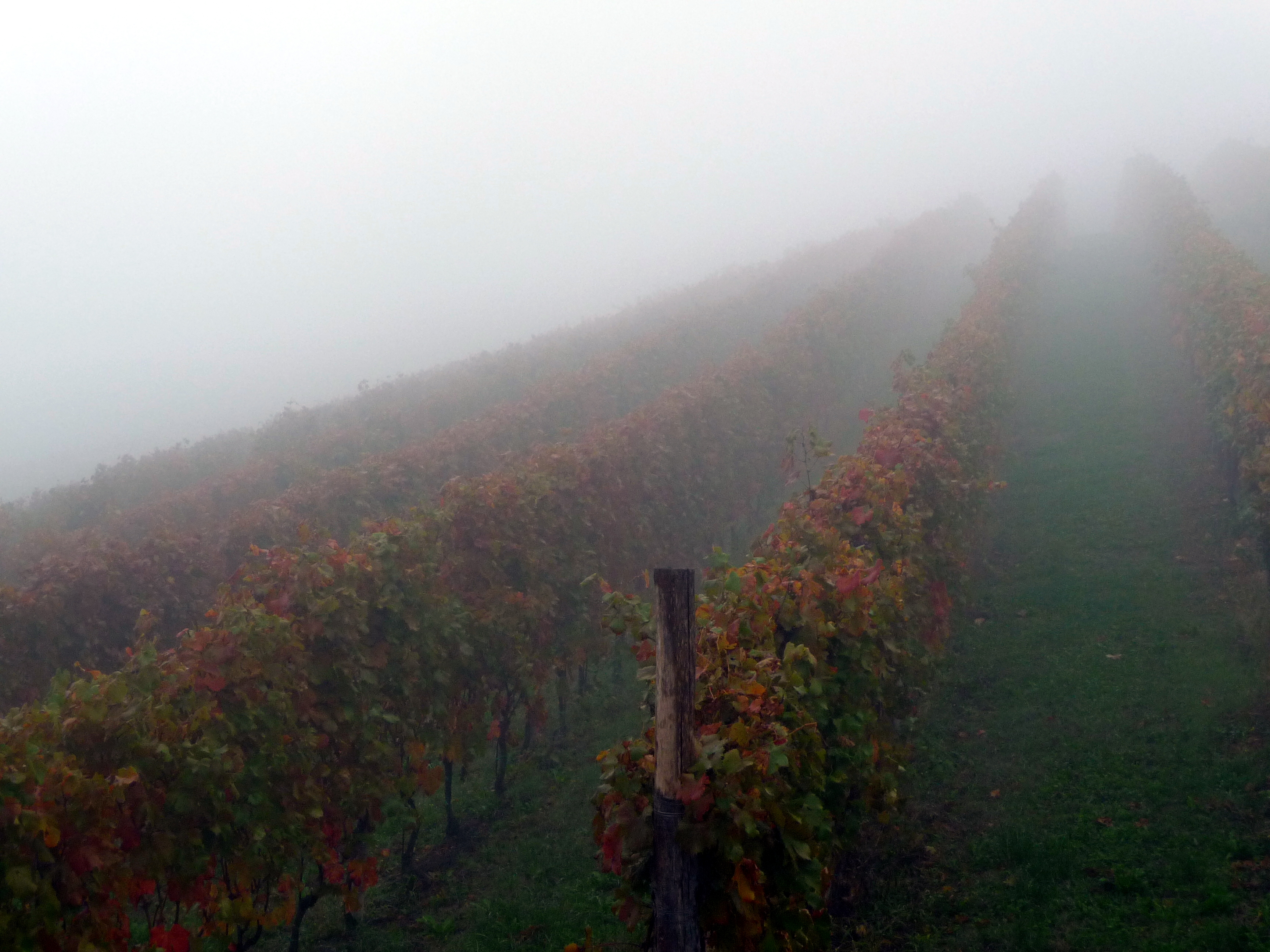
Langhe Nebbiolo, despite being a secondary designation, can express an identity of great value. Nebbiolo grapes, hand-picked in October, are often vinified with spontaneous fermentation and macerations of about 20 days, followed by aging in large barrels for about a year. Aging can then continue for about six months in the bottle.
Is Langhe Nebbiolo a wine for early drinking or for aging?
Langhe Nebbiolo can also be appreciated at a young age, sometimes as early as six months after its release. However, it reaches its peak after several years of aging in its best expressions, demonstrating remarkable evolutionary potential that makes it interesting for foreign markets.
What is the territorial extension of the Langhe Nebbiolo designation?
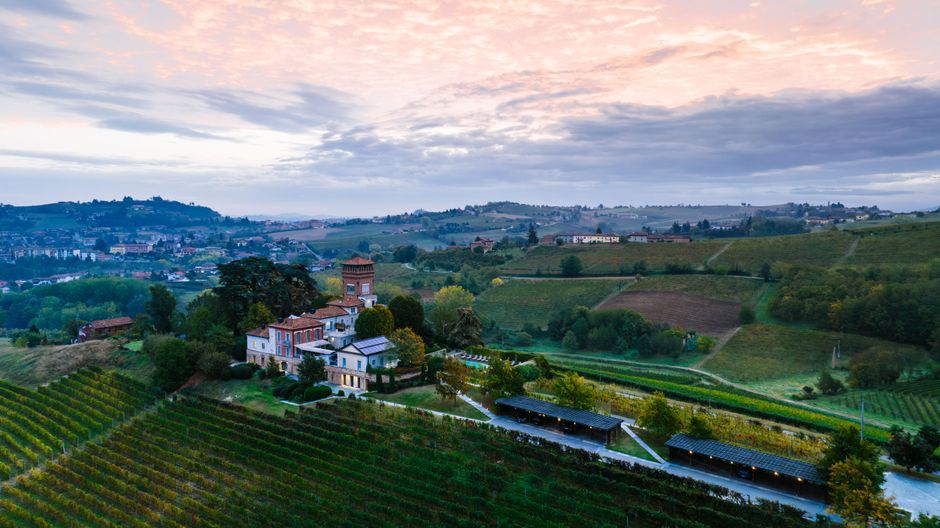
The Langhe Nebbiolo designation encompasses an extensive territory, including the municipalities of Barolo, Barbaresco, Alba, and Roero. This vast area allows for a diversity of Nebbiolo expressions, influenced by the specificities of individual vineyards and the choices of producers.
Can Langhe Nebbiolo achieve high quality levels?
Yes, Langhe Nebbiolo can be an absolutely outstanding wine. Producers like Giuseppe Rinaldi have historically used grapes from MGA (Menzione Geografica Aggiuntiva) for their Langhe Nebbiolo. The Tre Bicchieri recognition from the Gambero Rosso 2026 Guide for Giovanni Rosso confirms that, when born from a great vineyard and a coherent vision, Langhe Nebbiolo can tell the story of the grape with its own voice.
What Foreign Buyers Look for in Langhe Nebbiolo
Why are foreign buyers interested in Langhe Nebbiolo?
Foreign buyers seek wines that offer excellent value for money, a clear territorial identity, and appreciation potential over time. Langhe Nebbiolo meets these needs thanks to its versatility and its link to the reputation of the Langhe, offering a more accessible entry point compared to Barolo or Barbaresco.
What is the added value of Langhe Nebbiolo for international markets?
The designation is intrinsically linked to the Langhe territory, a UNESCO World Heritage site. Buyers appreciate the opportunity to offer their customers a wine that carries the history and reputation of this region, but at a more accessible price.
How is Langhe Nebbiolo positioned in terms of market flexibility?
Langhe Nebbiolo's ability to be appreciated both in its youth and after years of aging makes it a flexible product. The recent introduction of the possibility of producing Nebbiolo-based sparkling wines further opens doors to new consumer segments and consumption occasions.
What is the economic advantage of Langhe Nebbiolo for importers?
Compared to flagship wines like Barolo and Barbaresco, Langhe Nebbiolo offers a more affordable entry point to explore the qualities of Nebbiolo. This makes it particularly attractive for emerging markets or for importers who wish to build a diversified portfolio of Piedmontese wines.
How do the regulatory innovations attract buyers?
The changes to the regulations, such as the introduction of the 'rosé' designation and the possibility of labeling sparkling wines, demonstrate the Consortium's ability to adapt to market trends without compromising quality. This combination of tradition and innovation is highly appreciated by international buyers.
Wines Export and the Territory: The Wines Export consortium includes producers operating in the Langhe region, with a particular focus on designations that enhance the Nebbiolo grape.
Frequently Asked Questions
What are the main innovations introduced in the Langhe Nebbiolo regulations for foreign markets?
Recent changes allow for the indication of sparkling wine made from Nebbiolo grapes, even in blends, and the adoption of the 'rosé' designation for pink Nebbiolo, thus responding to new market and consumption needs.
How does Langhe Nebbiolo differ from Alta Langa and what is its aging potential?
Langhe Nebbiolo has intrinsic characteristics different from Alta Langa's Pinot Noir, and its regulations provide for a minimum aging of 24 months on lees, orienting towards high quality and evolutionary potential that makes it interesting for aging.
Why do foreign buyers consider Langhe Nebbiolo a strategic opportunity compared to Barolo and Barbaresco?
Foreign buyers see in Langhe Nebbiolo an excellent relationship between quality and price, and a clear territorial identity, offering a more accessible entry point to explore the qualities of Nebbiolo and the reputation of the Langhe.