Langhe Nebbiolo DOC: Everything You Need to Know for Purchasing and Understanding
Wines Export Editorial · Last updated:
Langhe Nebbiolo DOC presents a strategic opportunity for Italian wineries targeting export markets, by combining versatility, aging potential, and a strong territorial connection. Established in 1994, this wine stands as a "denominazione di ricaduta" (a secondary designation), capable of encompassing Nebbiolo grapes destined for prestigious wines like Barolo and Barbaresco, while also expressing its own distinct and valuable identity. This article analyzes the production regulations, distinctive characteristics, and the interest from international buyers, offering a comprehensive guide for companies looking to expand their presence in global markets.
The Production Regulations: The Foundation of Quality and Identity
What does the production regulation guarantee for Langhe Nebbiolo?
The production regulation serves as the bedrock ensuring the authenticity and quality of a wine designation. It encompasses fundamental elements such as the designation's name, a detailed description of the wine (analytical and organoleptic characteristics), specific winemaking practices and their restrictions, the delimitation of the geographical area, and maximum yields per hectare.
What are the recent amendments to the Langhe Nebbiolo regulation?
Recent amendments aim to further enhance the value of the grape variety and respond to market demands. A significant innovation is the possibility of labeling Nebbiolo-based sparkling wine, a strategic move for producers who may not qualify for Alta Langa but believe in Nebbiolo's potential for classic method sparkling wines. The broader Langhe Nebbiolo designation, covering a more extensive territory, thus offers a new avenue for producing Nebbiolo-based sparklers, whether in purity or in blends.
Can Langhe Nebbiolo compete with Alta Langa?
Langhe Nebbiolo possesses intrinsic characteristics distinct from Pinot Noir, the primary grape of Alta Langa, making the two wines difficult to confuse. The regulation stipulates a minimum aging period of 24 months on lees, emphasizing high quality and discouraging speculation rather than creating direct competition.
What other innovations have been introduced into the regulation?
Another relevant modification concerns the allowance of the 'rosé' designation for Nebbiolo rosato, acknowledging an increasingly widespread usage in consumer language. These innovations demonstrate the regulation's adaptability to market dynamics while maintaining a focus on quality and territorial identity.
Characteristics of Langhe Nebbiolo: Versatility and Aging Potential
What are the distinctive characteristics of Langhe Nebbiolo?
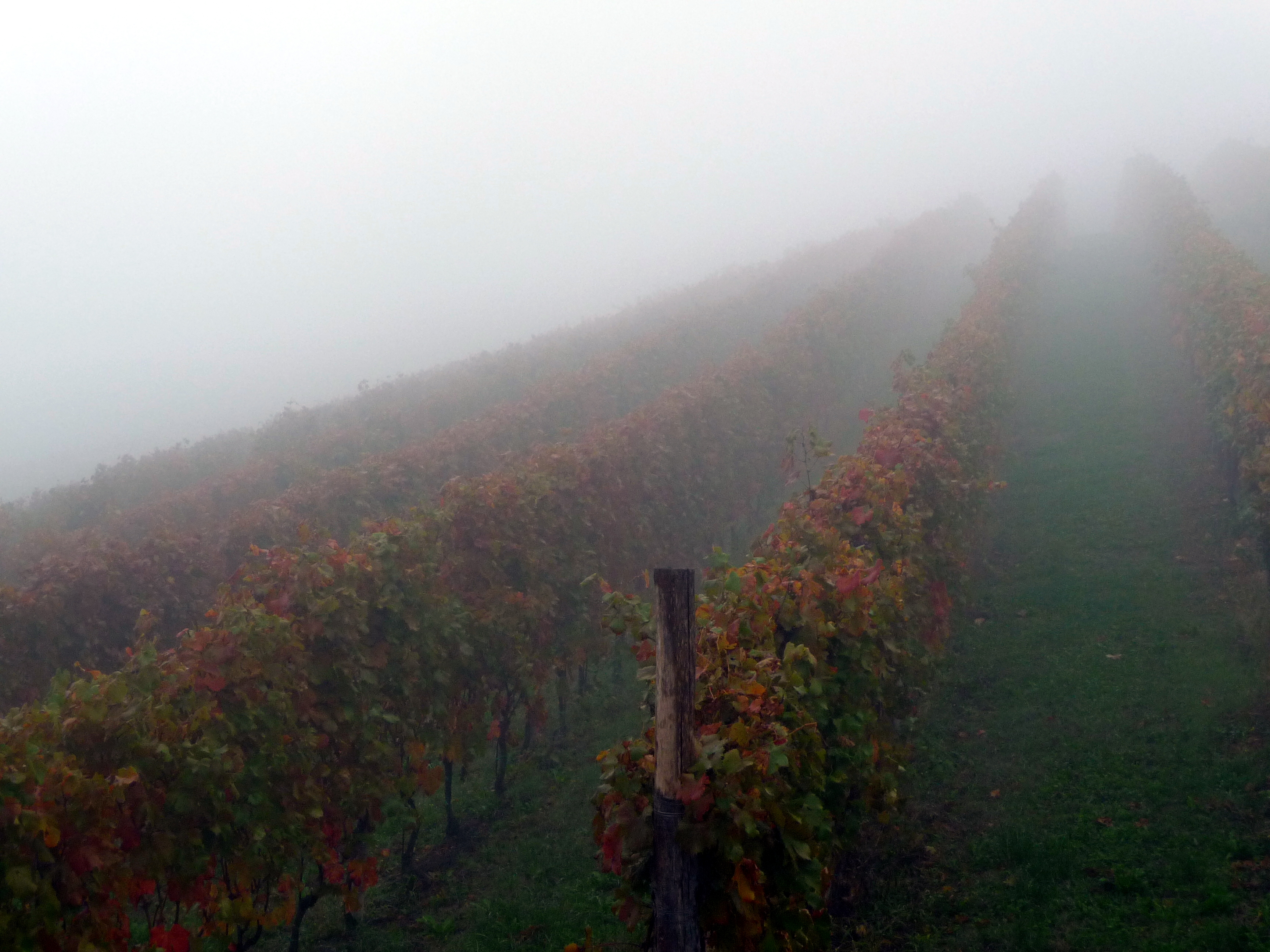
Despite being a secondary designation, Langhe Nebbiolo can express a highly valuable identity. Nebbiolo grapes, hand-harvested in October, are often vinified with spontaneous fermentation and macerations lasting approximately 20 days, followed by maturation in large barrels for about a year. Further aging can then continue for approximately six months in the bottle.
Is Langhe Nebbiolo a wine for early consumption or aging?
Langhe Nebbiolo can be appreciated from a young age, sometimes as early as six months after release. However, it reaches its peak after several years of aging in its finest expressions, showcasing significant evolutive potential that makes it appealing to international markets.
What is the territorial extent of the Langhe Nebbiolo designation?
The Langhe Nebbiolo designation encompasses an extensive territory, including the municipalities of Barolo, Barbaresco, Alba, and Roero. This vast area allows for a diversity of Nebbiolo expressions, influenced by the specificities of individual vineyards and the producers' choices.
Can Langhe Nebbiolo achieve high-quality levels?
Yes, Langhe Nebbiolo can be an absolutely outstanding wine. Producers like Giuseppe Rinaldi have historically utilized grapes from MGA (Menzione Geografica Aggiuntiva - Additional Geographic Mention) for their Langhe Nebbiolo. The Tre Bicchieri award from the Gambero Rosso 2026 Guide for Giovanni Rosso confirms that, when born from a great vineyard and a coherent vision, Langhe Nebbiolo can articulate the grape's character with its own distinct voice.
What International Buyers Look for in Langhe Nebbiolo
Why are international buyers interested in Langhe Nebbiolo?
International buyers seek wines that offer excellent value for money, a clear territorial identity, and the potential for appreciation over time. Langhe Nebbiolo meets these demands due to its versatility and its association with the reputation of the Langhe region, providing a more accessible entry point compared to Barolo or Barbaresco.
What is the added value of Langhe Nebbiolo for international markets?
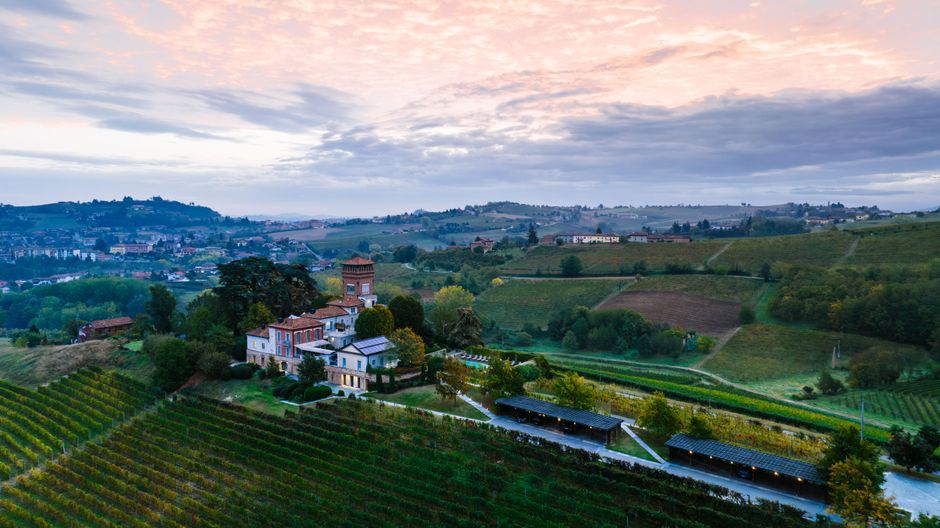
The designation is intrinsically linked to the Langhe territory, a UNESCO World Heritage site. Buyers appreciate the opportunity to offer their customers a wine that carries the history and reputation of this region, but at a more accessible price point.
How does Langhe Nebbiolo position itself in terms of market flexibility?
Langhe Nebbiolo's ability to be enjoyed both in its youth and after years of aging makes it a flexible product. The recent introduction of the possibility to produce Nebbiolo-based sparkling wines further opens doors to new consumer segments and occasions for consumption.
What is the economic advantage of Langhe Nebbiolo for importers?
Compared to flagship wines like Barolo and Barbaresco, Langhe Nebbiolo offers a more economical entry point to explore the qualities of Nebbiolo. This makes it particularly attractive for emerging markets or for importers looking to build a diverse portfolio of Piedmontese wines.
How do regulation innovations attract buyers?
The modifications to the regulation, such as the introduction of the 'rosé' designation and the allowance of labeling sparkling wines, demonstrate the Consortium's adaptability to market trends without compromising quality. This blend of tradition and innovation is highly valued by international buyers.
Wines Export and the Territory: The Wines Export network of wineries includes producers operating in the Langhe region, with a particular focus on designations that highlight the Nebbiolo grape variety.
Frequently Asked Questions
What are the main innovations introduced in the Langhe Nebbiolo regulation for international markets?
Recent amendments permit labeling Nebbiolo-based sparkling wine, even in blends, and adopting the 'rosé' designation for Nebbiolo rosato, thus responding to new market and consumption demands.
How does Langhe Nebbiolo differ from Alta Langa, and what is its aging potential?
Langhe Nebbiolo possesses intrinsic characteristics distinct from Alta Langa's Pinot Noir, and its regulation mandates a minimum aging of 24 months on lees, orienting towards high quality and evolutive potential that makes it interesting for aging.
Why do international buyers consider Langhe Nebbiolo a strategic opportunity compared to Barolo and Barbaresco?
International buyers see Langhe Nebbiolo as offering excellent value for money and a clear territorial identity, providing a more accessible entry point to explore Nebbiolo's qualities and the reputation of the Langhe.