Piedmontese Wine: A Comprehensive Guide for Foreign Importers and Buyers
Piedmont offers an enological heritage of excellence, with wines that conquer international markets thanks to their quality and authenticity. For foreign buyers and importers, navigating this sector means understanding unique appellations, specific regulations, and the most effective market strategies. This guide is designed to provide a comprehensive overview, focusing on essential aspects for successful importation and for best leveraging the potential of Piedmontese wines on the global stage. In-depth information: Federdoc — Italian Wine Appellations National Confederation.
What are the main appellations and characteristics of Piedmontese wines?
Piedmont boasts a rich mosaic of DOCG and DOC appellations, representing qualitative excellence and the expression of the terroir. Among the most prestigious are structured and long-lived reds like Barolo and Barbaresco, produced exclusively with Nebbiolo grapes, known for their complexity and aging potential.
In-depth Look at Appellations
Equally significant are the DOCG Barbera d'Asti and DOC Barbera d'Alba, which offer wines with a more fruity and accessible character, boasting pleasant acidity. Dolcetto, with its various provincial variations, offers young and easy-drinking wines.
Piedmont also excels in white wines. Asti Spumante and Moscato d'Asti, sweet and aromatic, are perfect for the end of the meal. Gavi, obtained from the Cortese grape variety, is a dry, fresh, and mineral white wine, ideal for fish dishes. The region's diverse climate and soil create unique nuances, offering a wide range of choices for every market need.
What do foreign buyers look for in Piedmontese wine?
Foreign buyers and importers, in addition to intrinsic quality, seek authenticity, reliability, and regulatory compliance. The ability to tell a territorial story, consistent quality year after year, and preparedness with documentation are crucial factors for establishing profitable and lasting business relationships.
1. Authenticity and Territorial Storytelling
The international market is increasingly attracted to products that tell a story. Piedmontese wines, with their deep connection to the land, family traditions, and passed-down winemaking techniques, possess enormous narrative potential. Buyers appreciate wineries that communicate the uniqueness of their terroir and their production philosophy. A dossier on the history of the winery and the territory is an effective marketing tool, especially in markets like Australia.
2. Consistent Quality and Reliability
Supply reliability and consistent quality are fundamental pillars for any importer. Buyers look for commercial partners who guarantee product excellence, punctual deliveries, and transparent processes. Managing export negotiations, from the proforma invoice to the negotiation of payment terms and Incoterms, requires precision and clarity to build a relationship of trust.
3. Regulatory and Documentary Compliance
Each foreign market has specific regulatory and documentary requirements for importing alcoholic beverages. Buyers expect producers to be informed about these regulations, which may include certificates of analysis, certificates of origin, and specific labeling. For export to Brazil, for instance, the buyer needs an active SIPEAGRO registration and certificates of analysis and typicity issued by accredited laboratories. Advance preparation of all documentation, avoiding abbreviations in product names, is essential to prevent rejections.
4. Market Potential and Positioning
Buyers carefully evaluate the market potential of the wines offered and their positioning against the competition. Understanding the market segment the winery targets (e.g., premium HORECA, mass retail, e-commerce) and the partner's ability to reach that target is essential. The choice of distribution channel in a complex market like Brazil can be made through a registered importer, a sales agent, or by establishing one's own import structure.
Wines Export and the Piedmontese Territory
Wines Export actively collaborates with dozens of Piedmontese wineries looking to expand their presence in international markets. This pool of producers represents regional excellence, with a strong export orientation and a deep understanding of global commercial dynamics.
The Network of Producers and Buyers
The wineries participating in our service cover a wide range of appellations and styles, from the great reds of the Langhe to the aromatic whites of Astigiano. Our network of foreign buyers and importers is constantly updated on new releases and the best expressions of Piedmontese wine, facilitating targeted and profitable B2B meetings. Our expertise supports wineries in navigating the bureaucratic, logistical, and commercial complexities of export.
The Structure of the Piedmontese Market: Municipalities and Provinces
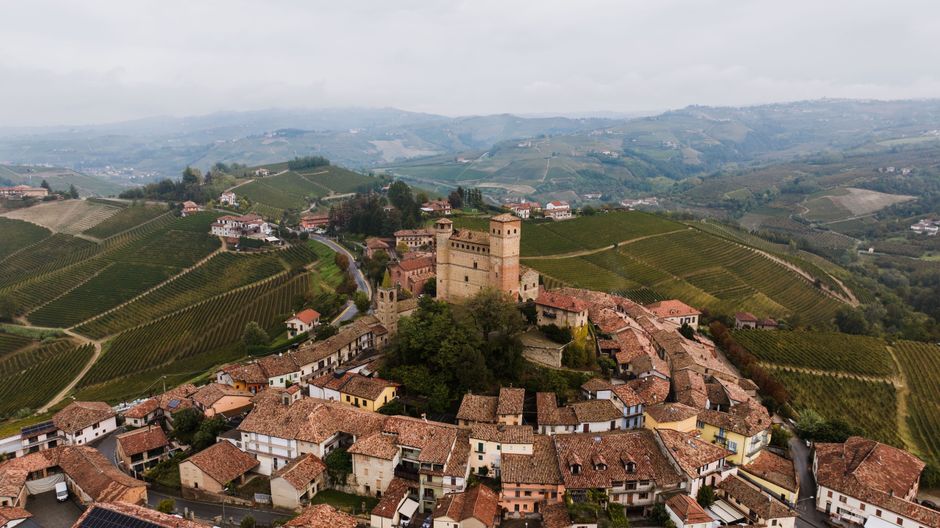
Piedmont, with its rich history and territorial extent, has an administrative structure that reflects its diversity. As of February 21, 2026, the region comprises 1179 municipalities, distributed across 8 provincial entities (including metropolitan cities). This administrative fragmentation underscores the depth and variety of the wine micro-regions that make up the Piedmontese landscape.
Opportunities for Importers
For importers, this territorial richness translates into an opportunity to diversify their portfolio with labels offering different nuances and stories, capable of attracting discerning customer segments seeking authenticity.
Conclusions and Next Steps for Export
Piedmontese wine represents a prime market opportunity for foreign buyers and importers. The combination of prestigious appellations, a rich and diverse enological heritage, and a strong territorial identity makes it a desirable and sought-after product globally.
For Piedmontese wineries aiming for export, a strategic approach is essential, taking into account the needs of international markets, regulatory compliance, and the ability to effectively communicate the value of their products.
For foreign buyers and importers, Wines Export acts as an ideal partner to navigate the Piedmontese market, identify producers best suited to their needs, and build solid and lasting business relationships.
Frequently Asked Questions
What are the most sought-after Piedmontese wines abroad?
The most sought-after Piedmontese wines abroad include structured and long-lived reds like Barolo and Barbaresco, known for their complexity and aging potential. Barbera d'Asti and d'Alba, with their fruity and accessible character, and white wines such as Asti Spumante, Moscato d'Asti, and Gavi, also enjoy strong international demand.
What specific regulations must I consider for importing wine from Piedmont into Brazil?
For export to Brazil, the importer must have an active SIPEAGRO registration. Furthermore, certificates of analysis and typicity must be issued by accredited laboratories. It is crucial to prepare all required documentation in advance, avoiding abbreviations in the product name to prevent rejections.
How can I assess the market potential of a Piedmontese wine in my country?
To assess market potential, it is important to consider the segment the winery targets (e.g., premium HORECA, mass retail, e-commerce) and its ability to reach that target. Analyzing positioning against local competition and understanding the dynamics of distribution channels in your target market are essential steps.
If you are interested in discovering opportunities for importing Piedmontese wines or wish to delve deeper into export strategies for wineries in the region, we invite you to contact us for personalized consultation.