Aulente Grape Variety: Origins, Characteristics, and Market Opportunities
The Aulente grape variety, with its Armenian origins and millennia-old history, represents an interesting opportunity for Italian wineries aiming for export. Its ampelographic peculiarities, specific cultivation needs, and enological versatility make it a promising candidate for conquering new markets. This article explores the characteristics of Aulente in detail, providing a comprehensive guide to understanding its potential and the strategies for successful international valorization. In-depth information: MASAF — National Register of Vine Varieties.
Where does the Aulente grape variety come from, and what are its synonyms?
The Aulente grape variety has its roots in Armenia, with a historical concentration in the Ararat region. Over time, it has acquired several synonyms, including Dolband, Spitak chagog, Messcholj, and Musrali, which bear witness to its diffusion and adaptation in various wine-growing regions.
What are the distinctive ampelographic characteristics of Aulente?
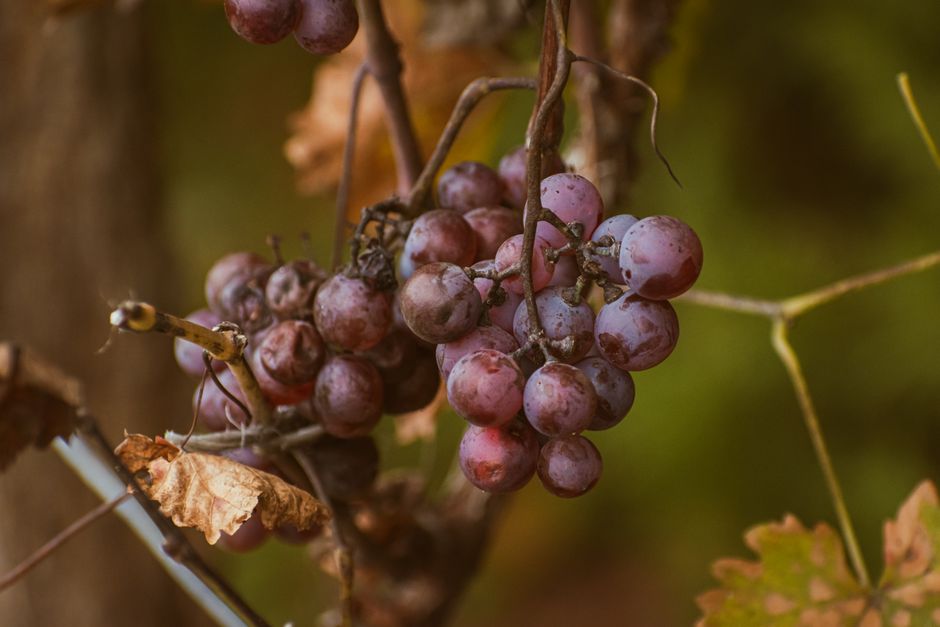
Aulente presents a greenish-yellow bud tip and young woolly, yellow leaves, sometimes tinged with red. The adult leaf is medium-sized, orbicular, with five lobes, and a medium-dark green upper surface, wrinkled and blistered. The shoots are robust, of light or dark cinnamon color, with medium or short internodes. The berry has a very thin, almost transparent skin, and a juicy, firm, non-colored pulp with a sweet taste and varietal aroma.
What are the ideal environmental and cultivation needs for Aulente?
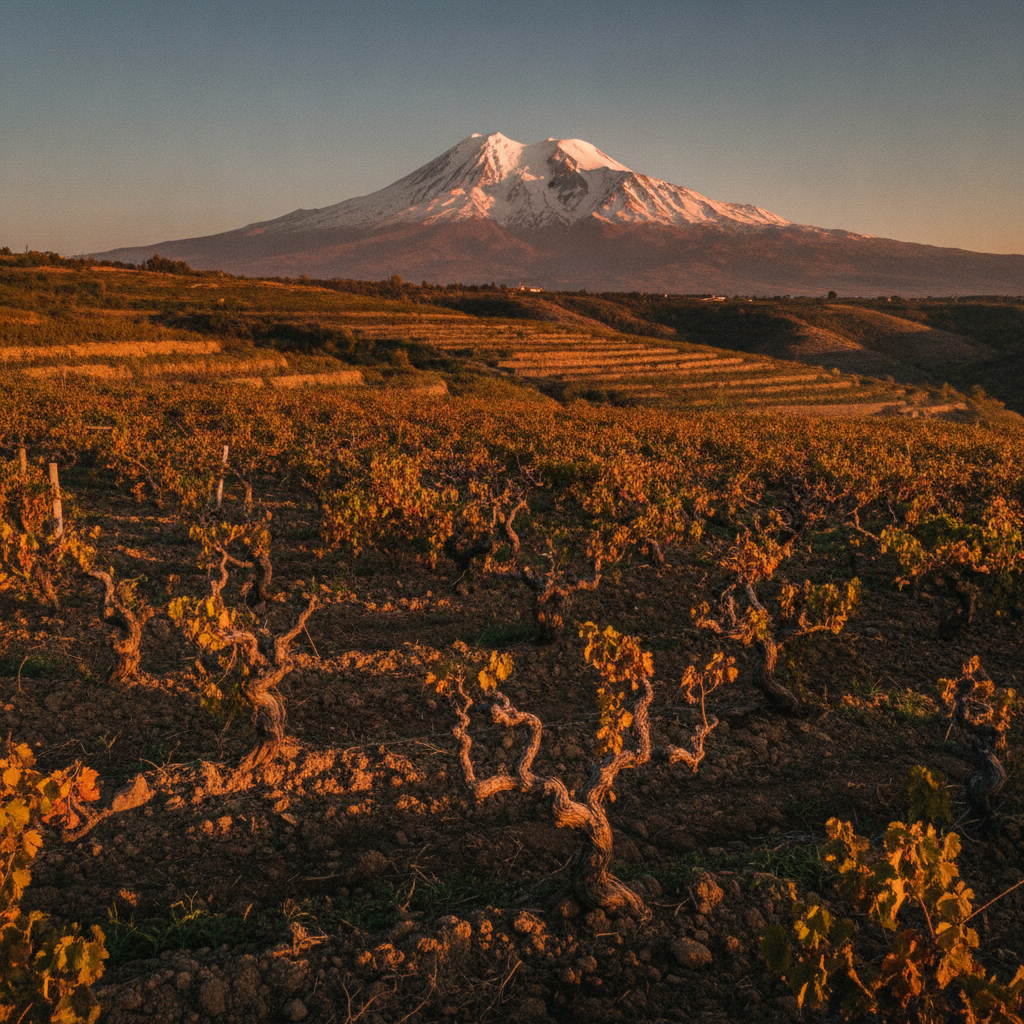
The grape variety prefers cool, fertile, deep, and loose soils, adapting well to humid climates. It thrives in clay-limestone soils and favors sunny exposures. Its robustness makes it resistant to winter frosts and not very susceptible to fungal diseases.
How is Aulente pruned and trained?
Aulente benefits from long pruning and espalier training systems. In fertile and humid soils, it is advisable to moderate excessive vegetative growth. For wines intended for aging, precise vineyard choices and targeted cultivation techniques are crucial.
What is Aulente's sensitivity to diseases and adversities?
One of Aulente's main advantages is its good tolerance to major fungal diseases, including grey mold. This inherent resistance reduces the need for phytosanitary interventions, a positive factor for sustainability and production costs.
What are the characteristics of the must and wine derived from Aulente?
Aulente must shows variable acidity and sugar levels, with readings ranging from 6.2 g/l acidity and 17.5% sugar to 9% acidity and 19% sugar. The wine obtained is generally of light ruby red color, soft, and low in tannins. There are also straw yellow variants, which can be full-bodied, dry, harmonious, velvety, and savory, with varietal aromas. Aulente is also used for dessert or fortified wines and can be vinified in blends.
What is the export potential of the Aulente grape variety?
The export potential of Aulente lies in its uniqueness and ancient history. Receptive markets include countries with strong winemaking traditions and an interest in niche and indigenous wines. Armenia, Russia, Eastern Europe, and the Caucasus countries are areas of potential interest.
What are the key factors for Aulente's export success?
Export success for Aulente is based on: storytelling (narrating its origins and peculiarities), producing high-quality single-varietal wines that enhance its uniqueness, valorizing its enological versatility (dry, dessert, fortified wines), and communicating its disease resistance as a strength for sustainability.
How does Wines Export support wineries in exporting grape varieties like Aulente?
Wines Export includes wineries that cultivate and vinify Aulente, demonstrating a concrete interest in this grape variety. We offer a network of buyers and importers to support Italian wineries in exploring and expanding their Aulente offerings in international markets.