Müller Thurgau: Cultivation, Characteristics, and Opportunities for Italian Wineries
Müller Thurgau, also known as Rivaner, is a grape varietal with significant export potential for Italian wineries, owing to its history, unique characteristics, and international presence. Although not among the most widespread in Italy, its understanding is crucial for those targeting foreign markets where this varietal finds appreciation and fertile ground. This article delves into Müller Thurgau in detail, from its origins to its cultivation and winemaking peculiarities, outlining opportunities for Italian wineries aiming to expand their global footprint. Learn more: MASAF — National Register of Vine Varieties.
What are the Origins and History of Müller Thurgau?
Müller Thurgau is a grape varietal of relatively recent origin, created in 1882 by Hermann Müller in Switzerland, at the Geisenheim research institute in Germany. Initially thought to be a cross between Riesling and Sylvaner, genetic analyses have revealed its parentage to be Madeleine Royale crossed with Riesling.
Its rapid spread in Germany, where it was for decades one of the most cultivated white berry varietals, and its presence in Austria, Switzerland, Alto Adige, the United Kingdom, and New Zealand, attest to its export tradition and current potential in foreign markets.
What are the Ampelographic Characteristics of Müller Thurgau?
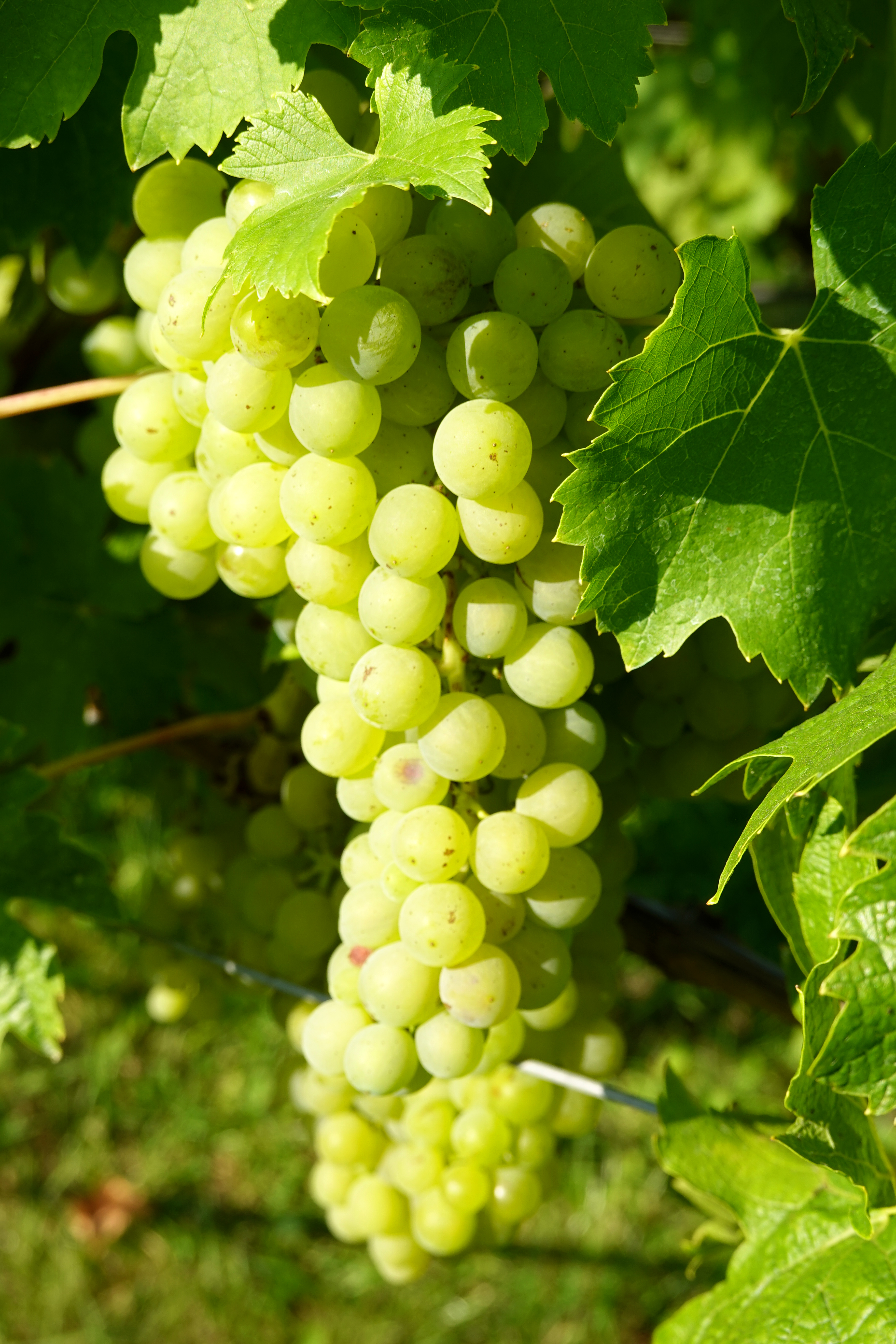
Müller Thurgau exhibits distinctive traits: shoots with woolly tips and young leaves, medium-sized adult leaves that are pentalobed with characteristic sinuses, and medium to large clusters, compact and conical or cylindrical.
The berries are medium to large in size, round or flattened, with thick yet tender skin and a pleasant flavor, lacking pronounced aromatic notes. These physical characteristics are fundamental to understanding its agronomic and qualitative potential.
What are the Environmental and Cultivation Needs of Müller Thurgau?
Müller Thurgau prefers cool, fertile, and deep soils with good drainage, and adapts well to humid climates, although excessively fertile and moist soils can favor excessive vegetative vigor.
It favors mild climates with dry autumns, resists summer drought, and endures winter cold. Trellis training systems are recommended, along with pruning that balances vegetative development, with timely green pruning to ensure adequate shoot lignification.
What is the Sensitivity of Müller Thurgau to Diseases and Adversities?
Müller Thurgau shows variable sensitivity to fungal diseases. Various sources indicate good general tolerance, but some reports highlight susceptibility to downy mildew and powdery mildew. Botrytis can be a problem in rainy autumn years.
Sensitivity to phylloxera has been reported. Dormant shoots can suffer damage from temperatures below -14 °C. Disease management requires monitoring and preventive practices.
What are the Characteristics of Müller Thurgau Must and Wine?
Müller Thurgau must presents variable titratable acidity, generally between 6.2‰ and 9.8‰, and a sugar content that fluctuates between 17.5% and 20.8%.
The resulting wine is typically pale yellow with greenish or yellowish-green reflections. On the palate, it is described as smooth, low in tannins, full-bodied, and slightly acidic, sometimes with a slightly musky taste. The aroma is slightly varietal or intense, and many wines are considered "ready to drink," not suitable for prolonged aging.
What is the Usage and Export Potential of Müller Thurgau?
Müller Thurgau grapes are often vinified in blends with other local varietals, thanks to their high must yield. Historically, it has also been used as table grapes and for dessert or fortified wines, as well as for distillation or grape juice production.
Its export potential lies in its long tradition in Germany and other European countries, and its climatic adaptability. Italian wineries can find opportunities in markets that appreciate versatile white wines with distinctive aromatic profiles, whether as single varietals or in blends.
Frequently Asked Questions
Is Müller Thurgau a grape varietal suitable for cold climates?
Müller Thurgau is resistant to winter cold and adapts to mild climates, but dormant shoots can suffer damage from temperatures below -14 °C.
What are the main export markets for Müller Thurgau?
Müller Thurgau has a long tradition of cultivation and export in Germany, and is also present in Austria, Switzerland, the United Kingdom, and New Zealand.
Is Müller Thurgau a grape varietal that is suitable for aging?
Many wines produced from Müller Thurgau are considered "ready to drink" and are generally not suitable for prolonged aging.
Müller Thurgau represents an interesting opportunity for Italian wineries looking to diversify their offering in international markets. Its history, unique characteristics, and adaptability make it a varietal with growth potential.
For Italian wineries interested in exploring export opportunities for varietals like Müller Thurgau, Wines Export offers consulting and support services to identify the most receptive markets and the most effective commercial strategies.