Primitivo Rosé: Scopri le Sue Qualità e le Opportunità sui Mercati Mondiali
Primitivo rosé is emerging as an interesting niche opportunity for Italian wine exports. These wines, which combine the typical freshness of rosé with the distinctive structure and aromas of the grape, offer a unique and captivating profile for international markets. Understanding their organoleptic characteristics, agronomic peculiarities, and export potential is crucial for Italian wineries aiming to expand their global presence. In-depth analysis: MASAF — Registro Nazionale delle Varietà di Vite.
How does Primitivo present itself when vinified as rosé?
Primitivo, a robust and adaptable grape, prefers light, clayey, or tuffaceous soils and requires sunny exposures. Its vigor guarantees consistent production. Although known for intense reds, its grapes lend themselves magnificently to rosé vinification, yielding wines whose color varies from pale pink to more intense hues.
What are the organoleptic characteristics of Primitivo rosé?
On the nose, these wines express marked freshness and distinct floral aromas. On the palate, they are distinguished by harmony, pleasant persistence, and a good natural balance between acidity and alcohol. The moderate acidity significantly contributes to their drinkability and sensation of freshness.
What are the chemical and regulatory parameters for Primitivo rosé?
Rosé wines from Primitivo must comply with EU regulations. The minimum actual alcoholic strength is 9.0% vol. Before fermentation, the must has a sugar content between 21° and 28° Brix, an acidity between 4.5-7.5 g/l, and a pH of 3.3-3.4.

What is the export potential for Primitivo rosé?
Primitivo rosé represents a growing niche opportunity for Italian exports. Its distinctive aromatic profile, combined with freshness and captivating color, makes it attractive to various foreign markets, offering an interesting alternative to more conventional rosés.
Which foreign markets show interest in Primitivo rosé?
Europe, particularly Germany, the United Kingdom, and the Scandinavian markets, shows growing interest in quality rosés. In the United States, a vast and diversified market, rosés already have a solid consumer base. Emerging markets such as China, Australia, New Zealand, and South America (Brazil, Ecuador) are developing curiosity towards innovative Italian wines.
What factors are crucial for the success of Primitivo rosé abroad?
Consistent quality is fundamental for building a solid reputation. Storytelling, which narrates the grape's origins and winemaking techniques, adds value. Emphasizing versatility in pairings with international cuisines is another important strength for export.
What dishes does Primitivo rosé pair well with?
Its versatility makes it ideal for first courses with fish, white meats, or vegetables. It also pairs splendidly with white meats (chicken, turkey), more structured fish, and light red meats. It is also excellent as an aperitif or to accompany appetizers, medium-aged cheeses, and cured meats.
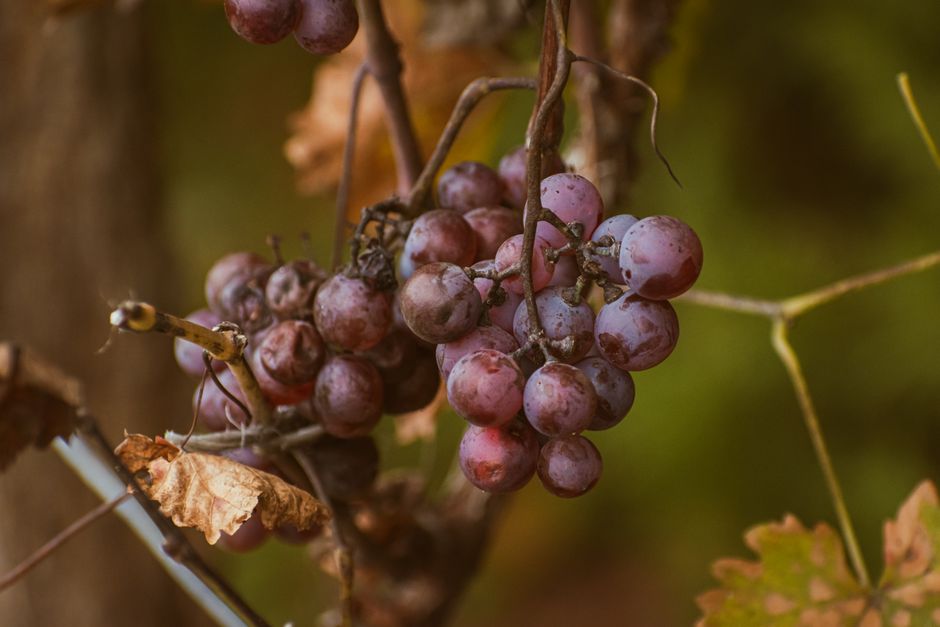
How is Primitivo enhanced in oenology for rosé production?
Primitivo, known for its good alcoholic content and structure, is increasingly valued for the production of fine rosés. Its ability to produce wines with a good natural balance between acidity and alcohol, combined with complex aromatic notes, makes it an excellent candidate for rosés intended for export.
Does Wines Export support the export of Primitivo rosé?
Wines Export collaborates with Italian wineries interested in exploring or expanding the production and export of rosé wines from indigenous grapes, including Primitivo. The presence of specialized wineries or those interested in diversifying their offerings makes Wines Export a reliable partner for these promising wines.
Frequently Asked Questions
What are the typical aromatic characteristics of Primitivo rosé?
Primitivo rosé typically presents floral aromas