Refosco: An Italian Grape Variety Ready to Conquer Foreign Markets
Refosco, a native grape variety from Friuli-Venezia Giulia, offers a unique opportunity for Italian wineries aiming for export. Its distinctive characteristics, combined with a centuries-old history, make it an attractive option for foreign buyers seeking authenticity and territoriality. This article explores Refosco's peculiarities, from its ampelography to its enological potential, analyzing its appeal to international markets and strategies for successful export. In-depth analysis: MASAF — National Register of Vine Varieties.
What is the history and identity of the Refosco grape variety?
Refosco is a heterogeneous group of indigenous grape varieties with deep roots in Friuli-Venezia Giulia, documented since the Middle Ages. Its history is complex, with various types such as Refosco dal peduncolo rosso (Refosco with red stem), which testify to its long integration into the territory and its resilience.
Research continues to clarify the relationships between the various Refosco group vines, distinguishing between synonyms, homonyms, and autonomous varieties. Despite these complexities, interest in Refosco is growing, prompting industry operators to undertake clonal selection work to identify and promote superior biotypes.
Does Refosco have synonyms and homonyms?
Yes, Refosco has a series of common synonyms such as Ribola, Ribolla, Ribuèle, Rabuèle, Ribuèle zàle, Ribolla rossa, Ribolàtt, Rubolla, Wim, Rifosc, Rifosco, Refosco, Refosco nostrano, Refosc dal pecòl ròs. It is important to distinguish them from homonyms such as Refosco degli uccelli, Dolcetto di Piemonte, Raboso nero veronese, Refoscone, Refosco nostrano, Refosco di Ronchis, Refoscòn, Refosco di Faedis. This richness of names reflects its long history and spread, but requires attention in international marketing to avoid confusion.
What are the ampelographic and agronomic characteristics of Refosco?
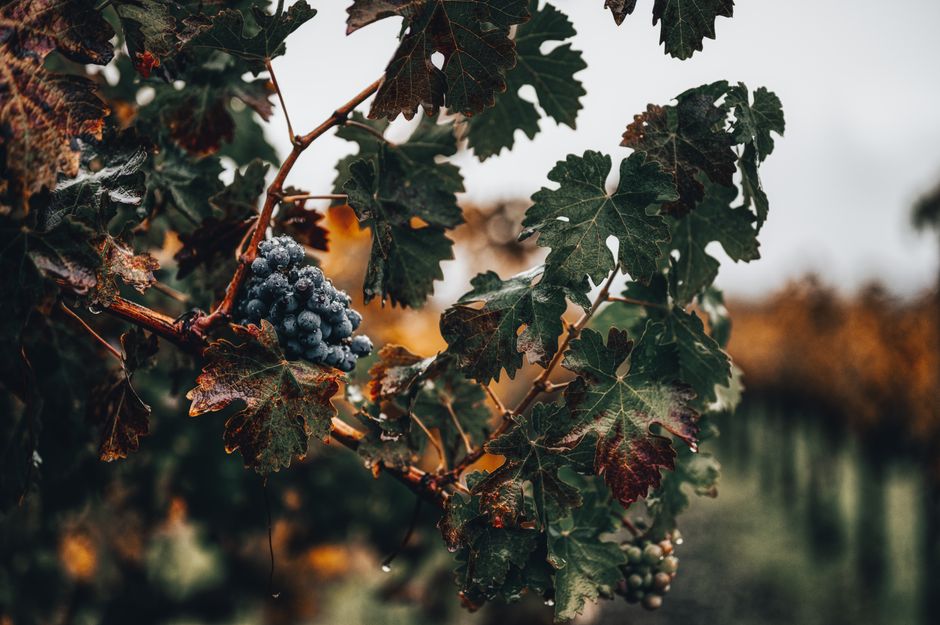
Refosco has a semi-open or open shoot apex, with adult leaves of medium size, pentagonal or cuneiform, from trilobed to pentalobed. The bunch is medium-sized, semi-compact or compact, sometimes winged. The berry is medium or large, rounded or short-elliptical, with a blue-black skin, thin or medium-thick, often bloomy.
From an agronomic perspective, Refosco shows medium vigor, with a yield per vine of approximately 5-5.5 kg and an average bunch weight between 190 and 228 grams. It prefers dry clay or alluvial soils with sufficient summer water supply. Fruit set is good and fruiting is abundant.
What is the phenology and disease sensitivity of Refosco?
The phenology of Refosco indicates medium to medium-late budburst, flowering, and ripening periods, with a often late veraison. The vine shows medium sensitivity to downy mildew but good resistance to botrytis and sour rot.
What are the characteristics of Refosco must and wine?
Refosco must analyses reveal average sugar values (°Brix) between 18.6 and 21.5, with acidity (g/l) ranging from 6.9 to 9.6. The must pH is generally between 3.02 and 3.78.
The wine obtained from Refosco is distinguished by an intense ruby red color. On the nose, notes of blackberry and sour cherry emerge, accompanied by an intense aroma of spices. On the palate, the wine is medium-bodied, quite tannic, savory, harmonious, fresh, and lively, with pronounced fruity sensations of raspberry and wild blackberry.
Does Refosco have aging potential and what is its enological use?
Refosco is suitable for the production of high-quality wines, both for young consumption and for extended aging. Its structure and aromatic complexity allow it to compete with international grape varieties. Traditionally, it is vinified as a single varietal or used in blends to impart greater aromatic complexity and spicy notes. Renewed interest and clonal selection are contributing to the recovery of its qualitative potential.
What is the export potential of Refosco for Italian wineries?
The growing global interest in indigenous grape varieties makes Refosco a promising candidate for export. Foreign buyers are looking for wines that tell a story and offer a unique territorial experience, qualities that Refosco possesses thanks to its Friulian origin and its distinctive organoleptic profile.
What do foreign buyers look for in Refosco?
- Authenticity and Terroir: International markets appreciate wines that express the identity of a specific territory, as Refosco does with Friuli-Venezia Giulia.
- Unique Aromatic Profile: The spicy and dark red fruit notes offer a complex and intriguing profile, distinct from other red grape varieties.
- Versatility: The ability to produce both young and age-worthy wines, and its potential in blends, makes it interesting for different market segments and food pairings.
- History and Storytelling: The grape's long history and resilience offer powerful narrative opportunities for marketing.
What strategies should be adopted for Refosco export?
To export Refosco-based wines, Italian wineries should:
- Communicate History and Origin: Emphasize the connection to Friuli-Venezia Giulia and its millennia-long history.
- Highlight Distinctive Characteristics: Showcase the intense color, spicy and fruity aromas, and tannic structure.
- Offer Various Options: Propose young and fresh versions, as well as more structured wines suitable for aging.
- Overcome Taxonomic Complexities: Present Refosco clearly, focusing on a specific sub-region or representative clone.
- Target Specific Markets: Focus on markets with established or growing interest in indigenous Italian grape varieties.
Refosco represents a concrete opportunity to diversify the Italian wine offering in international markets. With a targeted marketing strategy and effective communication of its qualities, this indigenous grape variety has the potential to win over new admirers beyond its borders.
Frequently Asked Questions
What are the synonyms and homonyms of Refosco that a foreign buyer should know?
Refosco has numerous common synonyms like Ribola and Ribolla, but it is crucial to distinguish it from homonyms such as Refosco degli uccelli or Raboso nero veronese to avoid confusion in international marketing. This richness of names reflects its long history and spread within the territory.
What are the organoleptic characteristics of Refosco wine that make it attractive to international markets?
Refosco wine is distinguished by an intense ruby red color, notes of blackberry and sour cherry, and an aroma of spices. On the palate, it is medium-bodied, tannic, savory, harmonious, fresh, and lively, with pronounced fruity sensations of raspberry and wild blackberry.
What aspects of Refosco do foreign buyers seek most when considering the purchase of Italian wines?
Foreign buyers seek authenticity and territoriality, appreciating wines that express the identity of a specific territory like Friuli-Venezia Giulia. They also look for a unique aromatic profile, the versatility of the grape variety, and its history, which offer powerful narrative opportunities for marketing.