Piedmontese White Wines: International Sales Strategies for Companies
Wines Export Editorial · Last updated:
Piedmont, a region renowned for its great red wines, also cherishes a heritage of white wines of significant interest, capable of captivating international markets. Exporting these excellences requires a deep understanding of their unique characteristics, current regulations, and the expectations of foreign buyers. This article explores the potential of Piedmontese white wines in the global export landscape, offering a practical guide for wineries looking to expand their international presence. Deeper Insight: OIV - International Organisation of Vine and Wine.
What are the distinguishing characteristics of Piedmontese white wines?
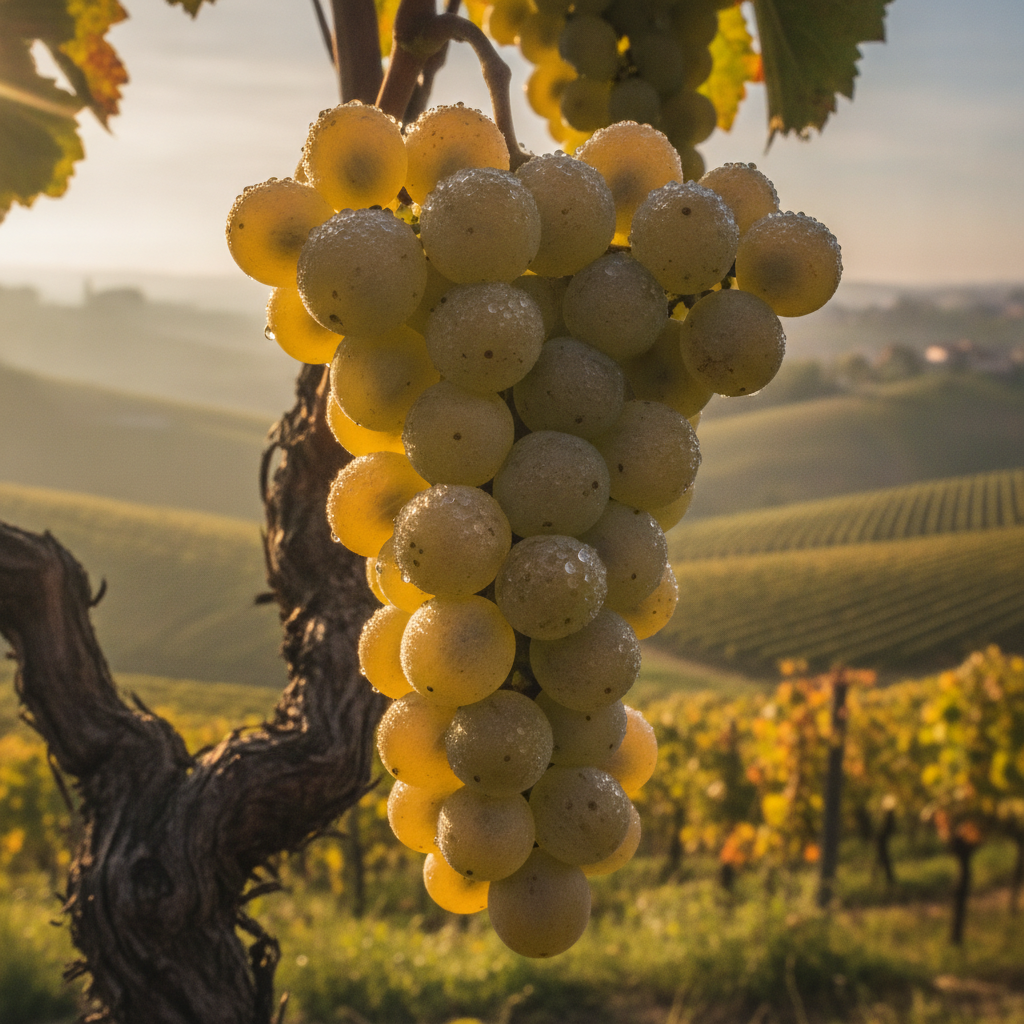
Beyond its celebrated reds, Piedmont offers a substantial production of white wines, often linked to native grape varieties. Among these, Cortese, the grape behind Gavi, and Moscato, the star of one of Italy's most famous sparkling wines, stand out.
Moscato Spumante: An Italian Excellence for Export
Moscato spumante is an "exclusively Italian" wine, primarily produced in the provinces of Alessandria and Cuneo. It is distinguished by its slightly golden white color, a sweet and delicate flavor, and an unmistakable musky aroma. Its analytical characteristics include a variable alcohol content (2 to 8% vol.), low total acidity (4 to 7 g/l), and residual sweetness (80 to 200 g/l glucose). These peculiarities make it highly valued for foreign trade, as evidenced by the historical mention of "Moscato in barrels (for export to Austria-Hungary)."
Dry White Wines from the Tortonese Hills
Alongside Moscato, Piedmont also offers prized dry white wines, particularly from the Tortonese hills. These wines have an alcohol content between 9 and 10.5% vol. and a total acidity of 5 to 7 per mille. Often produced from native grape varieties like Cortese, they imbue these wines with a distinctive character recognizable in the international market.
The Piedmontese Terroir and Its Influence on White Wines
The Piedmontese territory, predominantly hilly with calcareous and alkaline soils, is particularly suited for viticulture. This pedoclimatic diversity, combined with the producers' expertise, allows for the creation of white wines with fruity notes and good structure, capable of adapting to diverse international market demands.

What are the main challenges in exporting Piedmontese white wines?
The export of wines, including Piedmontese whites, presents a complex landscape of challenges and opportunities. A crucial aspect involves the need to adapt wines to the demands of foreign trade, which often requires specific strength and characteristics.
How to adapt wines to foreign market preferences?
Historical analyses indicate that foreigners tend to criticize excessive acidity, tartness, and harshness in Italian wines. The presence of acids such as malic and acetic acid can be a deterrent. To address this challenge, it is essential that wines are packaged in a way that maintains an overall acidity not exceeding 6 per mille.
Which documents and regulations are essential for export?
Wine export requires meticulous document management. The commercial invoice, proforma invoice, and packing list are universal documents essential for every international shipment. Each market then has specific requirements, such as verifying label compatibility with TTB regulations for the United States.
It is crucial to verify the operational status and updated license of the importer in specific markets. Correct customs classification (HS code, chapter 2204) and declaration of the country of origin are mandatory to avoid customs delays. Specific regulations may require particular wording, such as the mention "contains sulfites."
How to strategically position Piedmontese white wines in foreign markets?
Italian wine enjoys a historical leadership position in many markets, especially in the sparkling wine segment. This competitive advantage must be defended through rigorous distributor selection and strategic positioning, often in the mid-to-high price range, where demand is growing.
For wineries new to export, it is essential to prepare informational material in English, such as technical data sheets and company presentations. Presence in other markets or awards received can serve as valuable reference points for foreign buyers.
Frequently Asked Questions About Exporting Piedmontese White Wines
What are the main destination markets for Italian white wines?
The original text mentions Austria-Hungary for Moscato in barrels and the United States for TTB requirements, indicating these as potential markets of interest.
Which Piedmontese native grape varieties are most suitable for export?
Cortese, the grape for Gavi, and Moscato are explicitly mentioned as Piedmontese native grape varieties with export potential.
How is acidity managed in white wines for export?
To manage acidity, it is essential that wines are packaged to maintain an overall acidity not exceeding 6 per mille, through careful management of harvests and agronomic practices that promote optimal fruit ripening.
Wines Export positions itself as a strategic partner for Italian wineries seeking to navigate the complex world of export successfully. Through a dedicated B2B service, we help wine companies identify the most promising markets, understand local regulations, and build solid relationships with foreign importers and distributors.