Biodynamic Wine: Regulations and Opportunities for Italian Wineries
Wines Export Editorial · Last updated:
Biodynamic wine represents a growing segment in the global wine market, driven by increased consumer awareness towards sustainable and natural agricultural practices. For Italian wineries, understanding the specifics of biodynamic production and export requirements is crucial to seize the opportunities offered by this expanding market. This article explores the world of biodynamic wine, providing a practical guide for Italian wineries seeking to enter or strengthen their presence in international markets, focusing on key aspects such as regulations, market opportunities, and operational requirements. In-depth look: OIV — International Organisation of Vine and Wine.
What is Biodynamic Wine?
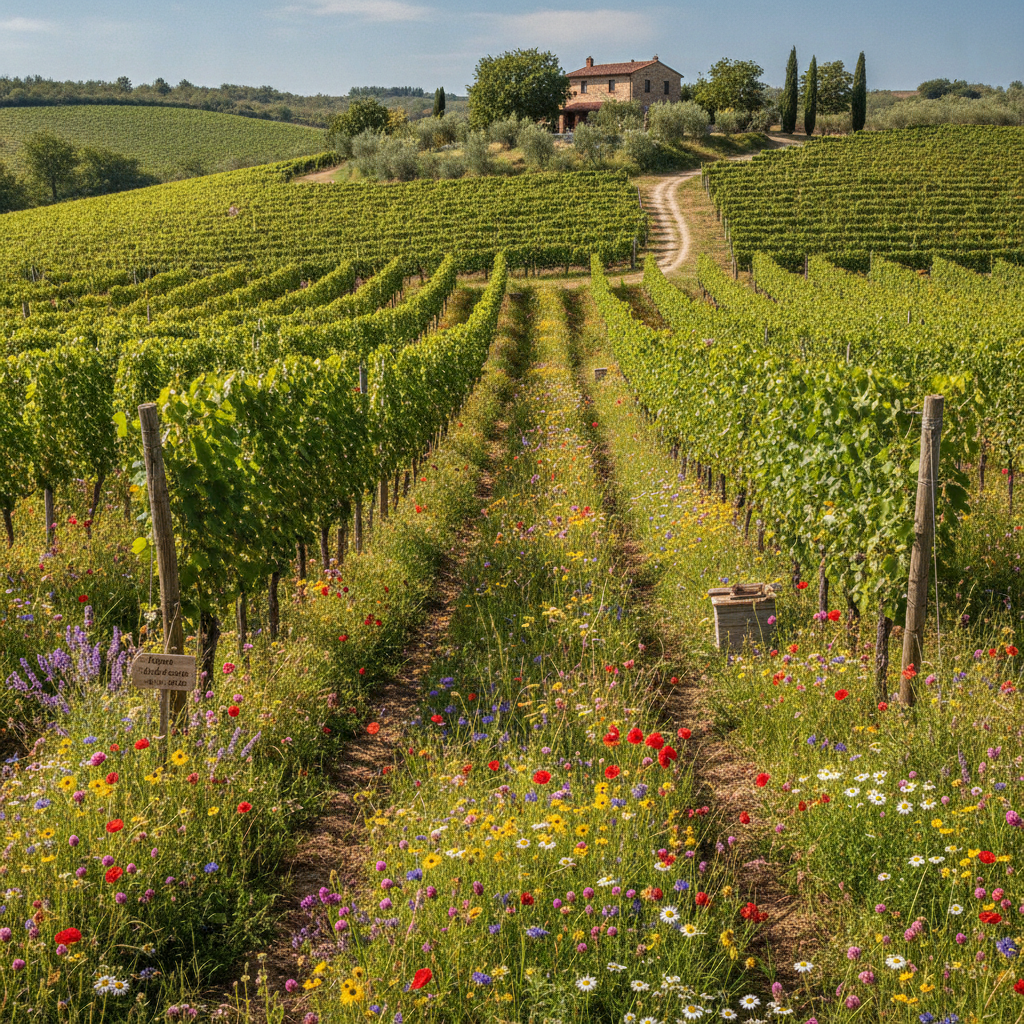
Biodynamic viticulture is based on the principles of organic agriculture but goes further, integrating a holistic view of the farm as a self-sufficient ecosystem. This approach, theorized by Rudolf Steiner, considers the earth, plants, animals, and cosmos as interconnected elements. In the context of winemaking, this translates into practices that aim to strengthen the vitality of the soil and the vine, minimizing external intervention and promoting biodiversity.
Unlike organic agriculture, which focuses on the absence of synthetic chemicals, biodynamics uses specific preparations (such as manure horn, silica horn, and herbal preparations) and follows an agricultural calendar based on lunar and planetary cycles. The goal is to produce grapes and wines that best reflect the terroir of origin, with an authentic expression and greater natural resilience.
It is important to note that while organic agriculture is regulated at the European level, specific regulations for "biodynamic" production in Italy have not yet been formally defined as a publicly recognized "DOC" or "DOCG." This creates a form of self-regulation akin to a production specification, even if not yet publicly recognized by the state. Therefore, not all organic wine is automatically biodynamic, and clarity on this point is essential to avoid market confusion.
What are the Market Opportunities for Italian Biodynamic Wine?
Biodynamic wine is gaining traction globally, with consumers increasingly focused on sustainability, health, and product authenticity. This interest is reflected in growing demand in key markets for Italian wine exports, driving diversification of commercial outlets.
How is Italian Wine Export Moving Towards New Markets?
Market trend analysis highlights a drive towards diversifying Italian wine exports. While traditional markets face challenges, Italian producers are intensifying their search for new commercial outlets. An ANSA analysis, based on Nomisma's Wine Monitor report, indicates that in 2025, Italian wine exports to 13 monitored emerging markets exceeded 400 million euros. The dynamic of seeking new markets also favors an approach to mature but unsaturated markets.
What are the Specifics of the Swedish Market for Biodynamic Wine?
The Swedish market, dominated by the state monopoly Systembolaget, shows a growing interest in sustainable wines. Industry journalistic sources report that Italian wine holds a significant market share, exceeding 30% by volume. Sweden sees regions like Veneto, Sicily, and Puglia capturing a substantial share of organic wine sales. Margareta Lundeberg, founder of the Swedish importer Handpicked, emphasizes the importance of "transparency and sustainability" and authentic certifications for Swedish consumers. Targeted investment in the Horeca channel is considered a crucial lever for building credibility before entering the monopoly's assortment.
How is Italian Organic Wine Positioned in the South Korean Market?
Regarding organic wine intended for South Korea, it is reasonable to expect that it may fall under the EU-Korea equivalence agreement, similar to US-Korea wine. This is because fermented wine falls within the Korean definition of "processed food." However, it is essential for the exporter to verify with their certification body whether the specific wine falls under the Korean classification for the issuance of a NAQS Import Certificate, avoiding automatic assumption of equivalence.
What are the Strategies for Approaching the US Market with Biodynamic Wine?
The American market offers platforms and logistical-commercial hubs dedicated to Italian wine, which can serve as aggregators for smaller wineries seeking an initial importer. Before making contact, it is essential to have materials in English (technical data sheet, winery presentation, FCA/FOB price list, high-resolution label images) and to verify the label's compliance with TTB (Alcohol and Tobacco Tax and Trade Bureau) requirements.
What are the Operational Requirements for Exporting Biodynamic Wine?
Exporting biodynamic wine requires careful planning and an understanding of the regulations and business practices of destination markets, focusing on certifications, documentation, and identification of the correct commercial partner.
Which Certifications Are Recognized for Biodynamic Wine Abroad?
As mentioned, specific regulations for biodynamic production are still evolving. However, most international markets recognize European-recognized organic certifications (such as the EU Organic logo) or international private bodies (like Demeter for biodynamics). It is crucial for Italian wineries producing biodynamic wine to possess the relevant certifications and be able to present them to potential importers.
What Documentation is Necessary for Exporting Biodynamic Wine?
Preparing the correct documentation is a key step. This includes:
- Wine Technical Data Sheet: Details on grape varieties, winemaking process, organoleptic characteristics, and, of course, biodynamic certification information.
- Price List: Clear and detailed, indicating Incoterms (e.g., FCA, FOB) and currency.
- Promotional Material: Winery presentation, high-quality images of labels, and, if possible, vineyards and winery, preferably in English.
- Labeling Requirements: Verify in advance the compliance of labels with the destination country's regulations (e.g., TTB in the USA) to avoid delays or shipment blocks.
- Quality and Export Certificates: Prepare the necessary documentation according to the indications of the competent ICE offices for the destination market.
How to Identify the Right Importer for Biodynamic Wine?
Choosing the right importer is strategic. It is advisable to:
- Identify importers with an active wholesale license and proven presence in the Horeca or retail channel, depending on the desired positioning.
- Consider a mid-to-high-end positioning, where demand for quality wines with distinctive characteristics like biodynamic is structurally growing.
- Verify the importer's financial soundness and reputation, requesting bank or commercial references and an import history.
- For markets with state monopolies (e.g., Sweden), understand the access dynamics and work closely with the importer to meet specific requirements.
Communication with the importer, beyond simple certification, should include the narrative of the territory, cultivation techniques, and corporate philosophy. Wineries that can convey transparency and a genuine commitment to sustainable practices have a significant competitive advantage, especially in markets like Sweden, where consumers are particularly sensitive to these aspects. Communicating one's story, achievements in vineyard biodiversity, or the use of specific biodynamic preparations can enhance the perceived value of the wine and create a deeper connection with the end consumer.

Frequently Asked Questions About Biodynamic Wine Export
Is Biodynamic Wine Officially Recognized in Italy with a Specific Specification?
Currently, specific regulations for "biodynamic" production in Italy are not yet formally defined as a publicly recognized "DOC" or "DOCG" but operate through a form of self-regulation similar to a specification.
What are the Main Emerging Markets for Italian Wine Exports, and How Does Biodynamic Wine Fit In?
In 2025, Italian wine exports to 13 monitored emerging markets exceeded 400 million euros. The dynamic of seeking new commercial outlets favors the approach to markets that, while mature, are not saturated, and where the growing attention to sustainability can enhance biodynamic wine.
What are the Essential Requirements for Exporting Biodynamic Wine to the United States?
Before contacting potential importers in the United States, it is essential to have materials in English (technical data sheet, winery presentation, FCA/FOB price list, high-resolution label images) and verify the label's compliance with TTB (Alcohol and Tobacco Tax and Trade Bureau) requirements.
The export of biodynamic wine offers an interesting growth perspective for Italian wineries. Understanding the specifics of biodynamic production, navigating international regulations, preparing necessary documentation, and selecting reliable commercial partners are fundamental steps for success. Wineries that can communicate authenticity, transparency, and a concrete commitment to sustainability will have a greater chance of establishing themselves in global markets, enhancing a segment of excellence in Italian-made products.