The Bordeaux Bottle for Italian Wine Export: Characteristics and Regulations
Wines Export Editorial · Last updated:
In the complex world of wine export, every detail counts. From grape varietal selection to marketing strategy, logistics, and documentation, each element contributes to a winery's success in international markets. Among these details, the bottle shape plays a surprisingly important role, not only for aesthetics but also for its recognizability and compliance with regulations in different countries. The "Bordeaux bottle" is one such iconic shape, deeply rooted in wine history and widely adopted globally. Understanding what defines it and its implications for export is crucial for Italian wineries aiming to expand their international presence. Read more: OIV — International Organisation of Vine and Wine.
What is the Bordeaux Bottle?
The Bordeaux bottle is a glass container with a narrow neck, high and distinct shoulders, and a cylindrical body, typically 75 cl. Originating from the Bordeaux region, it has become a universal symbol of quality wine, adopted worldwide for various wine types.
The "Vocabolario del Vino" (Wine Dictionary) distinguishes it from the "Burgundian" bottle by its more sloped shoulders. The term can also extend to storage standards, such as a "Bordeaux butt" of 900 liters (4 barriques of 225 liters). This association with established standards lends the Bordeaux bottle an aura of reliability and tradition, qualities highly valued in international wine trade.
Implications for Export: Regulations and Perception
Adopting the Bordeaux bottle for export is not merely a stylistic choice but involves practical considerations related to regulations and market perception.
Labeling and Material Compliance
When exporting wine, labeling and packaging materials must adhere to the regulations of the destination country. The Bordeaux bottle, being a widely distributed shape, tends to be well understood by global logistics and customs systems, reducing potential hurdles.
It is essential that the label is clear and compliant with local laws, including mandatory statements on sulfites and allergens. The Bordeaux bottle typically offers sufficient space to include all required information without compromising aesthetics.
Market Perception and Positioning
The Bordeaux bottle is often associated with premium quality wines, helping to position Italian wine in the upper-middle market segment, a sector showing structurally growing demand.
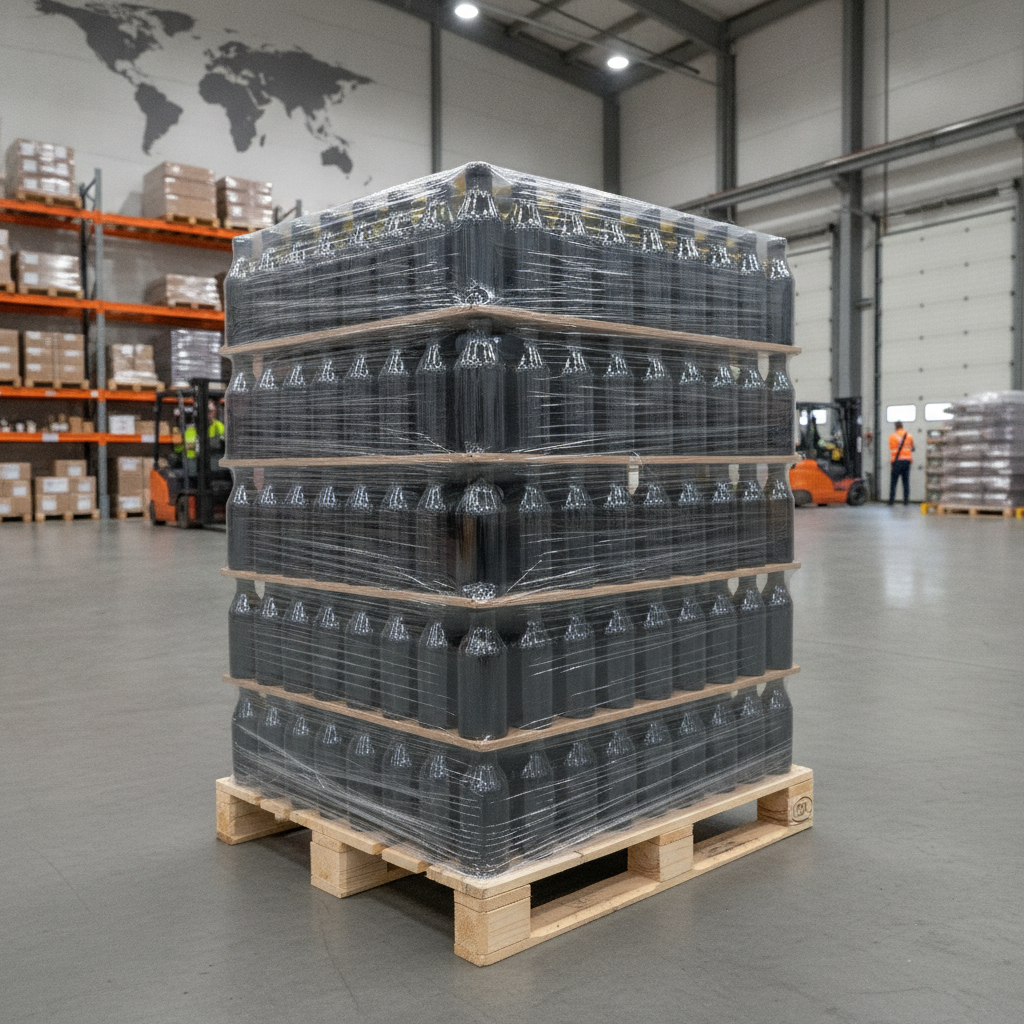
For international markets, the Bordeaux bottle is an immediately recognizable format that evokes tradition and quality. Its shape is also practical for storage and transport, fitting well onto standard EU pallets (120x80 cm) and various storage conditions.
Documentation and Operational Flow for Export
Regardless of bottle shape, wine export requires rigorous documentation and a well-defined operational flow. The Bordeaux bottle, like any other format, must be accompanied by the correct documentation.
Essential Documents
Among the universal documents required for wine export are: EORI Registration, Proforma Invoice, Certificate of Origin, Chemical-Physical Analysis Certificates, and Insurance Policy/Certificate. Specific certificates may be required depending on the destination country.
Operational Flow
The export process, from negotiation to delivery, involves several stages: buyer contact and qualification, commercial offer and negotiation, order fulfillment and production, logistics and shipping, and finally delivery and payment. The familiarity of the Bordeaux bottle can simplify negotiation.

Specific Considerations for Key Markets
Although the Bordeaux bottle is a universal format, specific market regulations require attention.
United States
In the USA, labeling must comply with the TTB (Alcohol and Tobacco Tax and Trade Bureau) regulations. This includes mandatory sulfite declaration, net content in metric units (with the option to add the US fluid ounce equivalent), alcohol content, and the importer's name and address.
Belgium
When exporting to Belgium, it is important to verify with the importer any health requirements or compliance marks not covered by general guidelines. Nutritional labeling and the statement on sulfites/allergens are always included.
Ukraine
In the Ukrainian market, Italian wine enjoys a historical leadership position. An upper-middle market positioning, supported by a classic image like that offered by the Bordeaux bottle, can be strategic. It is crucial to verify the operational status and updated licenses of importers.
Frequently Asked Questions
What are the distinctive characteristics of the Bordeaux bottle compared to other shapes?
The Bordeaux bottle is distinguished by its high and marked shoulders and a cylindrical body, unlike the Burgundian bottle which has more sloped shoulders. Both have a standard capacity of 75 cl.
Does the Bordeaux bottle's shape affect the perception of wine value abroad?
Yes, the Bordeaux bottle is a universally recognized format that evokes tradition and quality, potentially contributing to positioning Italian wine in the international upper-middle market segment.
What are the essential documents for exporting wine in a Bordeaux bottle?
Essential documents include EORI Registration, Proforma Invoice, Certificate of Origin, Chemical-Physical Analysis Certificates, and Insurance Policy/Certificate. Specific documents may be required depending on the destination country.
The Bordeaux bottle is more than just a container; it is a globally recognized symbol that evokes quality, tradition, and reliability. For Italian wineries aiming to export their wines, adopting this format can offer significant advantages in terms of market perception and ease of access to various countries. However, export success requires a deep understanding of regulations, meticulous documentation management, and an efficient operational flow. The Bordeaux bottle, when paired with an excellent product and a well-planned export strategy, can become a powerful ally in conquering new international markets.