Marsala all'Uovo: How to Bring Your Wine to International Markets
Wines Export Editorial · Last updated:
Marsala all'uovo, an Italian fortified wine with a centuries-old history, presents a niche opportunity for wineries seeking to expand their presence in international markets. While it comes with specific challenges related to its type and consumer perception, its uniqueness and the growing global interest in authentic gastronomic products can translate into commercial success. This article explores the strategies, regulations, and market opportunities to guide Italian wineries in exporting this distinctive Sicilian wine. Deeper Dive: OIV - International Organisation of Vine and Wine.
What is the History and Uniqueness of Marsala all'Uovo?
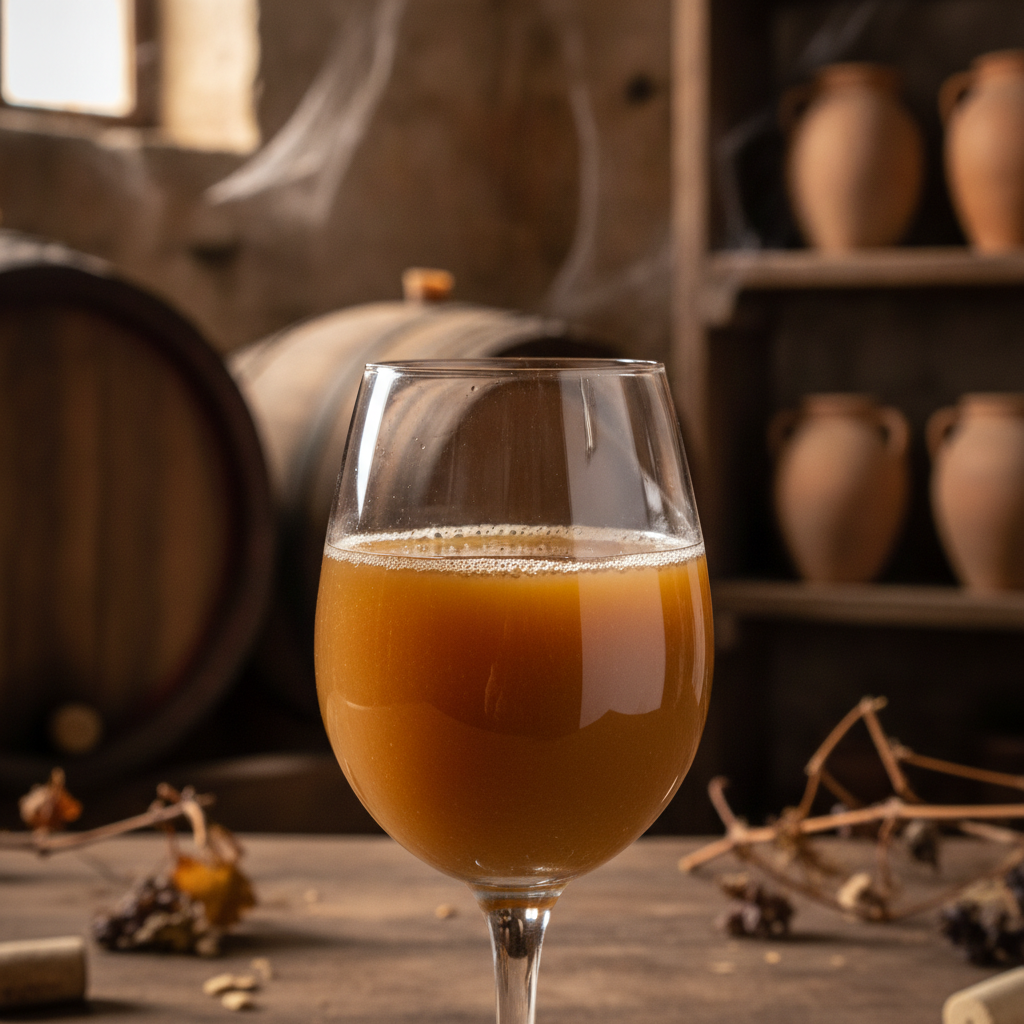
Marsala, produced in Sicily, originates from the 18th century, thanks to the entrepreneur John Woodhouse. The "all'uovo" (with egg) version is distinguished by the addition of egg yolks and sugar, giving it a sweet taste and a rich texture. This positions it as a unique fortified wine, ideal for desserts or contemplation, rather than a table wine.
What are the Market Opportunities for Marsala all'Uovo Abroad?
The global interest in authentic, high-quality Italian products creates opportunities for distinctive wines like Marsala all'uovo. Markets that appreciate sweet, fortified, or regionally unique wines, such as those with a tradition of consuming sherry or port, could be particularly receptive.
Which Markets and Trends are Relevant for Marsala all'Uovo Exports?
Italian wine exports demonstrate resilience, moving beyond traditional markets. For Marsala all'uovo, it is crucial to identify markets with established demand for sweet and fortified wines, where the gastronomic culture is deep and consumers are open to exploring high-quality, territorially distinct varietals.
How Does Marsala all'Uovo Position Itself in the International Market?
Marsala all'uovo does not compete with table wines but positions itself as a premium product. Strategies include targeting the luxury Horeca segment, collaborating with importers specializing in fortified wines, and focusing on markets with a strong gastronomic tradition where its uniqueness and history justify a premium price.
What are the Regulatory and Documentation Challenges for Exporting Marsala all'Uovo?
Wine export requires attention to international regulations and documentation. Each market has specificities, but requirements such as clear labeling (designation, origin, type, ingredients) and linguistic compliance are universal.
What are the Labeling and Compliance Requirements for Marsala all'Uovo?
The label must clearly indicate "Marsala" and its Sicilian origin, its type (sweetness, color), and the presence of egg and sugar. It is essential that the term "wine" is used only for products made 100% from grapes. Many markets require bilingual labels or translations into the local language to ensure compliance.
What Documentation is Necessary for Exporting Marsala all'Uovo?
Essential documentation includes a commercial invoice, certificate of origin, packing list, transport document (e.g., Bill of Lading), quality certificate, and export invoice. In some cases, such as for the United Arab Emirates, authentication by the Chamber of Commerce and the Embassy is required.

What Operational Strategies are Recommended for Exporting Marsala all'Uovo?
For a winery exporting Marsala all'uovo, a strategic approach is fundamental. Researching and selecting the right importer, preparing effective marketing materials, and carefully managing payments and risks are crucial steps.
How to Choose the Right Importer for Marsala all'Uovo?
It is necessary to identify importers with an active wholesale license, proven experience in the target market and in handling Italian wines, a solid distribution network, and an affinity for the product. Online platforms, trade fairs, and commercial missions are useful for finding reliable partners.
What Marketing and Communication Materials are Effective for Marsala all'Uovo?
Promotional and technical materials must be meticulously prepared, preferably in English and professionally translated. Technical data sheets, winery presentations, clear price lists, and high-quality images are essential. The narrative of the territory and Italian tradition must remain a central element.
How to Manage Payments and Risks in Exporting Marsala all'Uovo?
The use of strong currencies is recommended to mitigate exchange rate risk. It is necessary to verify local currency control regimes and fund transfer times. Credit insurance, through entities like SACE, can offer additional protection against non-payment risks.
Frequently Asked Questions
What are the main historical export markets for wines similar to Marsala all'Uovo?
Historically, markets such as Brazil have been important outlets for Portuguese wines and similar Italian products, indicating potential receptiveness for Marsala all'uovo.
Is a certificate of origin required for exporting Marsala all'Uovo?
Yes, a certificate of origin is often required to attest to the product's Italian provenance and may be necessary for Chambers of Commerce and Embassies.
What are the implications of adding egg and sugar on the labeling of Marsala all'Uovo abroad?
The presence of egg and sugar must be clearly indicated on the label, in accordance with the local regulations of each destination country.
Exporting Marsala all'uovo requires a deep understanding of the product, the market, and the regulations. Wineries that can position it strategically, manage documentation meticulously, and select reliable partners will have a higher chance of success in conquering new international markets.