Bringing Italian Wines to Foreign Markets: Everything You Need to Know
Wines Export Editorial · Last updated:
Italy is renowned for its rich winemaking tradition, producing labels appreciated globally. For Italian wineries looking to expand abroad and for international importers seeking gastronomic excellence, understanding foreign market dynamics, regulations, and commercial strategies is crucial. This article offers a practical guide to successfully navigate the complex world of Italian wine export, addressing challenges and seizing opportunities. In-depth Look: OIV - International Organisation of Vine and Wine.
How is Italian Wine Positioned in Foreign Markets?
Italian wine enjoys a strong international reputation and a competitive market position. Its versatility, capable of offering a wide range of styles and flavors, meets the needs of diverse consumers and distribution channels, making it a favored protagonist in many nations.
In Central and Eastern European markets, Italian wine effectively competes with historically established nations like France, Germany, Austria, and Spain. This success is often attributed to the perception of quality, authenticity, and the prestige associated with "Made in Italy."
Despite challenges, such as bureaucratic complexities or logistics management, the barriers to exporting high-quality Italian wines are often less insurmountable than one might think. The gradual removal of these barriers further facilitates access to global markets.
Italian wineries have historically performed well in the mass market, even with modest profit margins. Favorable Italian climate conditions allow for large-scale production of quality wines at competitive prices, appreciated in foreign markets. Wines like Soave, Bardolino, Frascati, Lambrusco, Verdicchio, and young Chianti are examples of this capability to offer accessible quality.
What Do Foreign Buyers Seek Beyond Price?
While price is an important factor, foreign buyers actively seek wines that offer excellent value for money, along with authenticity, a compelling story, and a well-defined market positioning.
The demand for mid-to-high-end wines is steadily growing. This segment represents a significant opportunity for wineries focused on qualitative excellence and a distinctive identity. It is crucial to identify importers with active wholesale licenses and a solid presence in the Horeca channel to best leverage higher-value wines.
What is the Role of Institutions and Trade Associations in Export?
Entities like the Italian Trade Agency (ICE) are invaluable resources for Italian wineries looking to export. Contacting the local ICE office in the destination country can provide information on promotional initiatives, trade fairs, and potential business partners. Italian Chambers of Commerce Abroad also offer support and useful references.
For example, for the Hungarian market, it is advisable to consult ITA Budapest regarding events like the Winelovers Wine Awards and consider participation. Requesting references from ICE or the Italian Chamber of Commerce for Hungary (CCIU) on Italian wineries already active and successful can help create detailed case studies.
What are the Essential Documents for Exporting Wine?
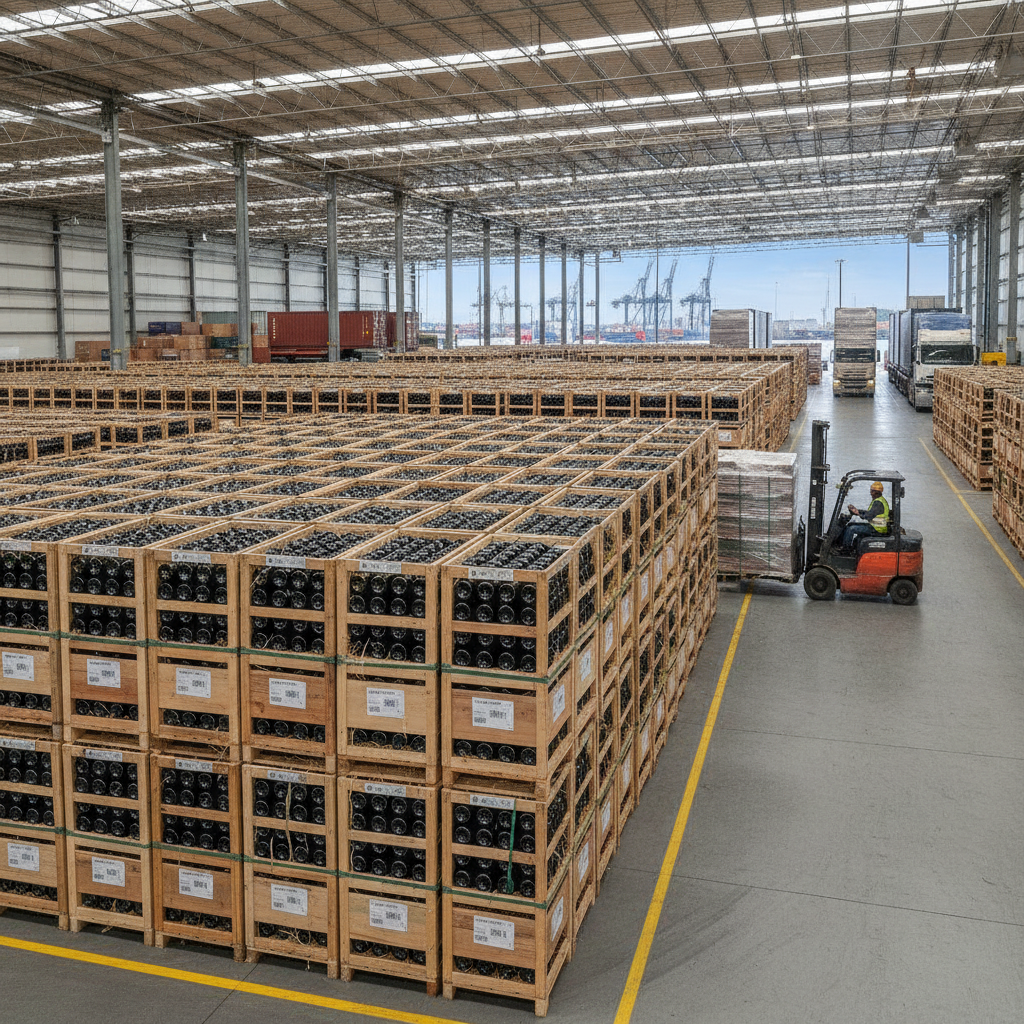
Every winery embarking on export must have a set of universal documents, which form the basis for any international commercial operation. These are in addition to the specific requirements of each country, such as duties, health certifications, or the VI-1 form for the EU.
What are the Necessary Universal Documents?
- EORI Registration (for EU Exporters): Italian wineries shipping outside the EU require an EORI (Economic Operators Registration and Identification) number. This code is mandatory for customs operations and identifies the economic operator to EU customs authorities. The request is free and can be made online through the Italian Customs Agency. Without EORI, goods cannot be declared to customs.
- Proforma Invoice: A preliminary document exchanged between seller and buyer, defining the transaction terms before the final invoice.
- Quality Certificate and Export Invoice: Documents to be prepared according to the instructions of the ICE Agency or the competent authorities of the destination country.
- Certificate of Analysis: Issued by an accredited laboratory, it attests to the physicochemical characteristics of the wine.
- EUR.1 Certificate: If applicable, it allows for the exemption or reduction of customs duties in countries with trade agreements with the EU.
- Logistics Documentation: Includes minimum advance notice to competent authorities for each shipment and the delivery of samples, if required.
What are the Country-Specific Requirements?
Each market has unique regulations. For South Africa, for example, it is necessary to submit documents for approval by the Department of Agriculture, including details on Horeca vs. retail coverage, storage conditions, and country of origin. The Liquor Products Act requires the indication of the country of origin and the phrase 'contains sulphites' if sulfur dioxide exceeds 10 mg/l. It is essential to calculate the fiscal impact, including VAT, duties, and excise taxes.
For Ukraine, it is important to identify an importer with an active wholesale license and presence in the Horeca channel. Italian wine holds historical leadership in the sparkling wine segment (around 39% in 2019/2020). Before reactivating suspended relationships, it is necessary to verify the importer's operational status and updated license.
What Strategies Should Be Adopted to Enter and Promote Wines in Foreign Markets?
Entering a new market requires a clear strategy, considering distribution channels, promotional activities, and communication.
Are Trade Fairs Still an Effective Tool?
Trade fairs remain a central tool for acquiring new business contacts, especially for small and medium-sized wineries.
- Vinitaly (Verona, Italy): Italy's premier wine fair, a benchmark for international buyers seeking the Italian enological offering. It organizes buyer delegations through ICE for B2B meetings.
- ProWein (Düsseldorf, Germany): Considered the world's leading B2B trade fair with the largest audience of international professional buyers, it is crucial for entering Northern European markets.
- Vinexpo/Wine Paris: Another important international event offering networking and business opportunities.
Are There Alternative Channels and Forms of Bilateral Promotion?
Beyond trade fairs, there are other avenues to promote Italian wine abroad:
- Platforms and Logistics-Commercial Hubs: New entities in the USA, for instance, aggregate smaller wineries looking for a first importer.
- Information Desks and Promotion Networks: In markets like Ecuador, initiatives such as the "Sportello Vino Italia" publish content on Italian wines and producers, useful for mapping the competition.
- Local Horeca Events: Monitoring specific events in the restaurant and hotel sector in target markets can open direct contacts with channel operators.
What is a Checklist for First Contact and Market Entry?
Before initiating commercial contacts or planning entry into a new market, it is advisable to follow an operational checklist:
- Material in English: Prepare wine technical data sheets, winery presentations, FCA/FOB price lists, and high-resolution label images.
- Preliminary Label Requirement Check: Ensure the label complies with the destination country's regulations (e.g., TTB in the USA) before promising availability.
- Clarity on Commercial Terms: Define Minimum Order Quantity (MOQ), available formats, and production/bottling times.
- References and Accolades: Mention presence in other export markets or relevant recognitions for the target audience.
- Identify the Right Partner: Rigorously select distributors or importers with proven experience and a solid network in the target market.

Conclusion: A Future of Success for Italian Wine
Exporting Italian wine offers significant growth opportunities for wineries capable of navigating international markets. The combination of a high-quality product, a targeted commercial strategy, institutional support, and deep knowledge of requirements is the key to lasting success. Wines Export supports Italian wineries in transforming these challenges into concrete opportunities, facilitating access to global markets and promoting the excellence of Italian wine.
Frequently Asked Questions
What are the key factors that international buyers look for in Italian wine beyond price?
International buyers actively seek Italian wines that offer excellent value for money, coupled with authenticity, a compelling story, and a well-defined market positioning. There is a growing demand for mid-to-high-end wines, representing a significant opportunity for wineries focused on quality and distinct identity.
How can Italian wineries leverage institutions and trade associations for export success?
Institutions like the Italian Trade Agency (ICE) are valuable resources for Italian wineries looking to export. Contacting the local ICE office in the destination country can provide information on promotional initiatives, trade fairs, and potential business partners. Chambers of Commerce Abroad also offer support and useful references.
What are the essential universal documents required for exporting Italian wine?
Essential universal documents for exporting Italian wine include the EORI registration for shipments outside the EU, a Proforma Invoice, a Quality Certificate and Export Invoice, a Certificate of Analysis, and potentially a EUR.1 Certificate for duty reductions. Logistics documentation, such as advance notice to competent authorities, is also necessary.