Apulian Red Wine: How to Initiate Export for Businesses
Wines Export Editorial · Last updated:
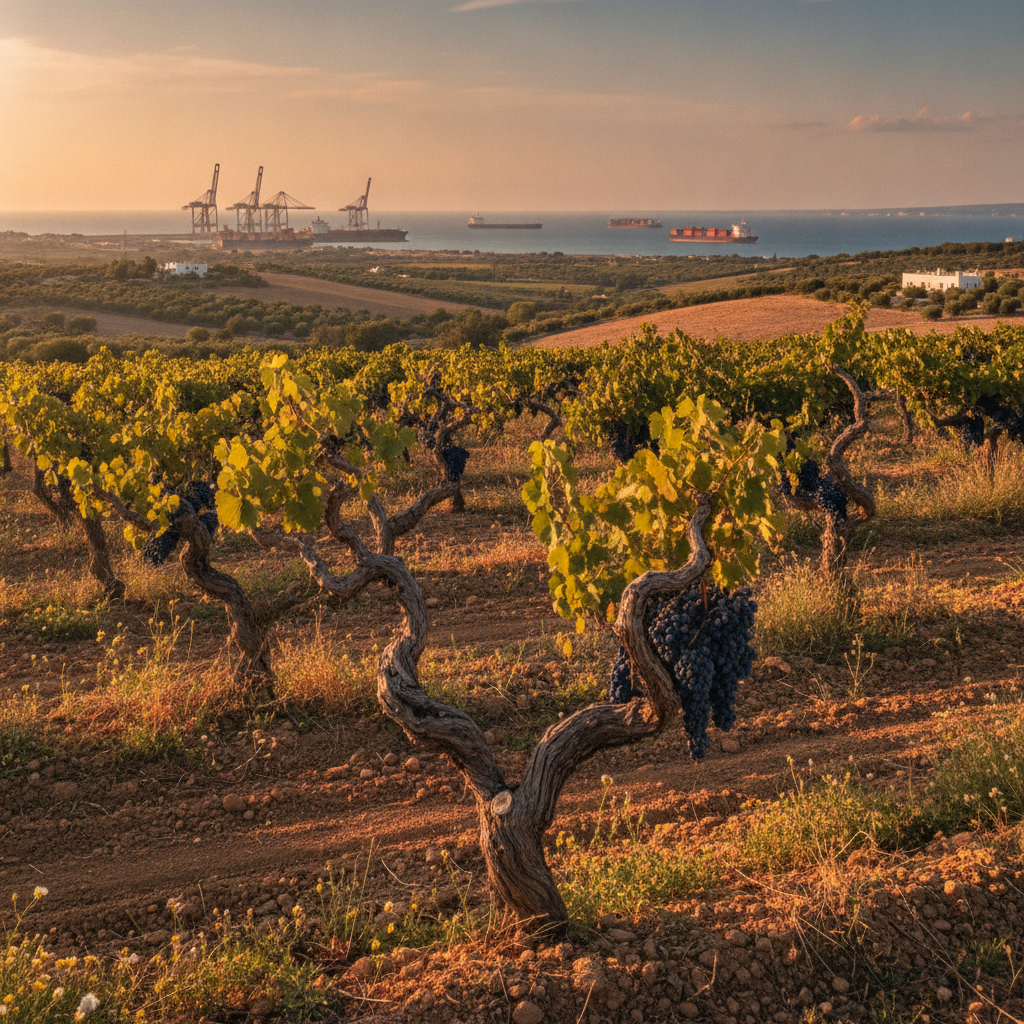
Apulia, a land of sun and ancient winemaking traditions, is one of Italy's most significant regions in wine production and export. Its "Apulian red wine" is not just a product of excellence but an ambassador of Italian excellence worldwide. For Apulian wineries looking towards international markets, understanding the complexities of export is crucial to transforming potential into commercial success. This article explores the key aspects to consider for successfully exporting Apulian red wine, from the necessary documentation to positioning strategies. In-depth look: OIV - International Organisation of Vine and Wine.
How does Apulia position itself in international wine trade?
Historically, Apulia has always held a prominent role in the Italian wine landscape, contributing significantly to exports as early as 1938. This export vocation has remained constant, with Apulian wines reaching markets worldwide, ranging from more structured to more elegant profiles, often the result of blends that recall ancient traditions.
Apulian wine production, while of great volume, also lends itself to mid-to-high-end positioning. This segment is characterized by structural demand growth in international markets, where there is scope for higher quality wines that tell the story of Apulia's territory and authenticity.
What are the essential documents for exporting wine?
Wine export requires careful document management. There is a core set of universal documents that every winery must prepare, regardless of the destination country. These documents serve as proof of the transport contract, a basis for customs clearance, and a guarantee of regulatory compliance.
What are the fundamental documents for wine export?
Fundamental documents include the Commercial Invoice (with detailed product description, quantity, value, Incoterm, and HS code), the Proforma Invoice (useful in preliminary negotiations), the Packing List (detailing the physical contents of each package), and EORI registration for EU exporters. If stipulated by the delivery term, a Policy/Certificate of Insurance is also required.
What specific certifications may be required for wine export?
Beyond universal documents, each market may require specific certifications. Among the most common for extra-EU exports are the Certificate of Origin (issued by the Chamber of Commerce), Chemical-Physical Analysis Certificates from accredited laboratories, and in rare cases, a Phytosanitary Certificate. The VI-1 Document is required by the EU for imports from third countries, not for exporting Italian wine to non-EU markets, with derogations for countries with equivalence agreements.
How is Apulian red wine strategically positioned in international markets?
To stand out in international markets, Apulian red wine must focus on strategic positioning that highlights its unique characteristics, concentrating on quality and storytelling about the territory.
What is the ideal market segment for Apulian red wine?
It is advisable to consider a mid-to-high-end positioning. This segment is characterized by structural demand growth, where consumers are willing to pay a premium for quality products that offer an authentic experience and a connection to the territory.
How can the territory and authenticity of Apulian wine be leveraged?
Wineries should invest in telling the story of the territory, traditions, cultivation, and winemaking methods that make their Apulian red wine unique. The richness of indigenous grape varietals and the millennia-old history are powerful marketing tools to create an emotional connection with the consumer.
How to identify the right importer for Apulian wine?
Choosing the right distribution partner abroad is crucial. It is necessary to identify importers with active wholesale licenses and a proven presence in the Horeca channel or retail, depending on the desired positioning. It is important to ask for details about their market coverage.
What aspects of adaptation and compliance are important for wine export?
Each market has its specificities. Labeling must comply with local regulations, including the indication of the country of origin. Compliance with authorized enological practices and correct management of ingredient information (such as sulfites) are other aspects that require careful attention.

Frequently Asked Questions
What are the main destination markets for Apulian red wine?
The original text does not specify the main destination markets for Apulian red wine, but indicates that Apulian wines reach markets worldwide.
Is a certificate of origin required to export Apulian red wine?
Yes, the Certificate of Origin, issued by the Chamber of Commerce, is one of the specific documents that may be requested to attest to the Italian origin of the goods for customs purposes.
What are the Apulian indigenous grape varietals most suitable for export?
The text mentions indigenous grape varietals such as Primitivo, Negroamaro, and Uva di Troia, emphasizing how these elements are powerful marketing tools for narrating the territory.
Exporting Apulian red wine means bringing a piece of Italian history, culture, and passion to the world. Although logistical and bureaucratic challenges are significant, meticulous preparation, in-depth knowledge of target markets, and a clear positioning strategy can transform these challenges into opportunities. Apulian wineries have a winemaking heritage of great value, capable of conquering the most demanding palates globally.