Italian Non-Alcoholic Wine: Export Strategies and Success in Foreign Markets
Wines Export Editorial · Last updated:
The wine market is undergoing a significant transformation, with a growing demand for low-alcohol and non-alcoholic alternatives. For Italian wineries, this presents an opportunity for diversification and access to new consumer segments. However, exporting non-alcoholic wine comes with specific challenges related to production, labeling, and regulatory compliance. This article explores what Italian wineries need to know to successfully navigate the global non-alcoholic wine market. Deep Dive: OIV — International Organisation of Vine and Wine.
Why is there a Growing Demand for Non-Alcoholic Wine?
The landscape of beverage consumption is constantly evolving. An ever-increasing portion of consumers, for health, wellness, ethical choices, or simply preference reasons, are seeking alternatives that offer the sensory experience of wine without the alcoholic component. This trend is becoming mainstream, pushing producers to innovate and adapt.
Is the Quality of Non-Alcoholic Wine Truly Inferior?
The quality of non-alcoholic wines is a debated topic. Some detractors argue that these products do not reach the quality standards of traditional wines. However, quality largely depends on the producer's awareness and technique. It's no longer about "de-alcoholizing" an already-made wine, but rather an approach that starts from the vineyard, selecting aromatic grape varieties and optimizing ripeness to achieve maximum aromatic potential even before the de-alcoholization process begins. The challenge for the future is to produce naturally low-alcohol or non-alcoholic wines that maintain good quality balance.
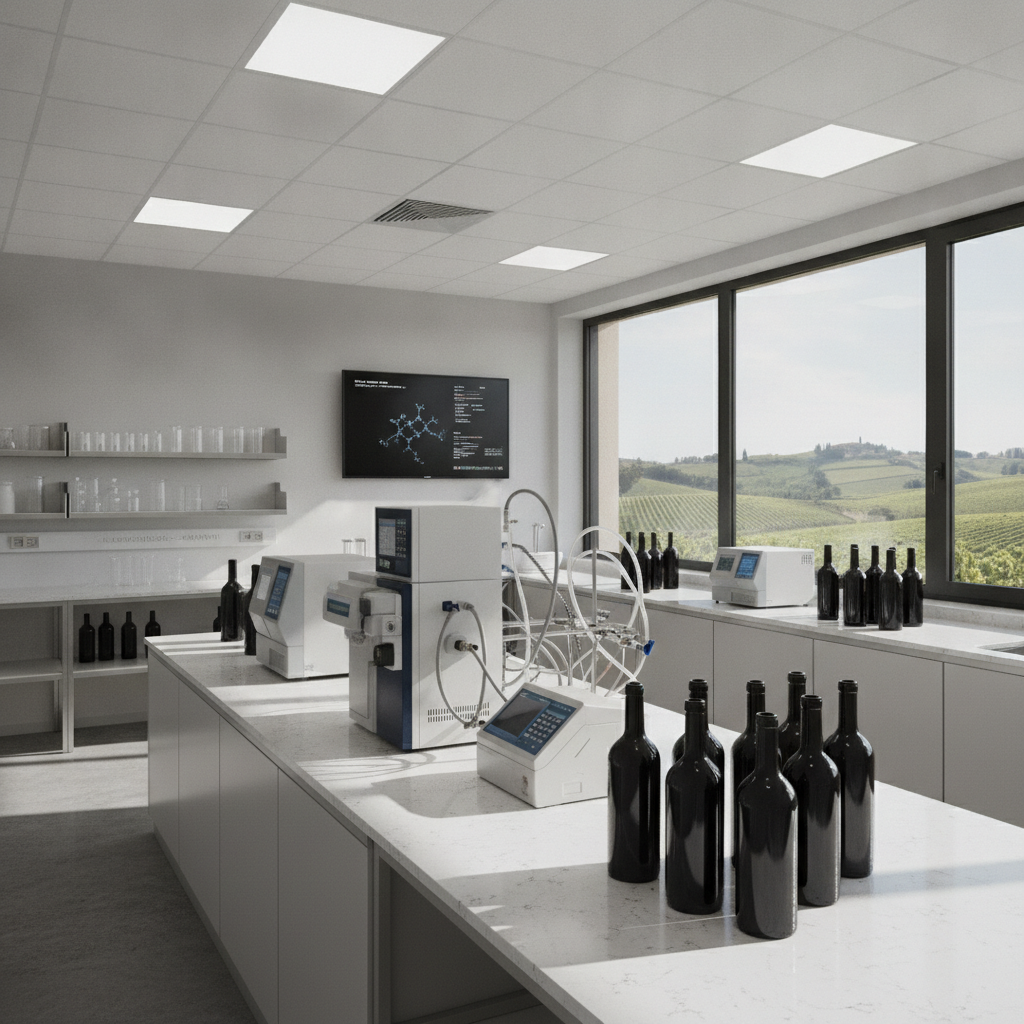
How is Non-Alcoholic Wine Produced?
The production of non-alcoholic wine requires a focused approach right from the selection of grape varieties and vineyard management. Aromatic grape varieties are often preferred for their ability to preserve aromas and flavors even after the alcohol removal process. A slightly later harvest can contribute to maximizing aromatic ripeness.
The de-alcoholization method is crucial. Several technologies exist, including vacuum distillation and membrane filtration, which aim to remove alcohol while preserving the wine's organoleptic characteristics as much as possible. The choice of method and its correct application are fundamental to prevent the final product from being perceived as lower quality. As some operators have noted, "If we stop at the phrase 'de-alcoholized wine equals bad wine,' we will never recover." Active commitment to research and development is necessary to refine these techniques.
In addition to fully non-alcoholic wine, the "low-alcohol" category, meaning wines with naturally reduced alcohol content, is also gaining ground. Achieving good quality balance in this category represents a significant but promising challenge for the future of the sector.
What are the Regulatory and Labeling Requirements for Exporting Non-Alcoholic Wine?
The export of wine, whether alcoholic or non-alcoholic, requires strict adherence to international and destination country regulations. While specific regulations vary significantly from market to market, there are some general principles to consider.
Regardless of the destination country, certain types of documents are always necessary for wine exports.
What are the legal definitions of "non-alcoholic wine" in foreign markets?
When exporting non-alcoholic wine, it is essential to verify the specific definitions and regulations of the destination country regarding what legally constitutes "non-alcoholic wine" or a "low-alcohol beverage."
Where can I find information on key markets for non-alcoholic wine exports?
It is crucial to consult specific guides for each destination market, such as those provided by ICE (Italian Trade Agency), to obtain detailed and up-to-date information.
How Should I Approach Packaging and Marketing Strategies for Non-Alcoholic Wine?
Packaging and marketing strategies play a crucial role in the success of non-alcoholic wines.
- Market Positioning: Non-alcoholic wine can attract a broader audience, including health-conscious consumers, athletes, or those who simply wish to reduce their alcohol intake without giving up the pleasure of wine. A mid-to-high-end positioning, where demand is structurally growing, can be a winning strategy.
- Effective Communication: It is essential to clearly communicate the benefits of non-alcoholic wine, emphasizing the quality of the production process and the sensory experience offered. Avoiding a purely "alternative" approach and focusing on product excellence is fundamental.

Conclusions and Next Steps
The export of non-alcoholic wine represents a promising growth area for Italian wineries. To fully seize this opportunity, a strategic approach is needed that integrates production innovation, a deep understanding of international regulations, and targeted marketing.
Wineries looking to explore this market should:
- Invest in Research and Development: To refine production techniques and ensure high quality of the final product.
- Deepen Regulatory Knowledge: Consult specific guides for destination markets and collaborate with experts to ensure full compliance.
- Adapt Packaging and Marketing: Develop strategies that highlight the product and reach interested consumer segments.
- Identify Reliable Partners: Collaborate with importers and distributors who understand the specifics of the non-alcoholic wine market.
The non-alcoholic wine market is set to expand further. Italian wineries that can adapt and innovate will have the opportunity to capture new market shares and strengthen their global presence.
Frequently Asked Questions
What are the main advantages of exporting non-alcoholic wine for Italian wineries?
Exporting non-alcoholic wine offers Italian wineries the opportunity to diversify their offering and access new consumer segments, expanding their presence in the global market.
What are the main challenges in producing non-alcoholic wine for export?
The main challenges include the need to refine de-alcoholization techniques to preserve organoleptic characteristics, the selection of aromatic grape varieties and vineyard management, as well as specific regulatory compliance for each market.
Where can I find detailed information on export regulations for non-alcoholic wine?
It is advisable to consult specific guides for each destination market, such as those provided by ICE (Italian Trade Agency), to obtain up-to-date and detailed information.