Exporting Sicilian Red Wines: Everything You Need to Know
Wines Export Editorial · Last updated:
Sicily, a land of sun and tradition, plays a leading role on the Italian wine stage with its red wines. Exporting these fine wines requires a deep understanding of their peculiarities, historical context, and market dynamics. This article provides Italian wineries with essential information to successfully navigate the international market for Sicilian red wines, highlighting the Nero d'Avola grape and the unique characteristics of its terroir. Learn more: OIV — International Organisation of Vine and Wine.
How Has Sicilian Wine Production Evolved?
The history of Sicilian wine is a story of evolution. In the past, production was geared towards wines with high alcohol content and intense color, intended for blending. The end of the 20th century marked a turning point, with Sicily establishing itself as a producer of quality wines, both white and red.
What is the Flagship Grape Variety for Sicilian Red Wines for Export?
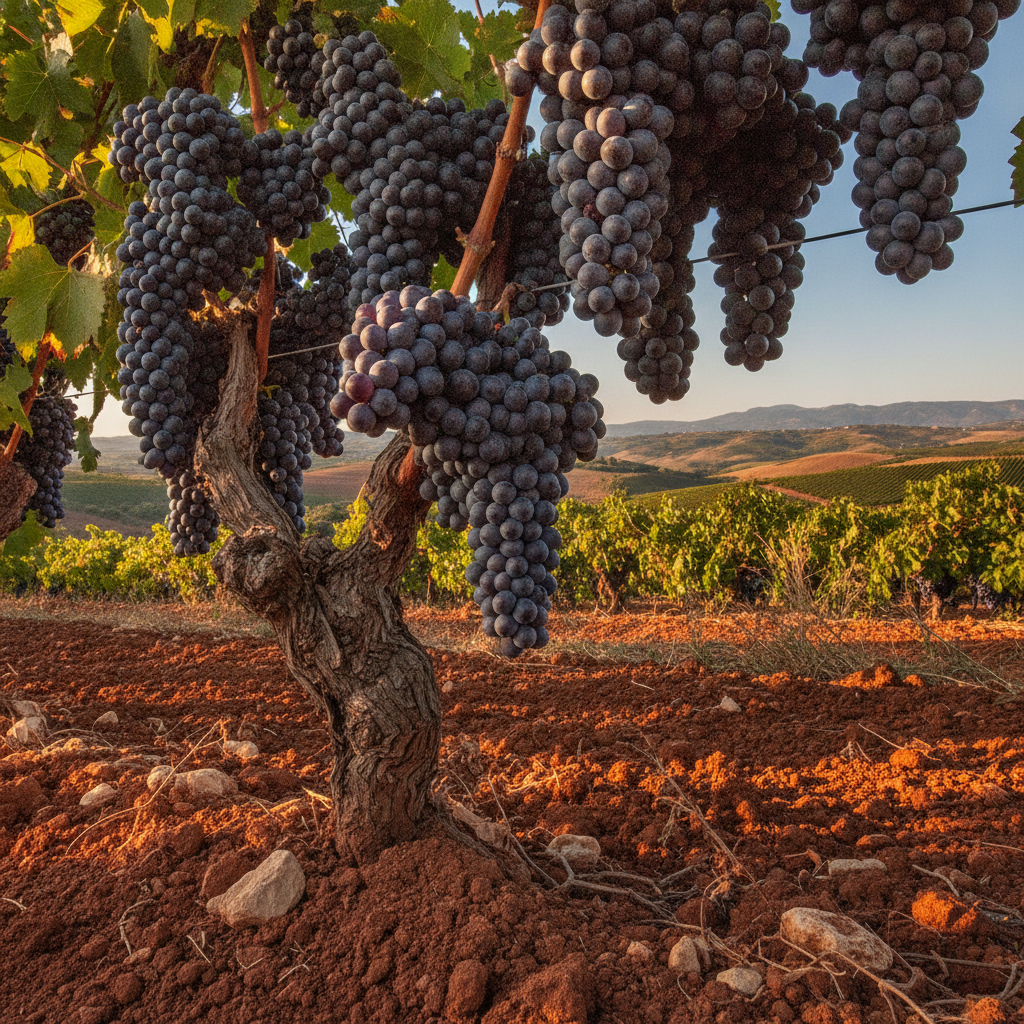
The undisputed protagonist of Sicily's oenological renaissance is Nero d'Avola. This native grape variety has demonstrated an extraordinary ability to express itself, both as a single varietal and in blends with international grapes. It lends wines a distinctive chromatic appearance and a typicity linked to Mediterranean flavors, making them unique in the global market.
What are the Organoleptic Characteristics of Sicilian Red Wines?
Sicilian red wines, influenced by volcanic soils and the Mediterranean climate, exhibit a bright red color, finesse, body, and robustness. On the nose, aromas of plums, blackcurrants, and raspberries are perceived, with a slight astringency. Barrel aging can add notes of mint, coffee, and vanilla. The bouquet is original and fine, with notes of berries and sweet spices. On the palate, they are light, round, and velvety, with fine tannins.
What are the Alcohol Content and Acidity Parameters for Sicilian Red Wines?
Sicilian red wines can reach a maximum total alcoholic strength of 15% vol, with a minimum actual strength of 9.0% vol. The minimum total acidity is 4.5 milliequivalents per liter, with a maximum volatile acidity of 20 milliequivalents per liter. For export, it is crucial that the overall acidity does not exceed 6 per mille to be appreciated by foreign markets.
How Do Sicilian Red Wines Adapt to International Market Demands?
Historically, Italian wines have sometimes been perceived abroad as too acidic. To succeed in international markets, it is crucial to balance acidity and ensure a palatable flavor profile. The choice of grape varieties and winemaking techniques play a fundamental role in this, highlighting the unique characteristics of Nero d'Avola and the terroir.

What Regulations and Documentation are Necessary for Wine Export?
Each destination market has specific regulations for wine import. Indication of the country of origin is often mandatory for export. It is essential to align labeling and documentation with the importer to comply with local laws, such as the Liquor Products Act. Managing logistical documentation, including certificates like the EUR1 for duty exemption and certificates of analysis, is a critical aspect.
How to Position Sicilian Red Wines in the International Market?
Italian wine enjoys a historical leadership position. For Sicilian red wines, a medium-to-high-end positioning, where demand is growing, can be a winning strategy. Highlighting the unique characteristics of Nero d'Avola and the Sicilian terroir is fundamental to differentiate from the competition and conquer global markets.
What is the Role of Barrel Aging for Nero d'Avola?
Barrel aging, a practice with historical roots, can enrich the profile of Nero d'Avola, granting it complexity and longevity. The influence of international styles has led to an evolution of this practice. It is important that the use of wood is calibrated so as not to mask the fruity and Mediterranean notes that characterize this native grape variety.
Frequently Asked Questions
What are the main challenges in exporting Sicilian red wines?
The main challenges include adapting the flavor profile to foreign preferences, managing the specific regulations of each destination market, and ensuring correct logistical documentation.
How do Sicilian red wines differ from other international red wines?
They differ in their unique organoleptic characteristics, influenced by the Sicilian terroir and native grape varieties like Nero d'Avola, which imparts distinctive Mediterranean notes and a bright red color.
Is it necessary to comply with specific labeling regulations for Sicilian red wines abroad?
Yes, it is essential to align labeling and documentation with the importer to comply with local laws of the destination country, which may differ from those of the domestic market.
Exporting Sicilian red wines represents a significant growth opportunity. Understanding the territory's specificities, valuing native grape varieties like Nero d'Avola, and carefully navigating international regulations are fundamental steps for success. Sicily offers an invaluable oenological heritage, capable of conquering the most discerning palates globally.