Extra Dry Wine Abroad: Requirements and Strategies for Italian Producers' Success
Wines Export Editorial · Last updated:
The term "Extra Dry" in wine evokes elegance, but for Italian wineries aiming for export, this designation implies precise technical and strategic requirements. Understanding its meaning and implications for international markets is crucial for effective positioning. This article guides wineries through the nuances of Extra Dry, export procedures, and commercial opportunities, with a focus on the needs of foreign buyers.
Italian wine export is a vital sector, but global competition demands a clear understanding of classifications and regulations. The "Extra Dry" designation is not just an indicator of sweetness, but a factor influencing consumer perception and market expectations. We will explore the technical meaning, export implications, and necessary procedures to bring Italian Extra Dry wine to new commercial horizons. Deep Dive: OIV — International Organisation of Vine and Wine.
What Does "Extra Dry" Mean in Wine?
"Extra Dry" refers to the residual sugar content, indicating an intermediate level of sweetness. It is not completely dry, but sweeter than "Brut" and less sweet than "Dry" or "Demi-Sec." For sparkling and semi-sparkling wines, European regulations define a typical range of 12-17 grams of residual sugar per liter.
This balance between freshness and subtle sweetness makes Extra Dry accessible to a broad audience. The perception of sweetness can vary based on acidity and carbon dioxide, which can enhance the sensation of freshness. Production requires meticulous control of fermentation and dosage to achieve the desired profile.
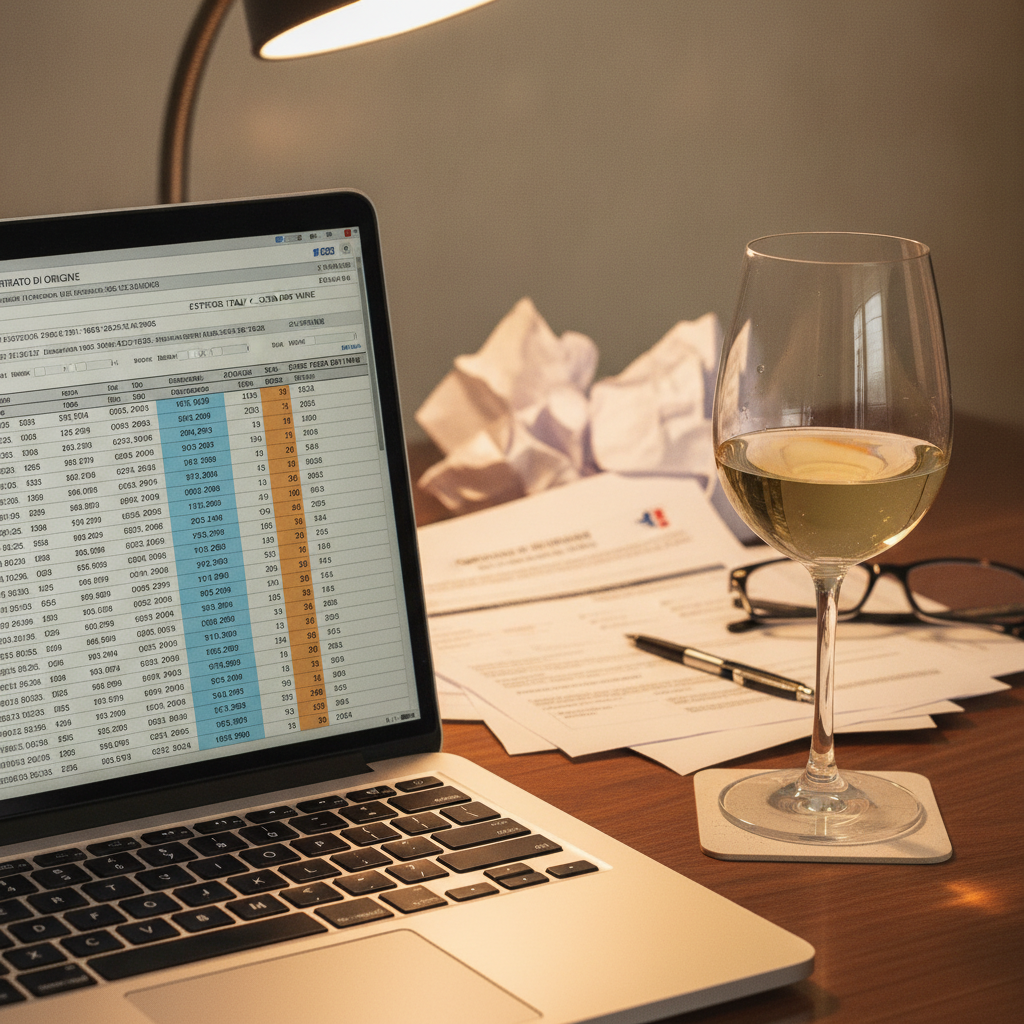
What Are the Key Markets for Italian Extra Dry Wine?
The American market is a significant outlet for Italian wine. While "Brut" is widespread, interest in softer options is growing, creating space for "Extra Dry." Labeling must comply with TTB (Alcohol and Tobacco Tax and Trade Bureau) requirements. Preparing materials in English, such as technical data sheets and FCA/FOB price lists, is essential for initial contact.
Within the European Union, customs procedures are simplified, but excise and labeling regulations are crucial. Countries like the Netherlands require complete documentation, including the export invoice and the EMCS (Excise Movement and Control System) accompanying document (e-AD). Emerging markets in Asia, South America, and Africa present unique challenges and opportunities, requiring a thorough understanding of local preferences and import regulations.
How to Strategically Position an Italian Extra Dry Wine?
Italian "Extra Dry" wine can be positioned in a mid to high-end market segment, where demand for quality products with a balanced taste is growing. Communicating added value, including winery history, terroir, and production techniques, is fundamental for differentiation.
Italian wine enjoys a historic leadership position, especially in sparkling wines, with a significant value share in key markets. This advantage can be leveraged through the rigorous selection of distributors and a clear understanding of the local market.
What Documents Are Necessary for Exporting Wine?
Wine export requires careful documentation management. The Commercial Invoice, which is mandatory, details the product, quantity, value, and delivery term (Incoterm), along with the HS code (chapter 2204). A Proforma Invoice is useful for preliminary negotiations.
The Packing List describes the physical content of the packages, corresponding to the commercial invoice. Transport documents vary by mode (e.g., Bill of Lading for sea freight, CMR for road freight). In EU markets, the electronic EMCS accompanying document is crucial for transfers under duty suspension. Quality and Origin Certificates can enhance credibility.
What Are the Operational Phases of Wine Export?
The export process begins with buyer contact and qualification, verifying solvency and licenses. This is followed by the commercial offer and negotiation, based on the proforma invoice. Shipment preparation requires complete documentation that complies with destination regulations.
Subsequent stages include customs clearance, with the payment of duties and taxes, and final delivery. Preparing materials in English, verifying label conformity (e.g., TTB for the USA), and clarity on MOQs, formats, and production times are critical steps before initiating commercial contacts.
Frequently Asked Questions About Extra Dry Wine Export
What are the main differences between Brut and Extra Dry for a foreign buyer? A foreign buyer might perceive Brut as drier and more pungent, while Extra Dry offers a slightly more pronounced sweetness, making it more accessible to palates that prefer a less sharp taste.
Is a distributor with an active wholesale license necessary to export to Europe? Yes, to export to Europe and manage customs procedures and excise duties, it is essential to collaborate with local partners who hold the necessary licenses, such as a distributor with an active wholesale license.
What are the labeling requirements for the US market? For the US market, wine labeling must comply with the specific requirements of the TTB (Alcohol and Tobacco Tax and Trade Bureau), which include precise information on alcohol content and origin.
How can I verify the compliance of my labels for a specific market? Verifying label compliance for a specific market requires consulting local import regulations and, if necessary, seeking support from specialized consultants or the customs authorities of the destination country.
Italian "Extra Dry" wine offers an excellent export opportunity due to its versatile flavor profile and growing global demand. Success in international markets depends on understanding the specificities of