Tasting Langhe Wines: Preparing for the International Market
Wines Export Editorial · Last updated:
The Langhe region, with its rich viticultural biodiversity, offers prestigious wines ideal for export. Tasting these wines is an essential tool to understand and enhance their unique characteristics, making them desirable in international markets. For Italian wineries aiming for global reach, mastering tasting and product presentation is a crucial step in building a successful export strategy and effectively communicating the value of the territory and its production. In-depth look: OIV — International Organisation of Vine and Wine.
How is the Quality of a Langhe Wine Assessed?
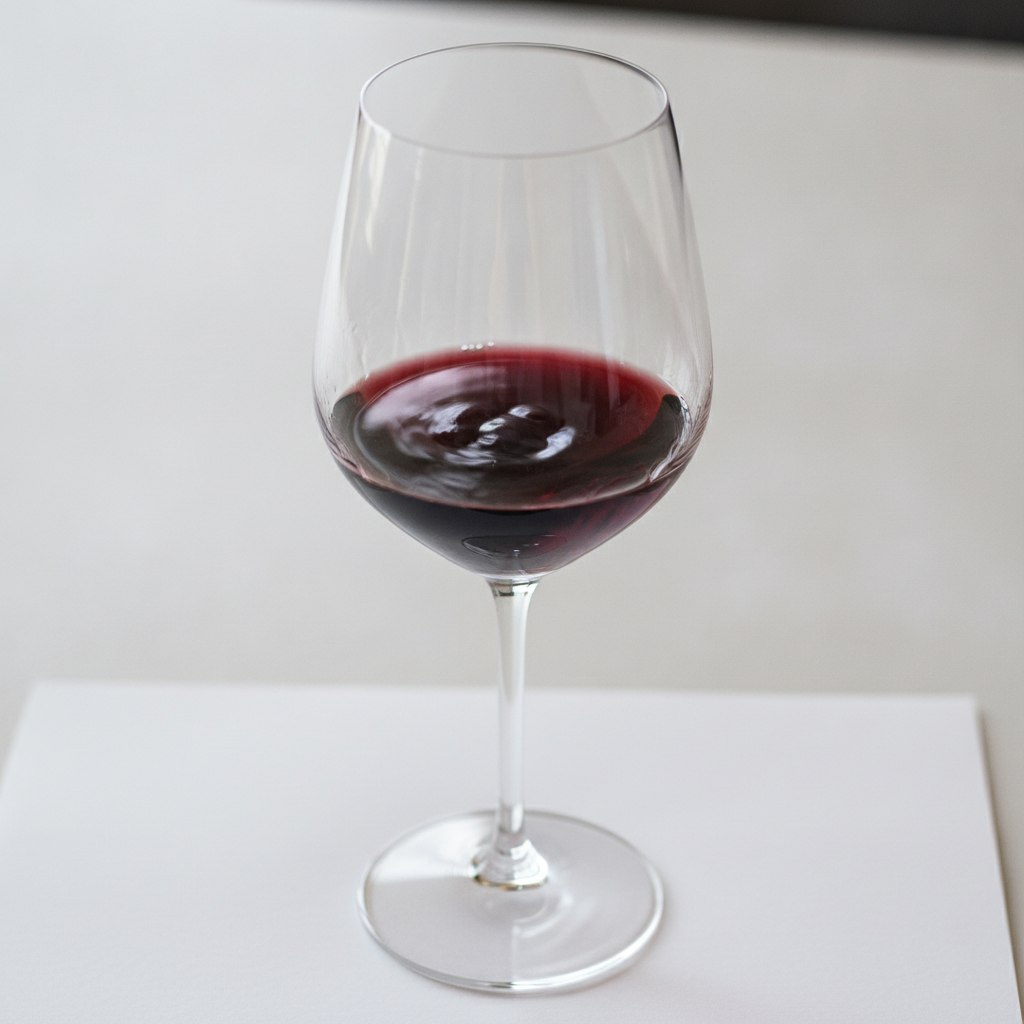
Assessing a Langhe wine, such as Barolo or Barbaresco, goes beyond just taste. It involves a multisensory analysis encompassing sight, smell, and taste-touch to discern structure, balance, and persistence. OIV (International Organisation of Vine and Wine) standards define key descriptors to identify defects, ensuring clear and scientific communication preferred by foreign buyers.
The visual, olfactory, and gustatory-tactile examination provides crucial information. Color, clarity, visual intensity, olfactory complexity, aromatic notes, and gustatory characteristics such as sweetness, acidity, tannins, and body are all elements to consider. These descriptors help identify potential defects, even when the wine is chemically compliant with legal limits.
Why is Tasting Fundamental for Export?
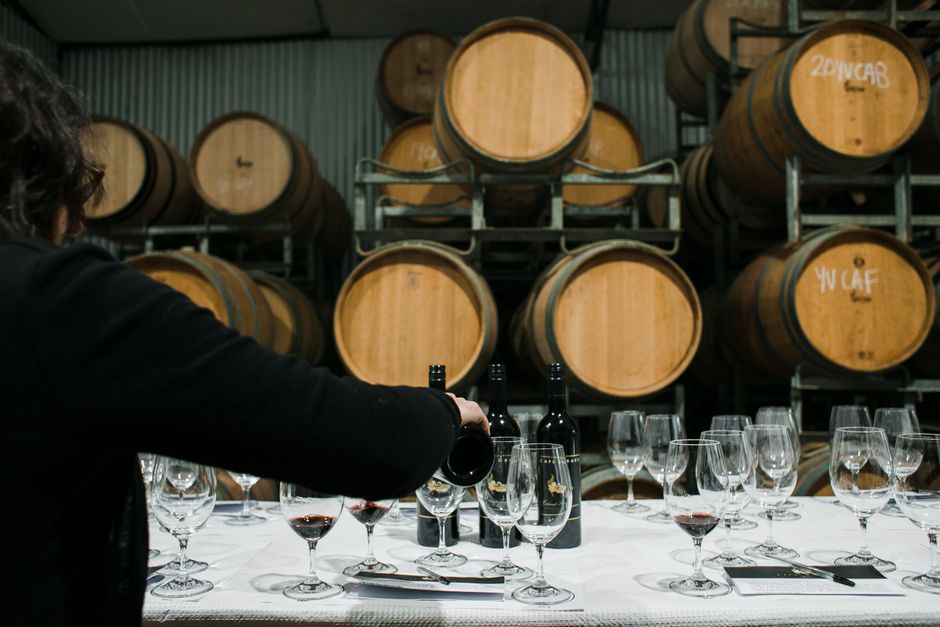
Tasting, guided by experts, is a valuable tool for export. It allows for the selection of wines with the greatest potential for specific markets, the preparation of accurate and persuasive informational material, and the effective communication of the distinctive value of Langhe wines compared to other offerings.
Understanding the nuances of tasting helps identify the wines most suitable for export, ensuring that technical data sheets and marketing materials reflect the expectations of international buyers. This process supports the enhancement of product uniqueness and the construction of a compelling narrative for foreign markets.
What Do International Buyers Seek in Langhe Wines?
International buyers are increasingly discerning and seek not only quality but also authenticity and reliability. For Langhe wines, this translates into specific expectations related to the territory, product consistency, and appropriate market positioning.
1. Authenticity and Terroir: What is the Story Behind the Wine?
International buyers desire wines that tell a story, an authentic expression of their territory. The Langhe, with its winemaking tradition and native grape varieties like Nebbiolo, offers fertile ground for this narrative. Communicating the specificity of the terroir and the agricultural practices that preserve its integrity is a fundamental distinguishing factor for winning over these markets.
2. Consistent Quality and Reliability: Can I Count on This Supplier?
Export requires a long-term commitment and reliable suppliers. Buyers need consistent quality vintage after vintage and a solid winery in terms of production and logistics. The presence of quality certifications and the ability to provide accurate documentation are essential for building trust and ensuring compliance.
3. Appropriate Market Positioning: Where Does This Wine Fit?
Depending on the market, Langhe wines can find space in various price segments and distribution channels. For example, in markets like Ukraine, a medium-high positioning is suggested. In the United States, it is crucial to have materials in English, verify label compatibility with TTB requirements, and clarify MOQs and production times. Exporting "fine" and "well-prepared" products is key to success.
4. Regulatory and Documentation Compliance: Does the Wine Comply with Local Laws?
Each market has its own rules. Wineries must be prepared for labeling requirements, customs regulations, and product specifications. Collaboration with entities like ICE (Italian Trade Agency) is fundamental for navigating these complexities and ensuring all necessary documentation is in order.
How Does Wines Export Support Langhe Wineries in Export?
Wines Export offers strategic and operational support to wineries looking to expand their presence in international markets. Understanding tasting dynamics and international buyer expectations is only part of the process. Our expertise helps wineries identify the most promising markets, navigate regulatory complexities, and select appropriate distribution channels.
Tasting Langhe wines is an art that, when well understood and communicated, becomes a powerful tool for conquering new markets. Wines Export stands alongside Italian wineries to transform this oenological excellence into global success, enhancing the uniqueness of their wines through effective communication that starts with tasting and reaches the final buyer.
Frequently Asked Questions
What are the international standards for wine tasting?
International standards for wine tasting are defined by organizations such as the OIV (International Organisation of Vine and Wine) and the WSET (Wine & Spirit Education Trust). These standards define key descriptors for visual, olfactory, and gustatory-tactile examination, helping to objectively and scientifically assess quality and identify potential defects.
How can I ensure my Langhe wines comply with the regulations of a foreign market?
To ensure the regulatory compliance of a Langhe wine in a foreign market, it is essential to research the specific requirements of that country regarding labeling (e.g., country of origin, sulfite declaration), customs regulations (e.g., EUR1 certificates, customs declarations), and product specifications. Collaboration with agencies like ICE can provide valuable support in this process.
What are the main factors influencing the market positioning of Langhe wines abroad?
The market positioning of Langhe wines abroad is influenced by several factors, including the desired price segment, available distribution channels (Horeca, retail, e-commerce), the intrinsic characteristics of the wine (quality, type), the story and authenticity of the territory, and the winery's ability to effectively communicate these elements.