Orange Wine: How Italian Wineries Can Conquer Foreign Markets
Wines Export Editorial · Last updated:
Orange wine, a growing category, presents a significant opportunity for Italian wineries looking to expand their presence in international markets. Its uniqueness, stemming from a particular winemaking process, requires in-depth understanding to be effectively communicated to foreign buyers. This article explores the distinctive characteristics of orange wine, the most suitable export strategies, and the crucial logistical and documentary aspects for success. In-depth: OIV - International Organisation of Vine and Wine.
What is Orange Wine and Why is it Interesting for Export?
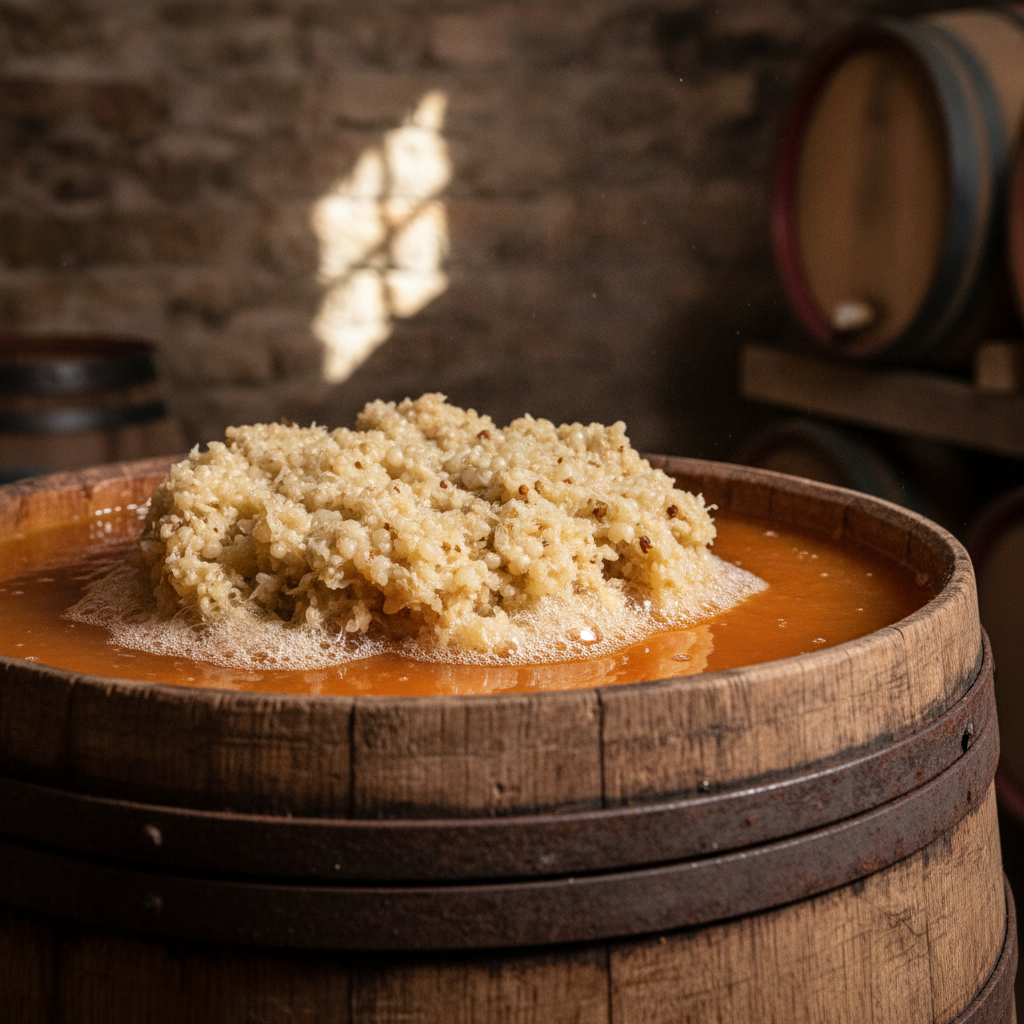
Orange wine, also known as amber wine or macerated wine, is distinguished by a production method involving prolonged contact between white grapes and their skins. This process, similar to that for red wines, extracts color, tannins, and aromatic compounds, giving the wine a unique profile. The result is a wine with hues ranging from golden yellow to deep orange, with complex aromas of dried fruit, spices, and herbs, and a more pronounced tannic structure than traditional whites. These characteristics make it a niche product, sought after by consumers and importers looking for novelty and wines with a strong identity. Italy, with its vast range of grape varietals and winemaking tradition, is well-positioned to capitalize on this trend.
How is Orange Wine Produced?
The origins of orange wine date back to ancient traditions, such as those in Georgia which used qvevri, buried terracotta amphorae. Today, the technique has been adapted, but the basic principle remains the extraction of color, tannins, and aromas from the solid parts of the grape. For grapes like Inzolia and Zibibbo, maceration can last from a few weeks to several months, followed by aging on fine lees. This process generates a wine with a brilliant orange color, an intense bouquet of citrus, tropical fruits, and spices, and a full body with balanced acidity. Transparency about the production process, including the duration of maceration and aging, is fundamental to educate the market and highlight the product's specificity, especially for market segments attentive to organic or vegan certifications.
Which Foreign Buyers Should I Target for My Orange Wine?
To successfully export orange wine, it is essential to identify importers specializing in niche or innovative wines. These buyers are often active in the Horeca (Hotel, Restaurant, Catering) channels or in specialized wine shops. Finding an importer with a wholesale license and a consolidated distribution network is a crucial step. It is important that these partners understand and can leverage the unique characteristics of orange wine, communicating its production process and distinctive organoleptic profile to end consumers.
What Documents Are Required to Export Orange Wine?
Correct documentation is vital for every international shipment of orange wine. Universal documents include the Commercial Invoice, which must detail the product, quantity, value, and HS code (chapter 2204 for wine). The Packing List, which itemizes the contents of each package, is equally important. The Proforma Invoice is useful for preliminary negotiations. Depending on the destination country, additional documents may be required, such as certificates of analysis or electronic transport documents (e-AD) for movements under excise duty suspension. Verifying the specific requirements of the target market is fundamental to avoid delays or disputes.
How Can I Present My Orange Wine to Foreign Markets?
To effectively address the foreign market, it is essential to have professional communication materials in English. This includes detailed technical data sheets emphasizing the unique aspects of the winemaking process and the distinctive tasting notes of the orange wine. Winery presentations, price lists (FCA/FOB), and high-quality images of the labels are equally important. To strengthen credibility, it is useful to present references, awards received (guides, scores), or presence in other export markets. Creating specific company case studies, based on press releases or interviews, can provide concrete and verifiable examples of your wine's success.
Which Foreign Markets Are Most Promising for Orange Wine?
While traditional markets may present challenges, exploring emerging or niche markets offers new opportunities for orange wine. Central-Eastern Europe, where Italian wine already enjoys a competitive position, can be an interesting area. The general trend of diversifying Italian wine exports towards new markets, which already surpassed 400 million euros in 2025, indicates growth potential for innovative products like orange wine. It is crucial to carefully evaluate local regulations, customs duties, and consumer preferences in each potential market.
Frequently Asked Questions
What are the main differences between orange wine and traditional white wine?
Orange wine is distinguished by the prolonged maceration of white grapes with their skins, which imparts more intense and complex color, tannins, and aromas compared to traditional white wines.
Is a specific certification process required for exporting orange wine?
There is no specific certification for "orange wine" itself, but certifications like organic or vegan can increase the product's appeal in certain markets.
What are the labeling requirements for orange wine in foreign markets?
It is essential to verify the compatibility of the label with the specific regulatory requirements of the destination country, such as the TTB in the USA, to avoid customs issues.
Orange wine represents a dynamic and growing market segment, offering Italian wineries the opportunity to stand out and highlight their capacity for innovation. Understanding the technical specificities, adopting targeted marketing strategies, and precisely managing logistics and documentation are fundamental steps to successfully tackle the export of this fascinating wine. The richness of Italian terroir and winemaking mastery are the perfect foundations for conquering new palates worldwide with orange wine.
To start or expand your export strategy in the orange wine sector, Wines Export offers comprehensive support. Request a personalized demo to discover how we can help you navigate the complexities of the international market and find the right buyers for your wines.
- Pas Dosé: Exporting Quality Italian Sparkling Wines
- Exporting Gran Cuvée: A Guide for Italian Wineries
- Wine Export: Stem Management for Quality
- The Tuscan 'Governo All'Uso Toscano': Exporting Italian Wines
- Exporting Italian Wine: A B2B Operational Guide
- Exporting Italian Sparkling Wine: A Practical Guide