The Stem in Wine: Key to Export Excellence
Wines Export Editorial · Last updated:
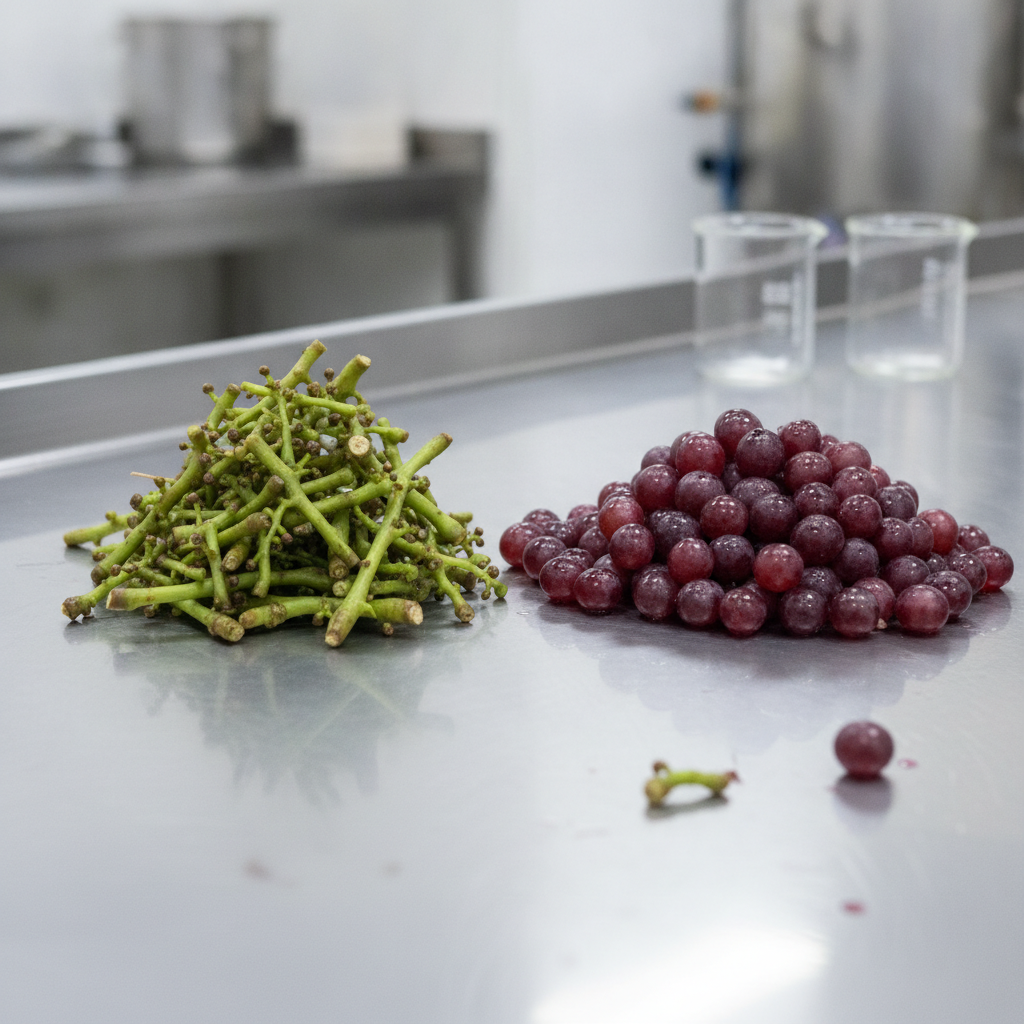
The stem, that small woody appendage connecting the grape cluster to the vine, is an often-overlooked element in enological discussions. However, its management and characteristics can have significant implications for wine quality and, consequently, for its attractiveness in international markets. For Italian wineries aiming for export, a thorough understanding of this aspect, including its technical and cultural dimensions, can make a crucial difference in product positioning and perception abroad. This article explores the significance of the stem in the context of Italian wine export, analyzing its influences on winemaking and potential repercussions in foreign markets, based on available information and market practices. Learn more: OIV — International Organisation of Vine and Wine.
How Does Stem Management Affect Winemaking?
The stem, while a vegetative part of the vine, is generally not vinified with the grapes. Its removal, a process known as destemming or crushing-destemming, is a common practice in modern winemaking. However, its presence or absence, and how it is managed, can influence several aspects of the must and the resulting wine.
Tannins and Wine Structure
The stem contains tannins, though in different quantities and qualities compared to grape skins. Incomplete destemming or the intentional inclusion of a small percentage of stems can introduce tannins into the must. These tannins, if managed well, can contribute to the wine's structure and complexity. However, excessive or astringent tannins can be perceived negatively by foreign markets, which often favor softer, rounder wines.
Impact on Wine Acidity
The chemical composition of the stem, including its acidity, can influence the acidic profile of the must. While grapes are the primary source of acidity in wine, residual elements from the stem can also contribute. Acidity is fundamental for wine balance and preservation, but excessive or unbalanced acidity can make a wine harsh and unpalatable. This is an aspect frequently highlighted in critiques by foreign consumers and importers. Excessive acidity (above 6 g/L of total acidity) is a constant criticism foreigners level at Italian wines.
Influence on Aromas and Bouquet
Stem management can also affect the wine's aromatic profile. Accurate destemming helps prevent the extraction of undesirable compounds that could impart unwanted vegetal or herbaceous notes. Conversely, in some production philosophies, partial maceration with the stems can be used to add aromatic complexity, but this requires meticulous control to avoid "green" aromas.
How Does Stem Management Affect Wine Perception in Foreign Markets?
Stem management, though a technical detail, reflects in the final quality of the wine and, therefore, in its presentation in international markets. Several export-related factors make it important to consider this aspect.
International Quality Standards and Taste Preferences
Target markets for Italian wine have well-defined quality standards and taste preferences. Excessive astringency or unbalanced acidity, potentially linked to suboptimal stem management, can be an obstacle to wine acceptance. For example, the criticism of wines being "too acidic, tart, and rough" by foreigners underscores the importance of balance sought at every production stage.
Mid-to-High Tier Positioning
Many destination markets, such as Ukraine or the United States, see growing demand for Italian mid-to-high tier wines. In this segment, consumers and importers are more attentive to qualitative details and product finesse. A wine with well-integrated tannic structure and balanced acidity, resulting from careful winemaking, will have a greater chance of success compared to one perceived as rough or aggressive.
Regulatory and Labeling Requirements
While the stem itself is not subject to specific export regulations, its influence on wine composition can have indirect repercussions. For instance, TTB (Alcohol and Tobacco Tax and Trade Bureau) requirements in the USA pertain to the chemical composition and labeling of wine. A wine with an unbalanced chemical profile, potentially influenced by inadequate destemming, might face difficulties in meeting certain standards.
Diversification of Export Markets
Italy is actively seeking to diversify its export markets, exploring emerging areas like Ecuador, Albania, or Hungary. In these markets, the perception of Italian wine may still be in development, and presenting a high-quality product, refined in every technical detail, is fundamental for building a solid reputation.
What to Do to Optimize Stem Management for Export?
For Italian wineries wishing to optimize their export offerings, stem management and its influence on wine quality should be considered an integral part of a broader production and marketing strategy.
Optimize Destemming
Ensure destemming equipment is efficient and well-calibrated. Evaluate the phenolic maturity of grapes and stems to decide whether to proceed with complete, partial destemming, or, in specific cases and with great caution, partial maceration with stems. The goal is to avoid introducing green or astringent tannins and maintain balanced acidity.
Monitor Total Acidity
During winemaking, constantly monitor the total acidity of the must and wine. If values tend to be too high, consider appropriate correction techniques, always respecting the wine's typicity and the destination market's regulations.
Technical Communication for Foreign Markets
Prepare technical material in English (as required for the US market) that can explain enological choices, including destemming management, if it contributes to a distinctive qualitative profile. This can be useful for engaging with more technical importers and buyers.
Market Research on Taste Preferences
Understand target market preferences regarding tannins and acidity. For example, while some markets may appreciate wines with pronounced acidity and structure, others might prefer softer, rounder profiles. In-depth market analysis can provide valuable insights.
Focus on Overall Wine Quality
Remember that the stem is just one of many elements contributing to wine quality. Grape selection, ripeness, fermentation techniques, aging, and bottling all play a crucial role. A holistic approach to quality, considering every detail, is key to export success.
In conclusion, while the stem may seem a minor detail, its management in winemaking has direct implications for the quality of Italian wine destined for export. A winery attentive to these technical aspects, and capable of translating them into a product appreciated in international markets, strengthens its competitive position and contributes to the excellence of "Made in Italy" worldwide.

Frequently Asked Questions
How can the presence of the stem influence the tannins in wine?
The stem contains tannins that, if not adequately removed through destemming, can be extracted into the must. Incomplete management can lead to excessive or astringent tannins, perceived negatively in some foreign markets that favor softer wines.
What is the impact of the stem on the acidity of wine intended for export?
The stem's chemical composition can contribute to the must's total acidity. Unbalanced or excessive acidity, potentially influenced by stem residues, can make the wine tart and unpalatable, an aspect often criticized by foreign consumers and importers.
How does stem management relate to export regulatory requirements?
While there are no direct regulations on the stem, its influence on wine's chemical composition can have repercussions. For instance, TTB requirements in the USA pertain to the wine's chemical composition, and an unbalanced profile, potentially linked to inadequate destemming, might face difficulties in meeting such standards.