Amarone della Valpolicella 2019: An Italian Treasure for the Global Market
Wines Export Editorial · Last updated:
Amarone della Valpolicella DOCG, a dry red wine produced in the province of Verona, represents an Italian excellence sought after by foreign buyers. Obtained from partially dried grapes, this wine stands out for its complexity, structure, and uniqueness. Understanding the specifics of the 2019 vintage, from the production regulations to its organoleptic characteristics, is fundamental to grasping the market opportunities offered by this prestigious wine. Its history, indigenous grapes, and the peculiar drying process define its distinctive character and value on the international stage. In-depth information: Federdoc — National Confederation of Italian Wine Denomination Protection Consortia.
What is Amarone della Valpolicella and Where Does It Come From?
Amarone della Valpolicella is a dry red wine produced in the province of Verona, Veneto, obtained from partially dried grapes. Its name derives from the dialectal term "amaro," used to distinguish it from the sweet Recioto. Its commercialization as Amarone began in 1953, with DOC recognition in 1990 and DOCG in 2009, testifying to its quality and adherence to regulations.
What Grapes Are Used for Amarone and How Is the Drying Process Carried Out?
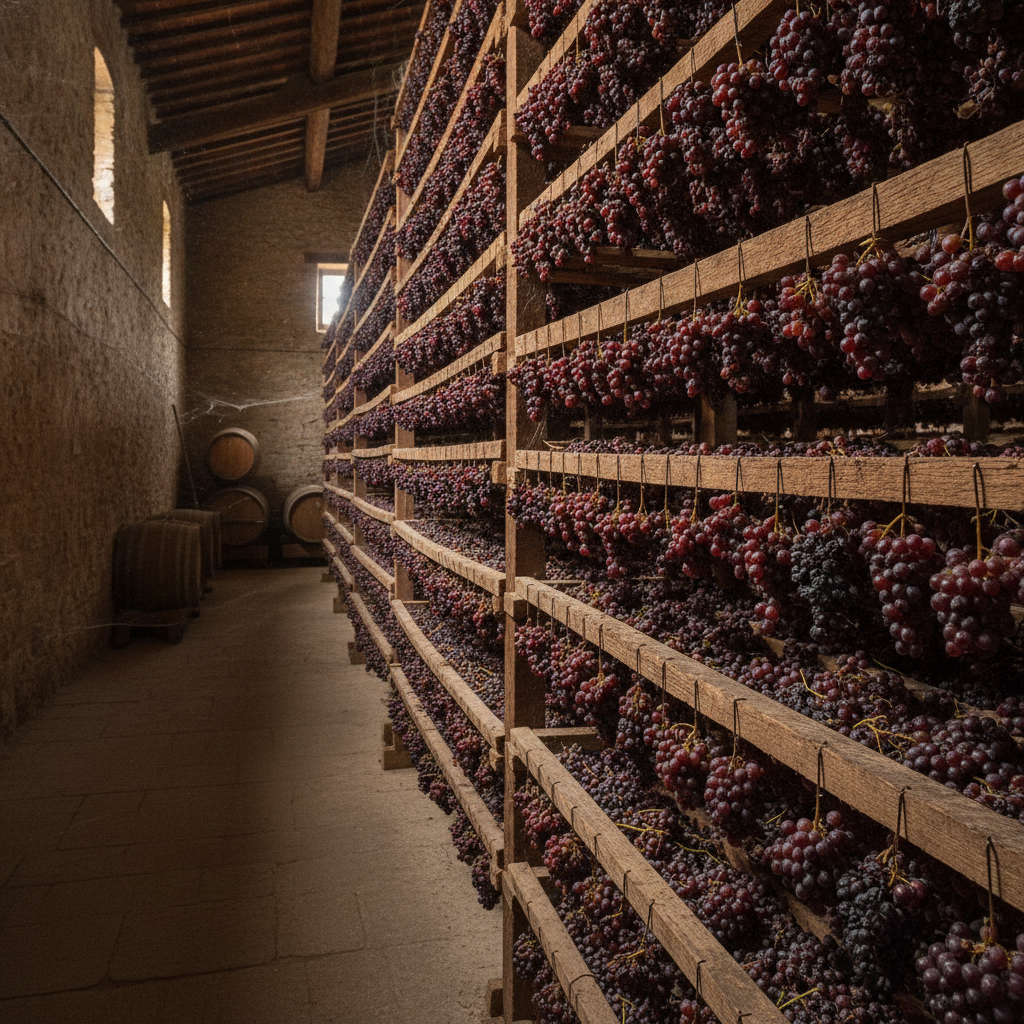
The main grapes are Corvina (45-95%), Corvinone (up to 50%), and Rondinella (5-30%), along with other approved red varieties. The grapes are harvested ripe and left to dehydrate for 2-3 months on trellises or in crates. This process, called "appassimento" or "rasinate," concentrates sugars, acids, and aromas, giving the wine richness, body, and complexity.
What Are the Rules of the Amarone Production Regulations?
The production regulations guarantee the authenticity and quality of Amarone DOCG. They define the geographical production area (Valpolicella, Verona), the permitted grape varieties and their percentages, maximum yields per hectare, and winemaking practices. The grapes must be of the Vitis vinifera species, and the production zone is strictly limited to specific municipalities in Verona.
What Are the Specific Winemaking Practices for Amarone?
After drying, the grapes undergo cold maceration, fermentation, and malolactic fermentation. Aging takes place in oak barrels and barriques for at least 28 months, followed by further refinement in the bottle for at least 2 years. This long maturation process contributes to the wine's complexity, softness, and aging potential.
How Does the 2019 Amarone Vintage Present Itself?
The 2019 vintage was characterized by a balanced climate, with a warm summer and a cool autumn that favored complete ripening. This vintage is appreciated for its structure and longevity potential. Aromas include notes of plums, sour cherries, cocoa, and spices. On the palate, it is full-bodied and dynamic, with integrated acidity and minerality.
What Are the Organoleptic Characteristics of Amarone 2019?
The 2019 Amarone presents a powerful and concentrated taste, with notes of black fruit, spices, and tobacco. The tannins are present but well-integrated, and the finish can have menthol notes, suggesting long aging. Angelo Peretti noted differences between the valleys, with cherry notes in Sant'Ambrogio and Negrar, tart fruit in Marano, and a granular tannic texture in Valpantena.
Why Are Foreign Buyers Interested in Amarone?
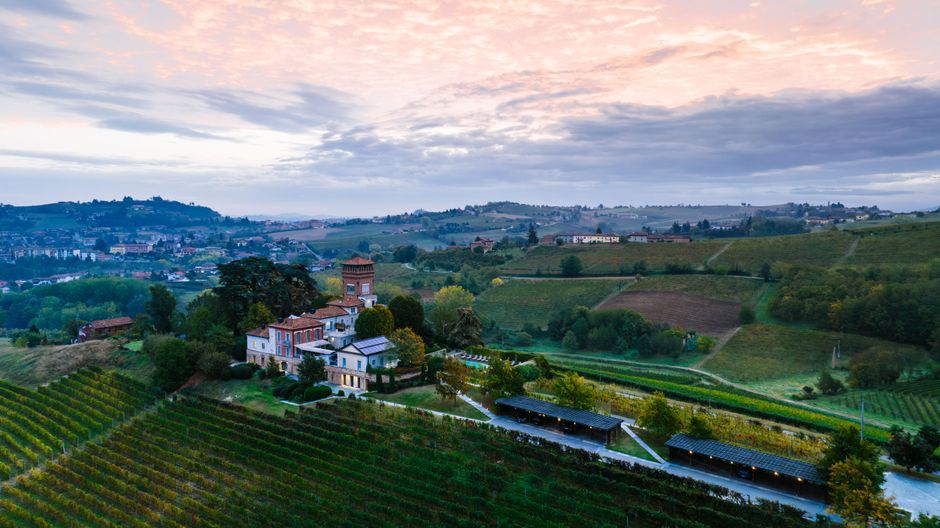
International buyers seek Amarone for its prestige and authenticity, conferred by the DOCG appellation and the unique drying process. Its complexity, aging potential, gastronomic versatility (it pairs well with red meats, game, aged cheeses, and chocolate), and the rich history and tradition of Valpolicella make it an exclusive and appreciated wine. The 2019 vintage, with its balance and potential, is an excellent opportunity for foreign markets.
Frequently Asked Questions
What is the difference between Amarone and Recioto della Valpolicella?
Amarone is a dry red wine made from partially dried grapes, while Recioto della Valpolicella is a sweet wine, also produced from dried grapes, but with a process that preserves its sweetness.
How long can an Amarone della Valpolicella age?
Thanks to its structure, concentration, and long aging, Amarone has significant aging potential, capable of evolving positively for many years in the bottle.
What are the main export markets for Amarone?
The original text does not specify the main export markets but indicates that international buyers are attracted by its prestige and potential.
The Amarone della Valpolicella appellation is well-represented in our producer pool, with several wineries specializing in the production of this prestigious wine. Our network includes producers who scrupulously follow the DOCG regulations, ensuring the authenticity and quality that foreign buyers seek.