Amarone della Valpolicella: Discover its Export-Ready Characteristics
Wines Export Editorial · Last updated:
Amarone della Valpolicella Classico stands as a flagship wine within Italy's enological heritage, globally revered for its complexity and its deep connection to a specific territory. Its production, governed by precise regulations and traditional methods, makes it a product of considerable interest for international markets. This article focuses on the distinctive characteristics of this DOCG, its stringent production rules, and the expectations of international importers regarding this premium wine. Further insight: Federdoc - National Confederation of Italian Wine Denomination Protection Consortia.
What are the Historical Origins of Amarone della Valpolicella?
Amarone della Valpolicella has its roots in the ancient Valpolicella region, in the province of Verona. The name derives from the term "amaro" (bitter), used to distinguish it from the sweet Recioto. As early as the 6th century, a wine made from dried grapes was mentioned, and in the 1st century BC, references were made to "bitterer wines," which are considered possible precursors to Amarone. Its commercialization as "Amarone della Valpolicella" began in 1953.
When Did Amarone della Valpolicella Achieve DOCG Status?
Amarone della Valpolicella was recognized as a Denominazione di Origine Controllata (DOC) in December 1990. Subsequently, it attained the highest quality recognition, earning Denominazione di Origine Controllata e Garantita (DOCG) status on December 4, 2009, underscoring its importance and the necessity for strict adherence to production standards.
What is the Production Zone for Amarone della Valpolicella DOCG?
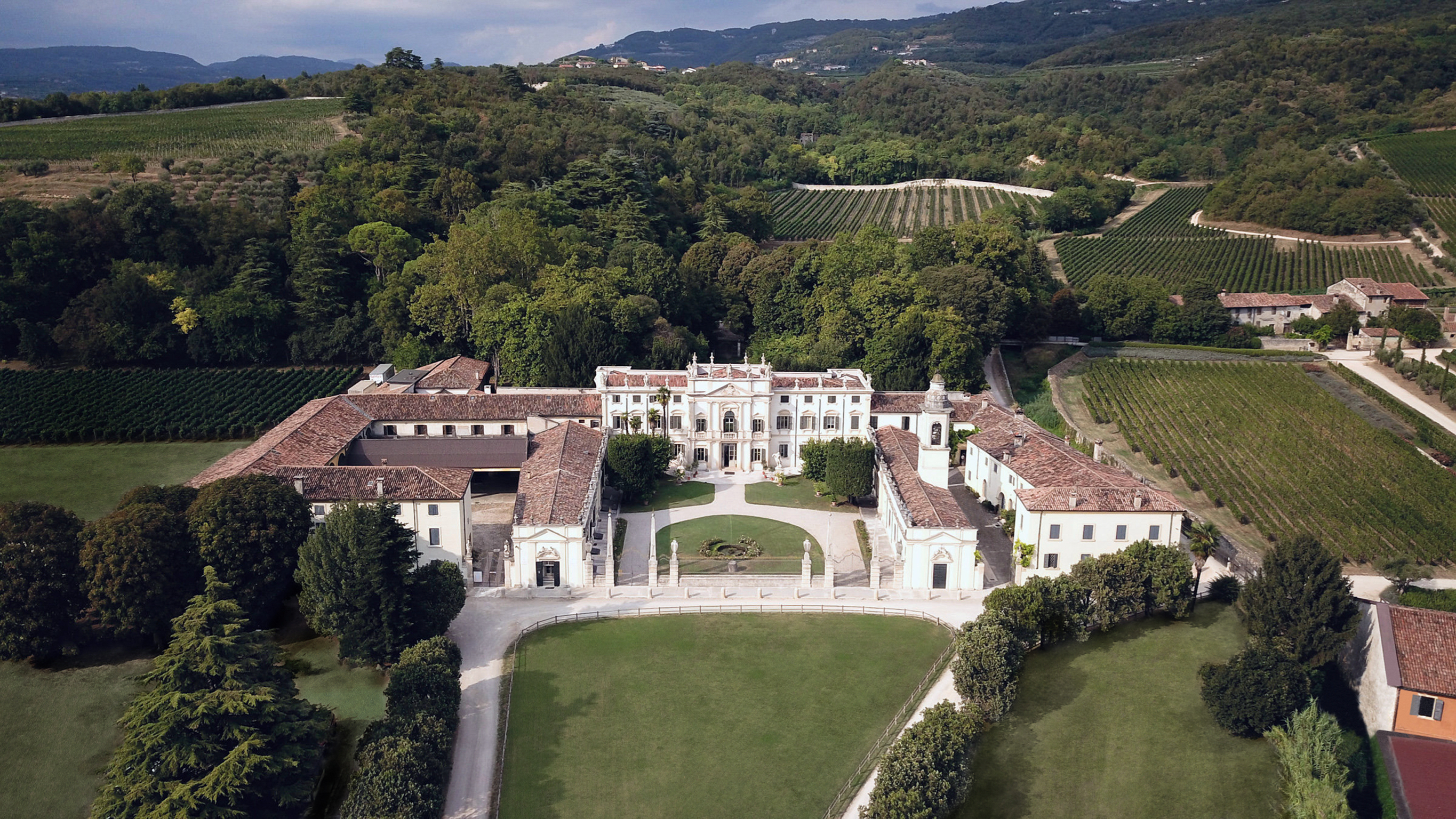
The production zone for Amarone della Valpolicella DOCG is situated within the province of Verona. It encompasses several municipalities, including Marano, Fumane, Negrar, Sant'Ambrogio, and San Pietro in Cariano, which are considered the historical heart of the denomination. The "Classico" designation is reserved for wines originating from these municipalities, emphasizing a connection to tradition and a specific territorial vocation.
Which Grape Varieties are Permitted for the Production of Amarone della Valpolicella Classico?
The production of Amarone della Valpolicella Classico is primarily based on indigenous grape varietals. Corvina Veronese must constitute between 45% and 95% (with the possibility of substituting up to 50% with Corvinone). Rondinella is present from 5% to 30%. The use of other approved indigenous red grape varieties is permitted up to 25% of the total, with specific limitations for non-aromatic varietals and single varietals.
What Does the Grape Drying Technique (Appassimento) for Amarone Entail?
The distinctive technique for Amarone is the appassimento of the grapes, which occurs after the harvest, typically in early October. The bunches are left to dehydrate for 2-3 months, losing up to 40% of their weight. This process concentrates sugars, acids, and phenolic compounds, raising the sugar content to approximately 30%. Appassimento is fundamental in imparting Amarone's power, body, and aging potential.
What are the Organoleptic Characteristics of Amarone della Valpolicella Classico?
Amarone della Valpolicella Classico is distinguished by its intense red color with garnet hues. On the nose, it offers aromas of dried fruit, tobacco, and spices, evolving towards notes of chocolate and sweet undertones. On the palate, it is powerful, concentrated, dry yet smooth, warm, and vigorous, with a strong fruity fragrance. Its longevity is remarkable, often exceeding twenty years of aging potential.
What are the Ideal Food Pairings for Amarone della Valpolicella Classico?
Thanks to its structure and complexity, Amarone della Valpolicella Classico pairs magnificently with robust meat dishes, game, and aged cheeses. It is also appreciated as a meditation wine, to be savored on its own to fully appreciate its nuances.
What Do International Importers Look for When Purchasing Amarone della Valpolicella Classico?
International importers are drawn to Amarone for its international prestige, authentic history, and traditional production techniques such as appassimento. The wine's longevity, its unique organoleptic characteristics, and its versatility in food pairings are key factors. Compliance with DOCG regulations and the "Classico" geographical specificity further enhance its perceived value in the global market.
How Does Wines Export Support the Export of Amarone della Valpolicella Classico?
Wines Export collaborates with Italian wineries specializing in the production of Amarone della Valpolicella Classico. Our network allows us to offer international buyers a curated selection of this prestigious wine, ensuring quality, authenticity, and facilitating market access to Italy for producers.
Frequently Asked Questions
What is the difference between Amarone and Recioto della Valpolicella?
Both Amarone and Recioto della Valpolicella are produced from dried grapes, but they differ in their final taste: Amarone is dry and powerful, while Recioto is sweet and velvety.
How long can an Amarone della Valpolicella Classico age?
Amarone della Valpolicella Classico is known for its exceptional longevity and can be cellared and improve for over twenty years.
Does the "Classico" designation on an Amarone label have special significance?
Yes, the "Classico" designation indicates that the grapes originate from the municipalities historically considered the heart of Valpolicella: Negrar, Marano, Fumane, Sant'Ambrogio, and San Pietro in Cariano. These are areas with an older and more esteemed winemaking tradition.
Amarone della Valpolicella Classico is an expression of Italian winemaking excellence, appreciated worldwide for its history, unique production techniques, and distinctive organoleptic profile. Its compliance with DOCG regulations and its capacity for evolution over time make it a product of great interest for international markets.