Sicilian White Wines: Discover Designations and Target Markets
Wines Export Editorial · Last updated:
Sicily offers white wines of growing international interest, characterized by uniqueness and quality. For Sicilian wineries aiming for export, understanding designations, production regulations, and the specific expectations of foreign buyers is essential. This article guides you through the regulatory aspects, organoleptic peculiarities, and key factors that make Sicilian white wines appealing in global markets, providing a strategic overview for internationalization.
What are the Regulatory Requirements for Wine Designations?
European and national regulations define the requirements for Designations of Origin (DO) and Geographical Indications (IG). A production regulation is fundamental for verifying the production conditions of a specific designation, including its name, wine description, winemaking practices, delimited geographical area, and maximum yields per hectare.
These elements, as specified by sources like Eur-Lex (https://eur-lex.europa.eu/legal-content/IT/TXT/?uri=CELEX:32008R0479, https://eur-lex.europa.eu/legal-content/IT/TXT/?uri=CELEX:32013R1308, https://eur-lex.europa.eu/legal-content/IT/TXT/?uri=CELEX:32024R1143), are crucial for safeguarding the authenticity and reputation of wines, protecting them from misleading uses that could confuse consumers (https://eur-lex.europa.eu/legal-content/IT/TXT/?uri=CELEX:32013R1308).
In exceptional cases, wines of particular prestige from micro-zones within an estate can obtain recognition as a sub-zone, with even more restrictive production regulations, thereby enhancing excellent products that promote the image of Italian wine abroad.
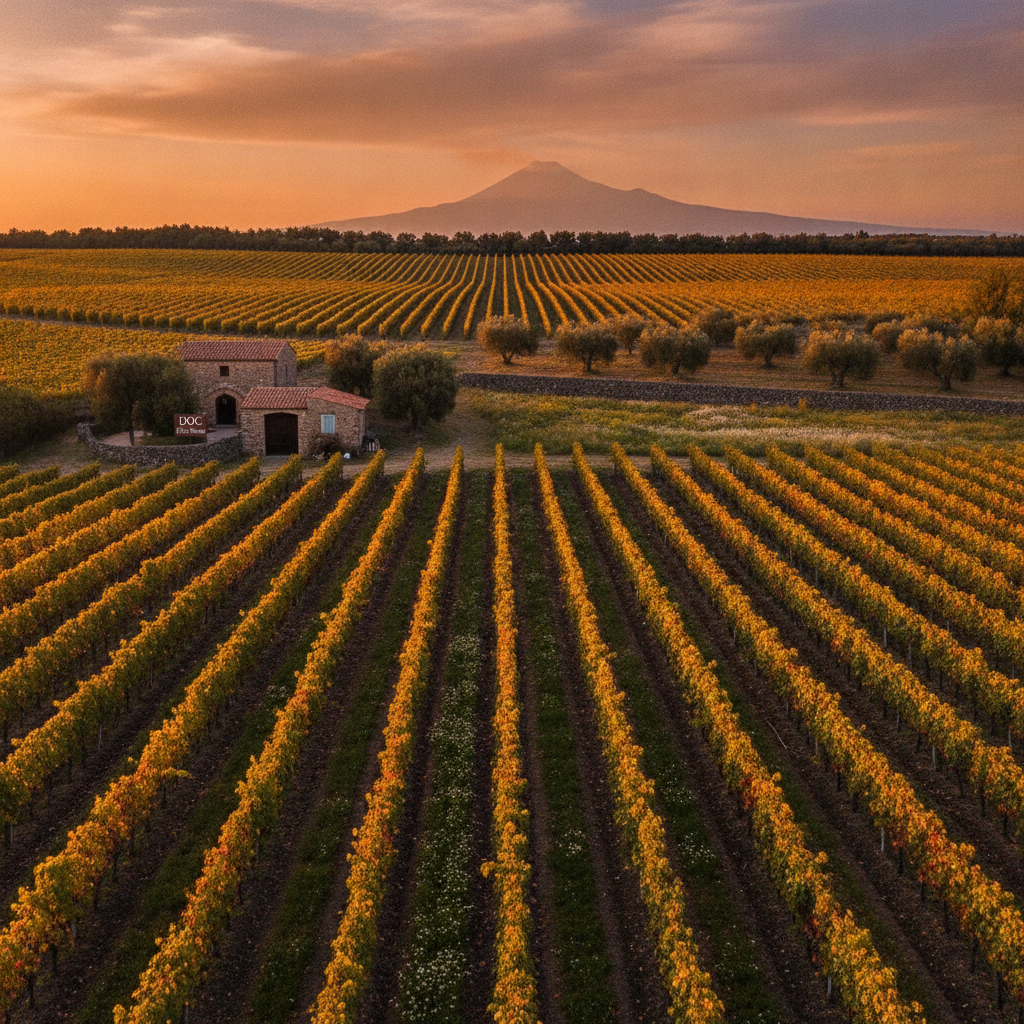
What are the Typical Organoleptic Characteristics of Sicilian White Wines?
Sicilian white wines often exhibit vegetal and herbaceous aromas, floral notes such as rose or acacia, and sometimes spicy hints. The alcohol content can be higher, lending body and structure. Fermentation at low temperatures favors secondary aromas, while aging can develop complex notes of honey and beeswax.
The color ranges from greenish to intense straw yellow, with golden hues intensifying with age. A high extract and glycerol content contributes to a velvety and rich mouthfeel, with possible sweet and sour notes and spiciness on the palate.
What Do Foreign Buyers Look For in Sicilian White Wines?
International buyers seek wines that offer an authentic experience and tell a story. For Sicilian white wines, this translates into highlighting typicity and terroir, with strong interest in native Sicilian grape varietals like Grillo, Inzolia, Carricante, Catarratto, and Zibibbo.
Consistency in quality is paramount, requiring strict adherence to production regulations and constant monitoring of the production process. Aging potential, although many are intended for early consumption, is a plus for some markets.
The ability to communicate the authenticity of the territory and the passion behind the production, coupled with competitive pricing offering excellent value for money, are key factors in attracting the interest of foreign buyers.

How Does Wines Export Support Sicilian Wineries in Export?
Wines Export collaborates with Sicilian wineries operating under various designations, focusing on producers specializing in wines from indigenous grapes like Grillo, Inzolia, and Carricante, often within designations such as Etna DOC, Sicilia DOC, or other regional IGTs. The goal is to offer foreign buyers a comprehensive and diversified overview of the island's enological offerings.
Frequently Asked Questions
What are the main indigenous grape varietals for Sicilian white wines sought by foreign buyers?
Foreign buyers show particular interest in native Sicilian grape varietals such as Grillo, Inzolia, Carricante, Catarratto, and Zibibbo, appreciating their unique aromatic and gustatory profiles.
How important is the Sicilian terroir for white wine export?
The Sicilian terroir is very important, as foreign markets value wines that clearly reflect their place of origin, expressing the island's distinctive character rather than generic wines.
Do Sicilian white wines have aging potential?
While many Sicilian white wines are intended for early drinking, some, particularly those from more structured varietals or from areas with specific microclimates, can benefit from a period of bottle aging.
Sicilian white wines present a significant growth opportunity for the island's wineries, combining a rich winemaking heritage, unique terroir, and growing international interest. Highlighting indigenous varietals and effectively communicating authenticity and quality are crucial steps to earning the trust of foreign buyers.
Are you a Sicilian winery interested in exploring export opportunities for your white wines?