Amarone della Valpolicella: Characteristics and Value for the International Market
Wines Export Editorial · Last updated:
Amarone della Valpolicella is a prestigious Italian red wine, known for its intensity and complexity. For Italian wineries aiming for export and for international buyers seeking high-end products, understanding the specifics of this wine is essential. This article explores the denomination, its production regulations, distinctive characteristics, and the interest it generates in foreign markets, offering a clear guide for those operating in the B2B wine sector. In-depth: Federdoc — National Confederation of Consortia for the Protection of Italian Wine Denominations.
What is Amarone della Valpolicella?
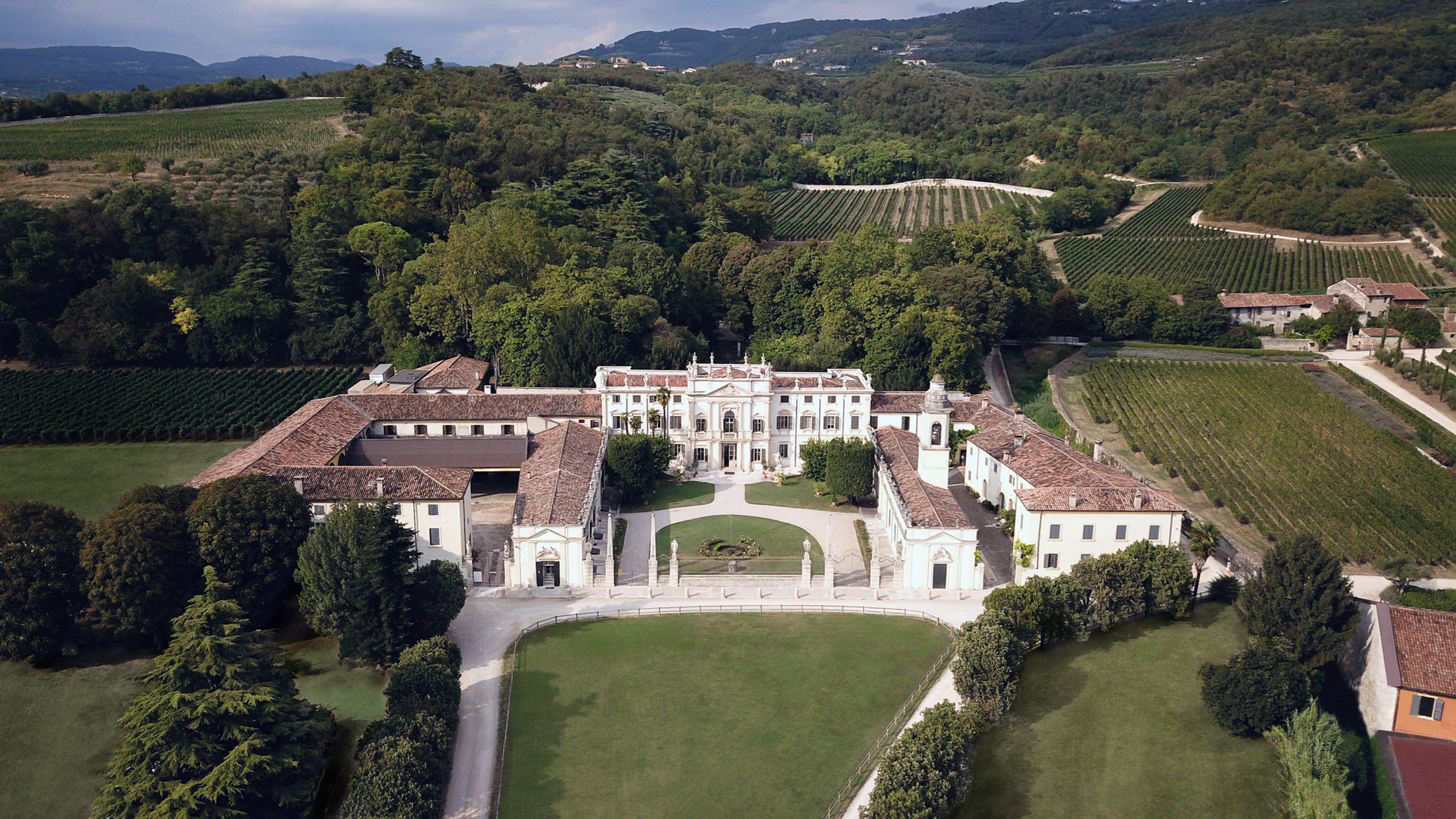
Amarone della Valpolicella is an Italian Denominazione di Origine Controllata e Garantita (DOCG), linked to the Valpolicella territory in the province of Verona. Its name, meaning "Great Bitter," was coined to distinguish it from Recioto, a sweet wine from the same area. Its commercialization as Amarone began in 1953, with DOC recognition in 1990 and DOCG in 2009. In 2008, total production destined for sale was 8.57 million bottles.
What are the Rules for Producing Amarone?
The production regulations guarantee the authenticity and quality of Amarone. They include the product name, wine categories, geographical indication type (PDO), description of analytical and organoleptic characteristics, and specific enological practices. Amendments to the regulations are managed at the Member State or third-country level. Verification of compliance with rules is entrusted to public authorities or certification bodies conforming to European standards.
How are Grapes Dried for Amarone?
Grape drying (appassimento) is the distinctive process for Amarone. Grapes, harvested at maturity between October and November, are left to dehydrate on racks or in crates. This process concentrates sugars, acids, and phenolic compounds, imparting the wine with its structure and complexity. The main varietals are Corvina, Rondinella, and other approved red grape varieties. The resulting concentration is fundamental to the final organoleptic characteristics.
What are the Characteristics of Amarone?
Amarone is distinguished by an intense ruby red color, which tends towards garnet with age. Its aroma is complex, with notes of ripe red fruit, spices, tobacco, and hints of chocolate or licorice. On the palate, it is full-bodied, warm, and smooth, with a persistent bitter note. The structure is robust, with a high alcohol content, often exceeding 15% vol., and a long finish.
What Do Foreign Buyers Look for in Amarone?
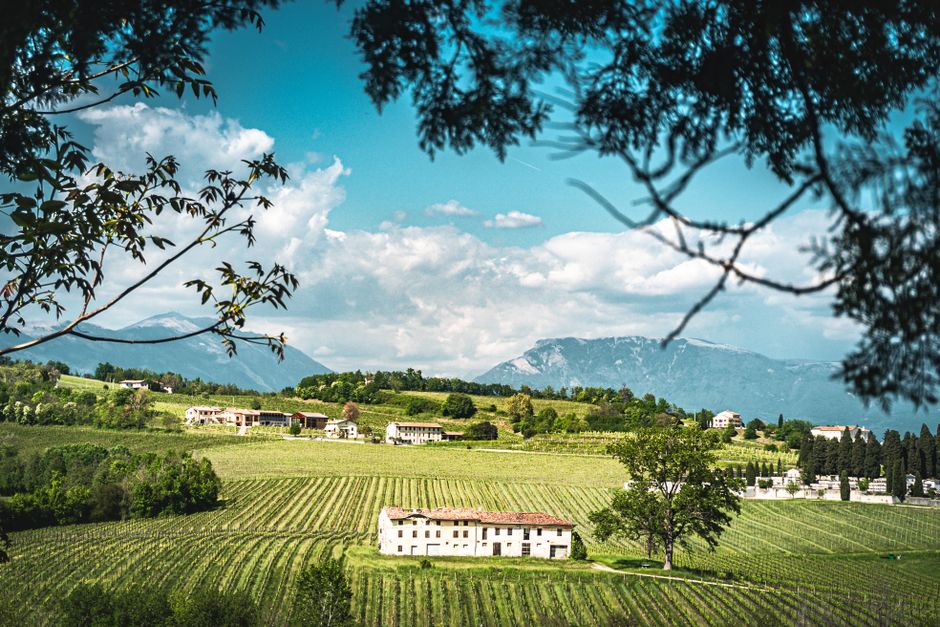
Foreign buyers appreciate Amarone for its prestige and its DOCG denomination, which guarantees quality and authenticity. The uniqueness of the drying process, its aging potential, and its gastronomic versatility are key factors. The history and tradition linked to Valpolicella add cultural value that strengthens its premium positioning in global markets.
Wines Export and Amarone
Wines Export collaborates with Italian wineries producing Amarone della Valpolicella, connecting these excellences with international importers and distributors. Our expertise supports wineries in their global expansion strategy, highlighting the history, tradition, and uniqueness of this prestigious wine.
Ready to bring your Amarone to international markets? Request a personalized demo to discover how Wines Export can support your winery.
Frequently Asked Questions
What is the difference between Amarone and Recioto della Valpolicella?
Amarone della Valpolicella is a dry and intense red wine, while Recioto della Valpolicella is a sweet wine, both produced with dried grapes from the same area.
What are the main grapes used to produce Amarone?
The main grapes are Corvina (from 45% to 95%), Rondinella (from 5% to 30%), and other approved red varieties (up to 25%).
Is Amarone a wine suitable for aging?
Yes, Amarone is known for its aging potential, evolving positively over time.