Langhe Arneis DOCG Wine: Everything for Aspiring Importers
Wines Export Editorial · Last updated:
Langhe Arneis is a distinctive expression of Italian white wine, with roots in Piedmont, which is gaining international attention. Understanding its appellation, production regulations, and unique characteristics is crucial for international buyers interested in authenticity and quality. This wine offers a significant market opportunity for those seeking products with a strong territorial identity and growth potential. Learn more: Federdoc — Italian Denominations Protection Consortiums.
What is the History of the Arneis Grape Variety?
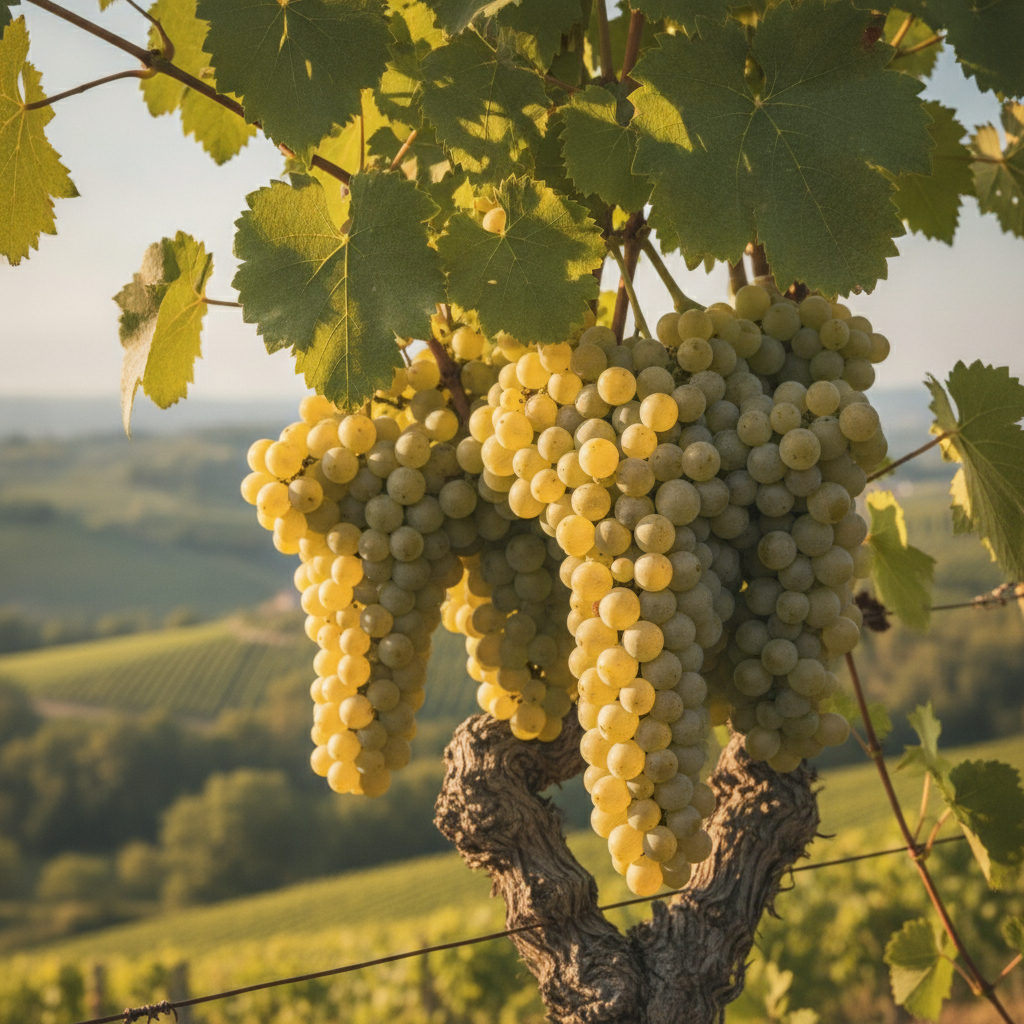
Arneis is an indigenous white grape variety from Piedmont, originating from the hills of Roero. The first documented mentions date back to the second half of the 19th century, when it was also known as Bianchetta or Nebbiolo Bianco. The name "Arneis" derives from the Piedmontese dialect and means "little rascal," referring to its cultivation challenges.
Why is the Name "Arneis" Linked to the Grape Variety?
The name "Arneis" derives from the Piedmontese dialect and means "little rascal" or "party pooper." This curious designation is linked to the difficulties encountered in cultivating this grape variety, as it is particularly susceptible to various adversities, such as powdery mildew.
How Has Arneis Cultivation Evolved Over Time?
Despite cultivation challenges, Arneis cultivation has continued, preserving a valuable enological heritage. Its history is intertwined with that of Nebbiolo, sharing the same territory and winemaking traditions for centuries.
What Defines the Production Regulations for Langhe Arneis?
The production regulations are regulatory instruments that establish the rules for producing wines with Protected Designation of Origin (PDO) or Protected Geographical Indication (PGI). They ensure quality and territorial standards, as well as product authenticity, guaranteeing that the wines meet specific characteristics.
What are the Key Elements of Production Regulations for Wines like Langhe Arneis?
A regulation defines the name of the appellation (e.g., "Langhe Arneis"), the categories of wine products, the type of geographical indication (PDO/PGI), the expected analytical and organoleptic characteristics, and specific enological practices with any restrictions. European legislation (e.g., EU Regulation No. 1151/2012) governs changes to these regulations.
Where Can Official Italian Wine Regulations Be Consulted?
Official regulations are often available on the websites of competent ministries, such as the Ministry of Agricultural, Food, and Forestry Policies in Italy, and are fundamental for understanding current legislation.
What are the Distinctive Characteristics of Langhe Arneis Wine?
Once vinified, Arneis produces white wines characterized by freshness, elegance, and aromatic complexity. It is distinguished by its straw-yellow color, intense aromas of white-fleshed fruit and flowers, and a dry, soft, and harmonious flavor with good acidity.
What is the Typical Color and Aroma of a Langhe Arneis Wine?
The color is straw yellow, which can become more intense or golden with age. The aroma is intense and fragrant, with floral notes (chamomile, broom) and fruity hints of pear, apricot, Golden Delicious apple, and sometimes almond notes.
How is the Flavor and Structure of a Langhe Arneis Described?
The flavor is dry, soft, and harmonious, with good acidity that imparts liveliness. The body is generally medium to full, and the finish is persistent, often with a characteristic slight almond note of the grape variety.
What Do International Buyers Look for When Purchasing Langhe Arneis?
International buyers seek wines with good value for money, a strong territorial identity, and a compelling story. Arneis attracts with its authenticity, consistent quality guaranteed by the appellation regulations, its versatility in food pairings, and its potential for growth in international markets.
Why are Authenticity and Origin Important for International Buyers?
Authenticity and origin from renowned wine regions like Piedmont, with indigenous grapes like Arneis, represent a strong point of attraction. International markets appreciate wines that tell a story linked to the territory and its traditions.
How Does Consistent Quality Influence an International Buyer's Purchasing Decision?
Well-defined and respected production regulations guarantee consistent quality, which is fundamental for building trust with international distributors and consumers. The reputation of appellations like Roero Arneis DOCG contributes to elevating the perception of all Arneis-based wines.
How Does Wines Export Support Langhe Arneis Exports?
Wines Export collaborates with various Italian wineries, including the Langhe Arneis appellation, through a network of producers in the Langhe and Roero regions. We offer international buyers a diverse selection of Arneis, vinified as a single varietal or in blends, that adheres to the regulations of relevant appellations such as Langhe DOC, Roero DOCG, and Terre Alfieri DOCG.
Frequently Asked Questions
What are the main appellations that include the Arneis grape variety?
The main appellations that include the Arneis grape variety are Langhe DOC, Roero DOCG, and Terre Alfieri DOCG.
Is Arneis an indigenous Italian grape variety?
Yes, Arneis is an indigenous white grape variety from Piedmont, closely associated with the hills of Roero.
What are the typical organoleptic characteristics of Arneis that attract international buyers?
International buyers are attracted by the freshness, elegance, and aromatic complexity of Arneis, with fruity notes of pear