Soave Classico: Rules and Opportunities for the International Market
Wines Export Editorial · Last updated:
Soave Classico is an Italian excellence with a strong export vocation, dedicating approximately 45% of its production to over 60-70 countries. With a vineyard area of about 4,700 hectares and a production that can reach 40 million bottles annually, this historic appellation faces continuously evolving challenges in the international market. This article explores the Soave Classico regulations, recent changes to meet new market demands, and what foreign buyers seek in an appellation like this, offering an essential guide for producers aiming to expand their global presence. In-depth: Federdoc — National Confederation of Consortia for the Protection of Italian Wine Denominations.
How is the Soave Classico Designation Distinguished?
The Soave designation is rooted in a centuries-old tradition, closely tied to the indigenous Garganega grape variety. This variety imparts distinctive floral and fruity notes to the wine, along with pleasant freshness and good structure. 87% of the municipal territory is covered by vineyards, attesting to the integration of viticulture into the region's landscape and socio-economic fabric.
The recognition of the Soave Viticultural Hills as a Giahs (Globally Important Agricultural Heritage Systems) site by the FAO in May 2023 further underscores the value of the agricultural heritage and traditional cultivation systems of this area. This highlights the importance of preserving the wine's quality, the integrity of the territory, and the agricultural practices that define it.
The production structure is characterized by approximately 2,000 winegrowers owning medium-small estates, often organized into cooperatives and bottlers. This reality ensures a great diversity of territorial expressions, posing the challenge of maintaining a strong and recognizable quality identity in the global market.
What are the Rules of the Soave Classico Production Regulations?
Production regulations define the rules for producing wines with a protected designation of origin or geographical indication, as established by European legislation (CELEX:32008R0479, CELEX:32013R1308). They must contain a detailed description of the wine, permitted winemaking practices, the delimitation of the geographical area, maximum yields per hectare, and the allowed vine varieties.
The Soave regulations have undergone significant evolutions to address market challenges and distinguish quality. The modifications approved by the Consorzio del Soave, effective from the 2027 harvest, aim to create a more defined quality pyramid, differentiating between plain Soave (DOC) and hillside Soave (DOCG Soave Classico).
The new structure includes:
- Plain Soave: Fresh, pleasant, and floral wines, identified by the Denominazione di Origine Controllata (DOC) Soave, originating from approximately 3,000 hectares of vineyards.
- Hillside Soave: Wines with a more pronounced specialization, which will benefit from the Denominazione di Origine Controllata e Garantita (DOCG) Soave Classico. This category includes the mention "superiore," the possibility of indicating the additional geographical unit (UGA) introduced in 2019, and the option to indicate the name of the single vineyard. The harvest for these wines is often postponed to October for optimal maturation.
These modifications, pending final ministerial approval, are crucial for elevating the qualitative perception of Soave in the international market, differentiating it from wines produced in large volumes and at generally lower prices. The DOCG Soave, attained in 2001, represents a significant step, but the new regulations aim to further strengthen this positioning.
What Do Foreign Buyers Look for in Soave Classico?
International buyers seek wines that offer clear added value, both in terms of intrinsic quality and market potential. For Soave Classico, several factors are decisive:
- Quality and Identity: Buyers look for wines that express a distinctive character and consistent quality. The Soave Classico designation, with its identity linked to Garganega and the hilly territory, has the potential to meet this requirement. The clarity of the regulations and their rigorous application are fundamental for building trust.
- Price and Positioning: Buyers are interested in a competitive price-quality ratio. The regulatory changes that elevate the quality pyramid are viewed positively, provided they translate into perceived value that justifies a higher price. Offering different product tiers can broaden the potential market.
- Origin and Terroir: Buyers are increasingly interested in the story, provenance, and sustainable practices behind a wine. The mention of UGAs and single vineyards in Soave Classico Superiore offers a deeper and more authentic narrative, which can attract a segment of the market attentive to origin. The Giahs recognition reinforces this aspect.
- Consistency and Reliability: Stability in production rules and consistent quality over time are essential. Buyers need reliable suppliers who guarantee a constant supply of wines that meet expectations. The regulatory changes must prove their effectiveness in ensuring this consistency.
- Growth Potential and Innovation: Buyers appreciate appellations that demonstrate adaptability and innovation, while respecting tradition. The actions taken by the Consorzio del Soave to address overproduction challenges and elevate quality are encouraging signs of a proactive appellation.
How Does Wines Export Support Soave Classico Producers?
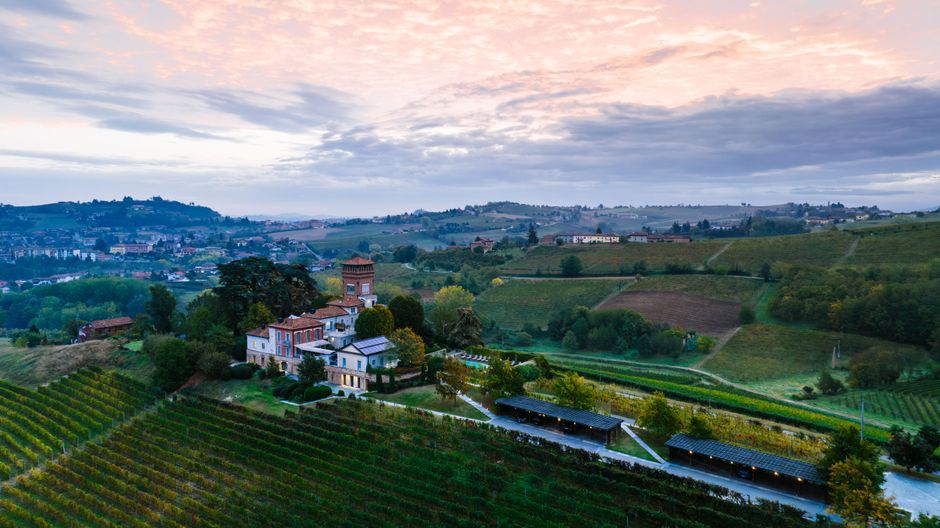
Wines Export works to connect Italian wineries with international buyers. Our network of producers covers various realities within Soave Classico, including wineries operating in both plain and hilly areas, offering a range of wines that reflect the diverse facets of the territory.
Our selection includes producers who have embraced the new regulatory directives, focusing on quality and the valorization of individual UGAs and vineyards. This allows us to offer international buyers not only high-quality Soave Classico wines but also authentic stories linked to the territory and to traditional and innovative winemaking practices.
Our in-depth market knowledge and our network of contacts enable us to
Frequently Asked Questions
What are the main differences between plain Soave (DOC) and Soave Classico (DOCG) according to the new regulations?
Plain Soave will be identified as DOC Soave and will be characterized by fresh, floral wines, while hillside Soave will benefit from DOCG Soave Classico, with more pronounced specialization and the option to indicate the additional geographical unit (UGA) or the name of the single vineyard.
How do the changes to the Soave Classico regulations aim to improve its position in the international market?
The changes aim to create a more defined quality pyramid, clearly distinguishing hillside Soave from plain Soave, with the goal of elevating the qualitative perception of Soave Classico and differentiating it from wines produced in large volumes.
What aspects related to origin and terroir are important for foreign buyers interested in Soave Classico?
Foreign buyers are increasingly attracted to the story, provenance, and sustainable practices. The mention of UGAs and single vineyards in Soave Classico Superiore, along with the Giahs recognition of the Soave Viticultural Hills, offers a deeper and more authentic narrative that can attract a market segment attentive to origin.