ICE Agency in Asia for Wine: Offices in Tokyo, Seoul, Shanghai, Beijing and Hong Kong
Wines Export Editorial · Last updated:
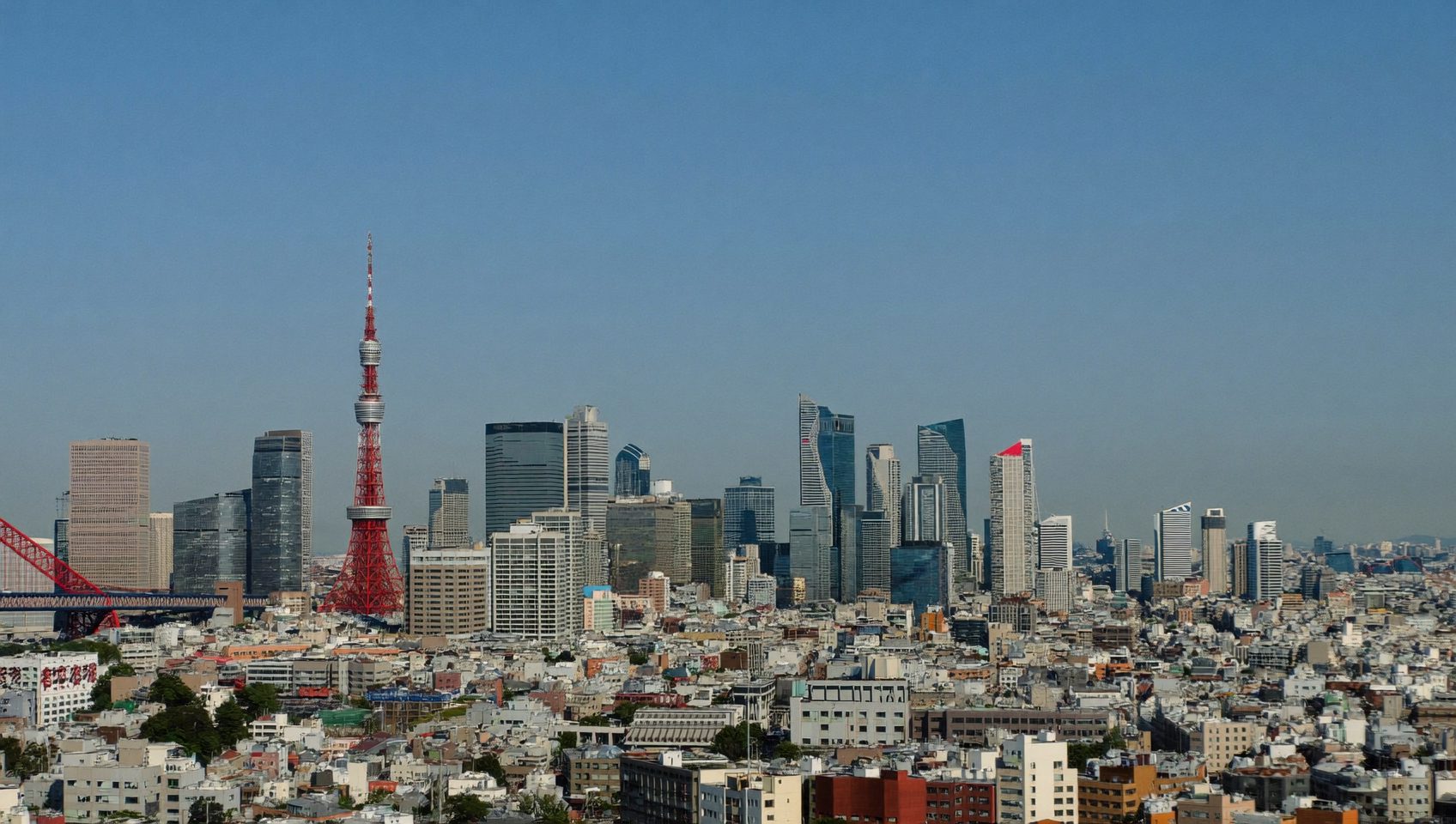
ICE Agency has offices in East Asia in Tokyo, Seoul, Shanghai, Beijing, Canton and Hong Kong, and the country pages for Japan, China and Korea list the tools that an Italian company can use. For a winery that exports wine, the name of the office matters less than knowing which services actually appear on the pages and which are missing. The country pages show thematic desks, trade fairs on site, tenders, business opportunities and national pavilions, but they do not state costs or response times. This article separates what the pages say from what should be verified directly with the office before you spend time and budget on a market. For direct searches for importers, we refer you to how to find wine importers abroad.
Which ICE offices appear in East Asia
The country pages indicate different offices for each market. The Japan page lists the Tokyo office. The China page lists Canton, Hong Kong, Beijing, indicated as the coordination office for the People's Republic of China, and Shanghai. The South Korea page lists the Seoul office. Taipei does not appear on any of the three pages.
| Market | Offices listed on the page | Source |
|---|---|---|
| Japan | Tokyo | ICE, Japan page |
| China | Canton, Hong Kong, Beijing (coordination for the PRC), Shanghai | ICE, China page |
| South Korea | Seoul | ICE, South Korea page |
For a winery, the practical difference is this: the Tokyo office, the Seoul office and the Chinese offices each serve a different market, with their own import rules, distribution channels and language. If you want to work on China, you need to know in advance whether your contact is in Shanghai, Canton, Hong Kong or Beijing, because the page does not explain how responsibilities are divided among the offices.
Which services the country pages list
The country pages share a common menu. The three pages include items such as Country Information, International Tenders, Financing, Major Projects, Business Opportunities, Useful Information, Information Notes, Statistical Processing and Foreign Market Info. The title of each item indicates the topic; the content of each section should be checked on the agency's website.
The menu for Japan and Korea also includes Trade Fairs on Site. The menu for China includes a series of Desks, including the Assistance and Intellectual Property Protection Desk and the Trade Barriers Desk, with an IPR desk in Beijing. For a winery that registers a trademark in several countries, it is worth reading the sections of this desk before starting business contacts in China.
The items that many exporters look for first, namely search for business partners, list of importers and incoming buyers, do not appear on the country pages. They may exist in other sections of the agency's website, but the country pages do not present them as available services. Before planning a mission, ask the relevant office in writing which tools it offers for wine and under what conditions.
Group participation at Asian trade fairs and participation costs
The country pages announce pavilions and institutional presences with precise dates. The South Korea page reports a national pavilion at VIV Asia 2027, in Bangkok, Thailand, from 10 to 12 March 2027, with applications extended to 15 November 2026. The Japan page reports an institutional presence at Semicon Japan 2026, in Tokyo from 9 to 11 December 2026. The China page announces an Italian national pavilion at CIMT 2027.
These examples show how the agency works: group participations are announced with a sector, a date and an application deadline, and they are not always linked to wine. None of the pages states the participation cost. Read the deadline carefully: if a page says applications are open until a certain date, the time you have to prepare your application is what remains between the date you read it and that deadline.
For wine, international trade fairs have their own calendar and a different logic from the group participations announced on the country pages. We have collected the differences in international wine fairs: how to choose the right ones, which helps you compare an institutional group participation with individual participation.
Export plan and financing: what to check
The Financing and Major Projects items appear in the country page menu, but the country pages describe neither the Export Plan nor the open calls for the wine sector. Amounts, percentages and deadlines must be read in the text of each call.
Anyone evaluating a contribution should look for the official call, read the requirements and check whether the expenses covered include trade fairs, promotion or consultancy. A contribution that covers only part of the costs changes the economic plan of a first market, which is why it is worth comparing it with the cost items listed in how much it costs to export wine: the cost items of the first market.
How to apply and what to expect
The country pages do not indicate the form to complete or the response times. What you can reasonably do is prepare the material before writing: a wine sheet in English, the product list with availability, company details and the certifications you hold.
Choose the office based on the market that interests you, read the country page, and then write a precise question. A generic request such as "help us export" usually receives a generic answer. A request that indicates the country, the channel and the product allows the office to direct you to a relevant desk or service.
If the project is already underway, use the office for context checks: local regulations, events on the calendar, institutional contacts. For preparing the first business contact, however, the guide wine export consulting: ten questions to ask before signing lists the points to clarify with an external consultant.
What ICE does not do and who does
The country pages present the agency as a point of information, promotion and institutional support. They do not describe a direct sale of wine or a purchase guarantee from an importer. This does not mean the agency cannot put operators in contact, but it is not an activity that the country pages attribute to the office.
Those looking for direct commercial support usually turn to export consultants or sales agents, who work under mandates and written conditions, or to protection consortia for collective projects. An agent with a mandate earns a commission on sales, a consultant is paid for a service, and a consortium offers collective projects linked to a designation. These are different tools with different costs and responsibilities, and the choice depends on the market and your volume.
To find importers with a structured search method, the guide on Europages and Kompass: how directories for finding wine importers work explains how to read commercial databases and how to filter the results before the first contact.
Frequently asked questions
Does ICE find wine importers in Japan or China?
The country pages do not say that the agency looks for wine importers on behalf of a winery. They list offices, desks, trade fairs and tenders instead. To search for importers, it is advisable to start with a structured method and then ask the relevant office whether tools for wine exist.
Which ICE offices are there in East Asia?
The country pages indicate the Tokyo office for Japan, Canton, Hong Kong, Beijing and Shanghai for China, and Seoul for South Korea. Taipei does not appear on these pages. For up-to-date offices, it is advisable to check the country page before writing.
How much does it cost to take part in an ICE group participation?
The country pages announce group participations with dates and application deadlines, but they do not state the participation cost. To find out the figure, ask the relevant office for the individual event and compare it with the call for applications or the written offer.
What documents are needed to request help from ICE?
The country pages do not list the required documents. It is advisable to prepare a wine sheet in English, the product list with availability data and company details, so that you can answer the office's questions already at the first exchange.
Sources
- Wine importers in Belgium: excise, rules and channels
- Importing Wine from Italy: Checks, Documents, Incoterms
- Wine Importers in Canada: Who Buys and Under What Rules
- Hong Kong Wine Fair: Vinexpo Asia and HKTDC Wine & Spirits
- Wine Importers in China: Who Buys and Under Which Rules
- Italian Wine Suppliers in Switzerland: Find and Vet Them