Independent wine shops and wine merchants abroad: how they buy, who supplies them and how a mid-sized winery becomes a supplier
Wines Export Editorial · Last updated:
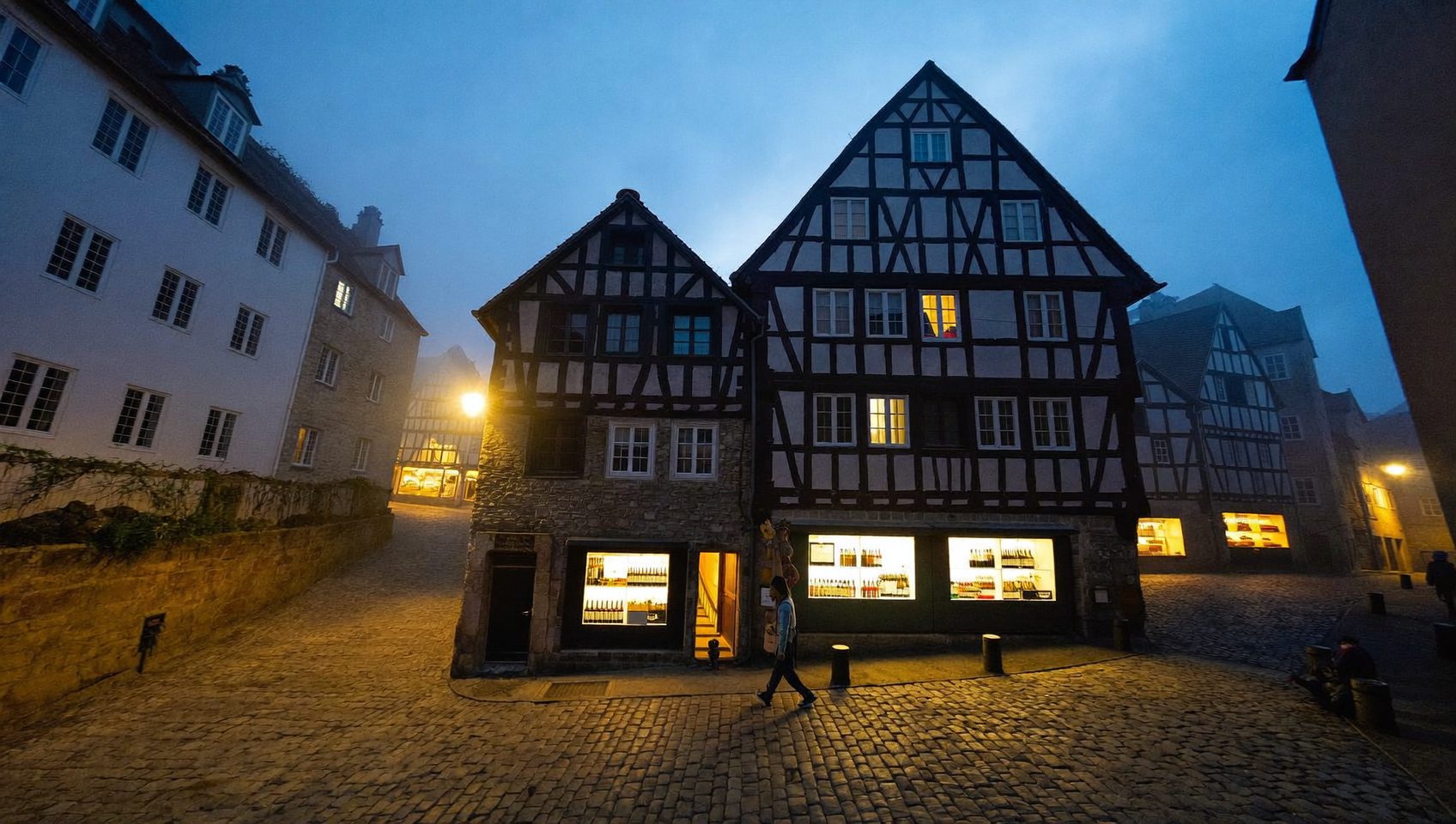
To sell your wine to independent wine shops abroad, it is not enough to send a price list to a single shop. In most markets the shop buys from a local importer or wholesaler, but it is the wine merchant who decides which labels go on the shelf. Known as Fachhandel in Germany, cavistes in France or independent wine merchants in the United Kingdom and the United States, these operators build a winery's reputation outside the mass retail channel. To become their supplier, you need to select an importer that serves the specialist trade, guarantee territorial exclusivity against supermarkets and provide practical tools to tell the story of the wine to the end customer.
Why the wine shop is the channel that builds the brand
When an Italian winery looks for new outlets abroad, attention often falls on mass retail (for immediate volumes) or on the restaurant trade. The independent wine shop, however, occupies a unique position in the value chain: it is the place where the consumer comes in without a specific brand in mind and asks for advice from the person behind the counter.
Unlike the supermarket shelf, where the label has to sell on its own or through price cuts, in the specialist trade the sale is assisted. The wine merchant knows the tastes of regular customers, organises tasting evenings, prepares corporate gift boxes and often also supplies small bistros or neighbourhood restaurants that do not have the volumes to buy directly from large distributors.
For a well-structured winery, entering a network of independent wine shops means:
- Building the perceived value of the brand: the price positioning in the wine shop becomes the public reference for that market, protecting the value of the bottle.
- Introducing the full range: if a restaurant lists one or two references to keep its cellar manageable, the wine shop is happy to work with a wider line from the same producer, pairing the base wine with reserves or special formats.
- Achieving continuity in orders: once local customers become attached to a label recommended by the merchant, reordering becomes steady and less exposed to the seasonal changes typical of restaurant menus, a central point when studying how to sell wine to restaurants and the foreign HoReCa channel.
Who buys from an independent wine shop
A frequent mistake among wineries trying to become suppliers of wine shops abroad is treating the foreign shop as an Italian customer to whom a few cases are shipped directly. Outside Italy, split-case logistics, excise procedures and administrative management make direct purchase from a single winery impractical for an independent shop.
Purchasing methods vary according to the size of the shop and the rules of the country:
- Purchase through a national importer or wholesaler: this is the main route. The wine shop relies on one or more wholesalers and wine wholesalers specialised in wine export who hold the stock, duty paid, in a local warehouse. In this way the merchant can order even single mixed cases, receive delivery within a few days and pay a single invoice in their own currency.
- Direct import for buying groups or long-established wine shops: some large wine shops, or consortia of independent merchants that pool their orders, import directly from Italy. This happens mainly in European Union countries (such as Germany, Belgium or the Netherlands), where the electronic administrative document (e-AD) system between tax warehouses or the use of authorised forwarders makes it possible to handle mixed pallets without customs barriers.
- Multi-mandate agents with a local warehouse: in several European markets, agents who visit shops collect orders on behalf of wineries and rely on a third-party logistics platform that consolidates shipments from Italy, manages excise duties and invoices the retailer.
Understanding who issues the invoice to the wine shop is the first operational step: if the shop does not have an excise code or does not want to tie up capital in a full pallet from a single producer, the winery must reach that shop through the catalogue of a distributor that is already active.
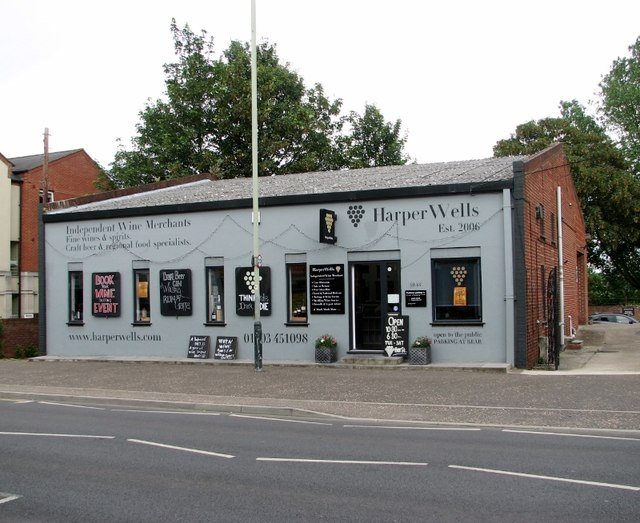
Germany, France, UK, USA: different names, same logic
The specialist retail channel changes its name, legal structure and buying habits depending on the target market. Knowing these differences helps you set up the right negotiation with local intermediaries.
| Market | Channel name | How it is supplied | Distinctive feature |
|---|---|---|---|
| Germany | Weinfachhandel | Direct purchase (if large) or through a Weinimporteur and specialist agencies | Strong link with the territory; many Fachhändler also act as small wholesalers for local hospitality. |
| United Kingdom | Independent Wine Merchants | Through UK Importers, regional wholesalers or buying consortia | Non-EU market with complex duties and excise (as documented by the Wine and Spirit Trade Association); the shop rarely imports a single winery on its own. |
| France | Cavistes indépendants | Through grossistes, agents commerciaux with a warehouse or specialty importers | Very knowledgeable customers; for Italian wine they look for identity-driven appellations and native grape varieties that do not imitate French styles. |
| United States | Independent Fine Wine Shops | Exclusively through the licensed distributors of the home state (Three-Tier system) | Under federal and state law the shop cannot buy from the foreign winery: passing through an importer and a state distributor is mandatory. |
In Germany, the landscape of wholesalers and the Fachhandel in the German wine market is widespread. Some long-established shops have been importing directly from Italy for decades, but the middle tier of shops prefers to work with importers specialised in Italian wine who offer ready delivery and flexibility on minimum orders.
In the United Kingdom, the exit from the European Union and the reforms to alcohol duties, on which trade associations such as the WSTA work constantly to represent more than 300 companies in the British supply chain, have made direct import too burdensome for the single shop. Those who want to cover this segment need to know well the channels of wine importers in the United Kingdom, focusing on so-called boutique or specialist distributors, whose portfolio is built specifically to supply the indies (independent shops) and wine bars.
In the United States, finally, the Three-Tier System prohibits any direct sale from the winery to the shop (off-premise). Here your counterpart is the state distributor, but its sales reps have thousands of wines listed in their catalogue: a wine enters the fine wine shop only if the importer has a team dedicated to independent shops and does not work exclusively with large chains.
What a wine shop looks for: story, price, territorial exclusivity
An independent wine merchant does not choose a wine using the same criteria as a supermarket buyer. Their everyday problem is defending themselves against the price competition of mass retail and large e-commerce platforms.
To place your bottles on the shelf, the shop owner assesses three concrete elements:
- Absence from mass retail and protection of the channel: if the same label (with the same name and the same graphic design) appears in the supermarket a few blocks away or online at a discounted price, the wine shop immediately stops buying it. Wineries that work well with this channel dedicate specific lines to the specialist and HoReCa circuit, ensuring that those bottles do not end up in mass retail.
- Neighbourhood or city exclusivity: an independent shop invests time in getting customers to taste your wine and in explaining it to them. To do so, it asks that the importer or agent does not sell the same line to a competing wine shop on the same street.
- Clear sales arguments: the wine merchant does not sell only liquid, they sell a story. As IWSR market analyses on the value of provenance and cultural connection in the alcoholic beverage sector show, the consumer who visits specialist channels looks for authenticity. The merchant needs to know within thirty seconds why that grape variety, that soil or that winemaking technique makes the bottle worth recommending for a dinner.
- Label design and legibility: on the wooden shelf of a wine shop, the bottle is seen up close and picked up in the hand. A well-crafted label, with a clear back label that gives the essential information in the language of the country (or in English), makes the work of the sales staff easier.
How to get there: importer, agent, tastings
Since you cannot physically knock on the doors of hundreds of shops scattered across Europe or North America, the entry strategy goes through building the right commercial chain.
The first step is finding wine importers abroad that already have an active network of multi-mandate agents or direct sales reps in the independent off-trade channel. When you evaluate a potential partner, for example while analysing how to choose wine importers in Germany or how to select an importer in the United Kingdom, do not stop at asking how many bottles they move in total. Ask about the makeup of their customers: how many are restaurants, how many are supermarkets and how many are independent wine shops.
Once you have identified the distributor with the right customer portfolio, the winery's work shifts to supporting the sales force:
- The importer's Portfolio Tastings: specialist importers organise one or two tastings a year reserved for their customers (restaurateurs and wine merchants). The direct presence of the producer or the export manager behind the tasting bench on these days is the fastest way to be noticed by shop owners and to collect the first orders.
- Training the sales network: agents who visit wine shops carry dozens of wineries in their bag. Provide concise one-page sheets (not technical booklets full of chemical data), maps of the production area and targeted free samples so that the reps can have the wine tasted directly on the shop counter.
- Accompanied visits (Market Work): plan two or three days a year in the market to visit wine shops together with the importer's sales rep. The wine merchant values the human contact with the person who makes the wine: a half-hour visit to the shop, with the tasting of two references, turns a name on the price list into a trusted supplier.
- Themed evenings in the wine shop: many shops organise paid tastings for their private customers. Offering to take part (including by connecting remotely or by sending dedicated material and a few magnum bottles for the opening) helps the merchant sell the first cases right after the evening.
Margins and turnover
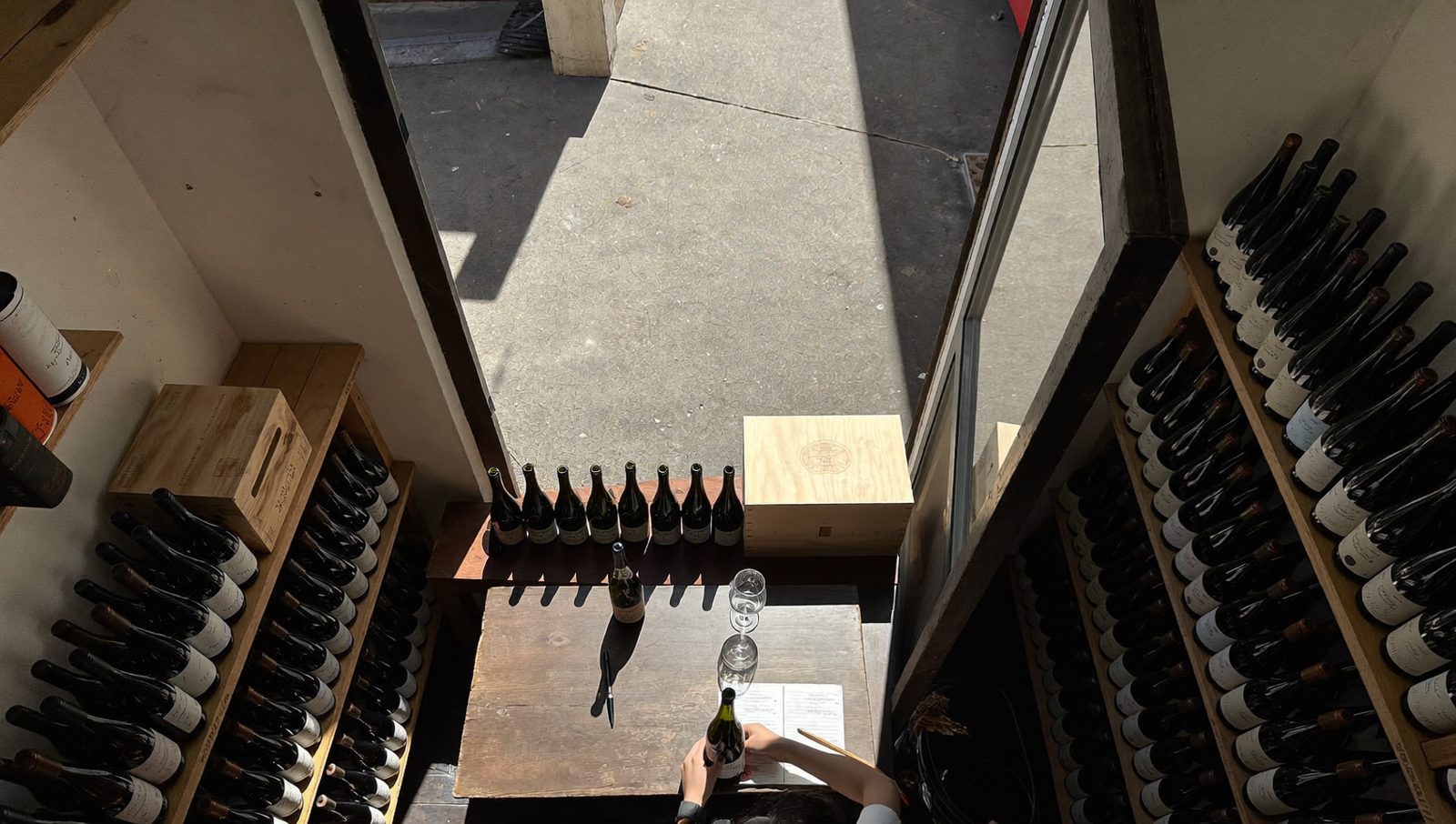
To keep the relationship going over time, the numbers must work for both the importer and the merchant. Unlike the restaurant, which applies high markups because it includes table service, the wine shop works with specialist retail margins, but has significant fixed costs linked to rent, qualified staff and tied-up stock.
When you build the ex-works price list, bear in mind that the price will go through at least two steps before reaching the final consumer:
- The margin of the importer/distributor (which also covers international transport, any duties, excise and the agent's commission).
- The margin of the independent wine shop, to which the local VAT (or sales tax) is added.
If your ex-works price is too high compared with the appellation you belong to, the bottle will reach the wine shop shelf at a price out of the market, blocking turnover. In a wine shop a wine that does not turn over occupies valuable space: the merchant prefers to order six or twelve bottles at a time of a reference that sells every week, rather than keeping a case of a wine that is too expensive and unknown sitting still for months.
To support the initial turnover, agree with the importer on conditions that ease the first placement (listing): the possibility for the shop to assemble mixed cases of your wines in the distributor's warehouse, or support with sample bottles for by the glass service (many modern wine shops have an in-store pouring or preservation system to let customers taste wines before buying).
Frequently asked questions
Can an Italian winery sell and invoice directly to a wine shop abroad?
It depends on the country and the structure of the shop. In the European Union it is possible if the wine shop holds an excise code (for example as a registered consignee) or if you rely on a fiscal forwarder that handles excise duties in the country of arrival; outside the EU (as in the UK or the USA) customs barriers and licensing laws make it necessary to go through an authorised importer.
What minimum order can be expected from an independent wine shop?
If the wine shop buys through a local importer or wholesaler, it usually orders one to three cases per reference at a time, reordering monthly or every two months. If it is a structured wine shop that imports directly from Italy (common in German Fachhandel), the minimum order to optimise transport generally starts from a mixed pallet.
How do you prevent wine sold in wine shops from ending up discounted online or in supermarkets?
The most solid solution is range segmentation: dedicate a brand or a specific line exclusively to the HoReCa channel and specialist retail, and include in the contract with importers a ban on transferring those references to organised mass retail and online discount portals.
Is it worth sending free samples directly to foreign wine shops?
Sending samples blindly to shops that cannot import directly is a useless cost, and in countries such as the United States it is prohibited. Samples should be sent to the local importer or its agents, or delivered to wine shops only after verifying that they already have an open logistics and fiscal channel to receive the goods from Italy.
Sources
- IWSR (Wine Intelligence) – Global beverage alcohol data and insights
- Italian Trade Agency (ICE) – Promotion and internationalisation of Italian companies
- WSTA – The Wine and Spirit Trade Association (UK)
- German Wine Institute (DWI) – Market and wine regions in Germany
- Italian Wine Union (UIV) – Association of Italian wine companies
- Italian food wholesalers abroad: do they sell wine too?
- Wine Importers in the Netherlands: Rules and How to Choose
- Italian Wine Importers by Country: How They Work
- Wine Importers in China: Who Buys and Under Which Rules
- Italian wine importers and distributors: how they work
- Wine Importers in Canada: Who Buys and Under What Rules