Bordeaux Bottle for Italian Wine Export: From Cellar to International Market
Wines Export Editorial · Last updated:
Exporting Italian wine presents a strategic opportunity to expand its presence in the global market. The Bordeaux bottle, a classic and recognized format, is particularly favored for structured red wines and many quality white wines. Understanding its characteristics, associated regulations, and international market expectations is crucial for any export manager aiming for success. This article delves into the essential technical, documentary, and market aspects for exporting wines bottled in the Bordeaux format. Learn more: OIV - International Organisation of Vine and Wine.
What is the Bordeaux Bottle and Its History?
The Bordeaux bottle is a container with narrow shoulders, holding a standard capacity of 75 cl. Originating from the Bordeaux region, it has become a global standard for many quality wines. Its straight-shouldered shape and long neck make it ideal for wines intended for aging, facilitating decanting and sediment separation.
Beyond the 75 cl format, variations exist such as the half bottle (375 ml) and larger formats like the Magnum (1.5 l). The choice of format can influence the perception of value and adaptability to different distribution channels.
What are the Technical and Regulatory Aspects for Export?
Exporting wine in the Bordeaux bottle requires attention to technical and regulatory requirements that vary by country. Labeling, the first point of contact with the consumer, must comply with local laws, including the designation, vintage, net volume (in metric units, with a possible addition of US ounces), alcohol content, country of origin, allergen information, and sulfite declaration if applicable.
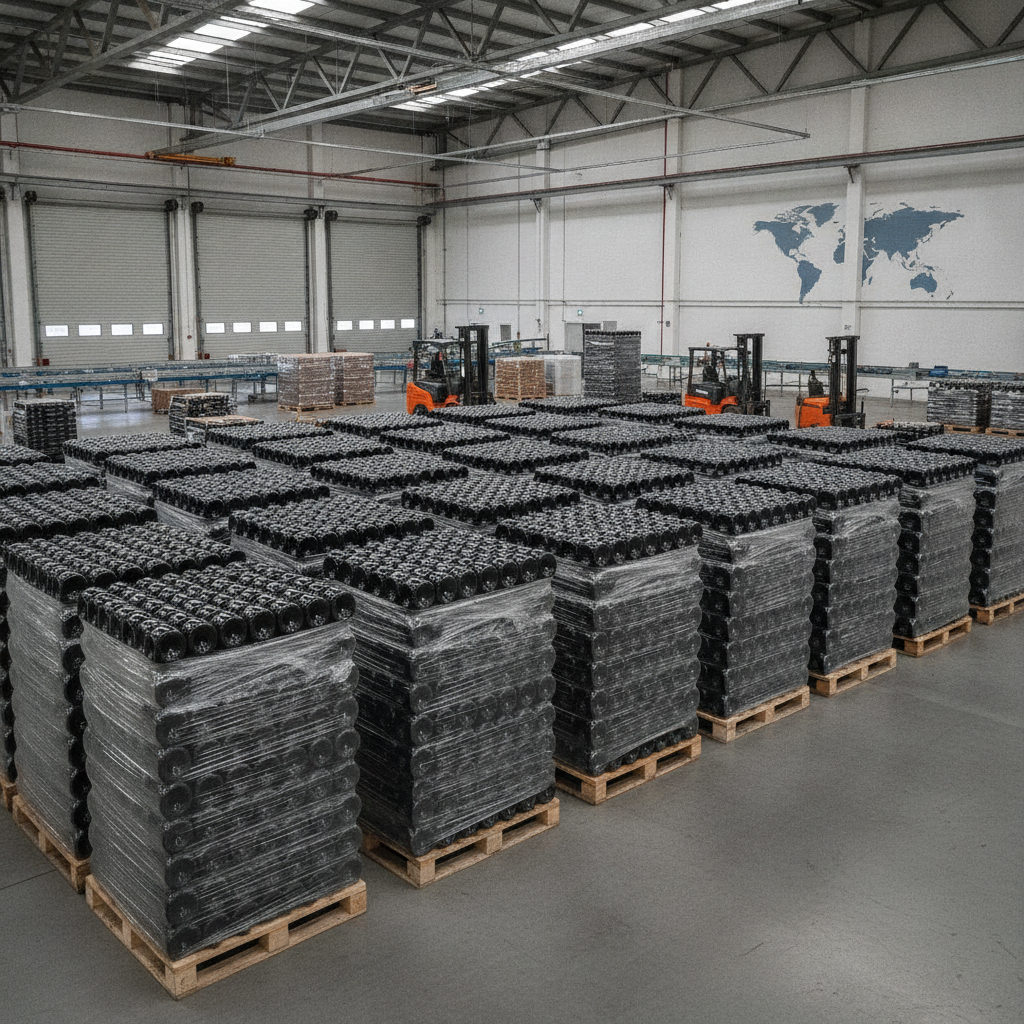
It is essential to verify with the local importer any specific requirements, such as health warnings or conformity marks. The linguistic compliance of the label for the target market is a critical step. Packaging materials must be safe and recyclable, with pallet dimensions conforming to EU standards (120x80 cm).
What Documents Are Needed for Export?
Documentation is crucial for wine export. In addition to the proforma invoice, universal documents such as the EORI number for EU exporters are required. Depending on the country, certificates of analysis, EUR1 certificates for duty exemption, and other specific permits may be necessary.
It is important to request from the importer evidence of their ability to manage electronic permits and issue the UCR (Unique Consignment Reference).
What Do Foreign Buyers Look for in the Wine Market?
The global wine market values quality, traceability, and the story behind each bottle. Foreign buyers and importers seek reliable partners who guarantee consistent quality, regulatory compliance, logistical reliability, and marketing support.
In the Australian market, for instance, the narrative of the Italian territory and tradition is an effective marketing element. The Bordeaux bottle is often associated with mid-to-high-end wines, and its selection communicates seriousness and tradition.
How Can I Ensure the Quality and Compliance of My Wine for Export?
To ensure the quality and compliance of your wine intended for export, it is essential to conduct an enological check before bottling. Verify the absence of fermentable residual sugars and a sufficient level of free SO2. Temperature variations during sea transport can pose a risk to batches destined for abroad.

What Are the Specific Labeling Requirements for Export Wines?
Specific labeling requirements for export wines vary depending on the destination country. Generally, it is mandatory to include the designation, vintage, net volume in metric units (e.g., 750 mL), alcohol content, country of origin, and allergen information if present.
A "contains sulphites" or equivalent statement is required if the wine contains 10 ppm or more of total sulfur dioxide. To claim the absence of sulfites, a certified laboratory analysis is required. Linguistic compliance of the label for the target market is an essential step.
How Can I Calculate Export Costs and Define Competitive Pricing?
To define competitive pricing, it's necessary to pre-calculate the fiscal and logistical impact. This includes careful evaluation of CIF (Cost, Insurance, Freight) costs, duties, excise taxes, and other applicable charges in the destination country. A clear understanding of these elements allows for the setting of a competitive FOB (Free On Board) price.
Exporting Italian wine in the Bordeaux bottle requires impeccable operational management and a deep understanding of regulations and market dynamics.
Frequently Asked Questions
Question 1
What are the main characteristics of the Bordeaux bottle and why is it suitable for exporting fine wines? The Bordeaux bottle is a 75 cl container with narrow shoulders and a long neck, ideal for wines intended for aging due to ease of decanting and sediment separation. Its shape is globally recognized and communicates seriousness and tradition, making it a preferred choice for mid-to-high-end wines.
Question 2
What are the fundamental labeling requirements for exporting Bordeaux bottle wines and how to manage linguistic compliance? Labeling must include the designation, vintage, net volume (in metric units), alcohol content, country of origin, and allergen information if present. A sulfite statement is mandatory if applicable, and linguistic compliance of the label for the target market is an essential step.
Question 3
What documents are indispensable for exporting Italian wine in Bordeaux bottles and how to ensure the importer is prepared? In addition to the proforma invoice, universal documents like the EORI number for EU exporters are necessary. Depending on the country, certificates of analysis and EUR1 certificates may be required. It is important to verify with the importer their ability to manage electronic permits and issue the UCR.