Selling Wine Abroad: Advice for Italian Wine Cooperatives
Wines Export Editorial · Last updated:
Exporting Italian wine presents a strategic opportunity for wineries, but social wineries face unique challenges and advantages due to their cooperative structure. A social winery aggregates the products of its member winemakers for wine production, processing, and sales, aiming to achieve economies of scale. This allows for the acquisition of advanced equipment, the hiring of expert personnel, and the implementation of marketing and commercialization strategies that would otherwise be inaccessible to individual winemakers. This guide analyzes the key aspects for successful export, specifically addressing social wineries looking to expand their presence in international markets. Learn more: OIV — International Organisation of Vine and Wine.
Why is the Cooperative Structure an Advantage for Export?
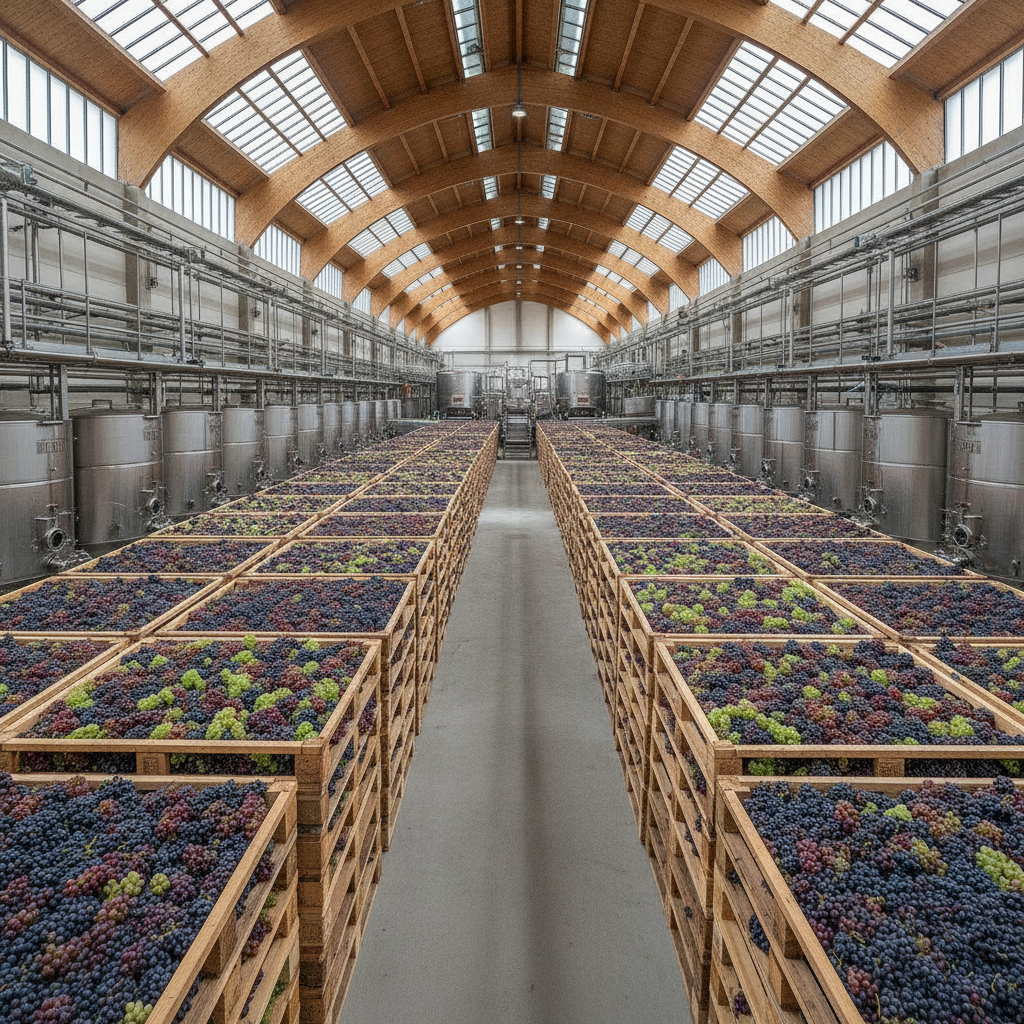
Shared winemaking, typical of social wineries, is particularly beneficial in regions with small farms. Associating allows for the optimization of production costs, raw material procurement, bottling, and logistics, realizing significant economies of scale.
Social wineries can invest in cutting-edge enological technologies and hire skilled enologists and technicians, ensuring high and consistent quality standards. The aggregation of volumes also confers greater bargaining power with international buyers and distributors, enabling higher marketing and promotion costs. Democratic and solidarity-based management aims to ensure fair remuneration for members and transparent governance. Wine cooperatives can also benefit from specific public funding, including that provided by the European Union, to support necessary export investments. The long tradition of these structures, with examples dating back to 1834 in Germany, attests to their solidity and effectiveness.
How to Initiate an Export Negotiation with a Foreign Buyer?
Initiating an export negotiation requires a structured approach. It is essential to verify the reliability and solvency of the potential foreign partner before negotiating commercial terms.
This includes verifying their legal and fiscal registration in the destination country, ensuring they possess the necessary licenses for importing alcoholic beverages (a mandatory requirement in most non-EU markets), and requesting bank or trade references to assess their financial stability. Understanding which other producers, particularly Italian ones, the buyer already represents is equally important. A preliminary credit risk assessment, potentially supported by credit check services or credit insurance like those offered by SACE, can prevent unpleasant surprises related to buyer insolvency after shipment.
What Information Should a Proforma Invoice for Export Contain?
Once the counterparty has been qualified, the winery sends a proforma invoice. Although not a fiscal document, this document forms the basis of the negotiation and must include a detailed description of the products (designation, vintage, bottle size), minimum order quantity (MOQ), unit price and currency, proposed Incoterm (e.g., FCA, FOB, CIF), and requested payment terms.
The proforma invoice is the starting point for negotiation, where buyers and wineries define the final details of the agreement. This document formalizes initial proposals and initiates a structured discussion on commercial terms, ensuring both parties have a clear understanding of each other's expectations before proceeding.
What is the Universal Documentation Required for Exporting Wine?
Regardless of the destination market, there is a core set of universal documents that every Italian winery must have ready before undertaking its first export. These documents form the common basis, to be supplemented with the specific requirements of each country (duties, health certifications, etc.).
What is EORI Registration and Why is it Mandatory?
For Italian wineries shipping outside the European Union's customs borders, an EORI (Economic Operators Registration and Identification) number is mandatory. This number uniquely identifies an economic operator in dealings with the customs authorities of all EU countries. Once obtained in Italy through the Customs Agency (free of charge and online), it is valid in all other 26 member states, eliminating the need to apply for a different one for each EU destination country. Without an EORI, goods cannot be declared at customs and risk being blocked.
What Other Documents are Essential for Export?
In addition to the EORI number and proforma invoice, other essential documentation includes an updated company registry extract (required by the buyer for their internal due diligence checks), production licenses, and enological compliance (ministerial authorizations and registration in the DOP/IGP vineyard register, if applicable). Voluntary certifications (organic, sustainability, etc.), if available and translated into English, are also important, often requested by Anglo-Saxon or Northern European markets. Finally, it is essential to declare the available production capacity for export, both as reference and overall, which are fundamental data for a serious buyer.
How to Adapt Export Strategies to Different Markets?
While the basic documentation is universal, each market presents peculiarities that require attention. For example, when exporting to the United Arab Emirates, it is crucial to comply with local labeling regulations, ensuring consistency between the label, technical data sheet, and shipping documents. The term "wine" is reserved for 100% grape products, and halal certification does not apply to alcoholic beverages.
For the U.S. market, it is essential to verify label compatibility with TTB (Alcohol and Tobacco Tax and Trade Bureau) requirements before promising immediate availability. Communication must be in English, with professionally reviewed technical materials. Utilizing dedicated platforms and logistic-commercial hubs for Italian wine can facilitate entry for smaller wineries.
In Brazil, an Italian winery has three main access routes: selling to an importer/distributor registered with MAPA (Ministry of Agriculture, Livestock, and Supply), appointing a local commercial agent, or establishing its own import structure (rare for SMEs). It is essential to verify the candidate importer's positioning (generalist multi-channel vs. premium/HORECA specialist) and request references and distribution data.
Finally, for the Australian market, the narrative of Italian territory and tradition remains an effective marketing element. Communication must be in English, with attention to time zones and the use of LinkedIn and specialized importer websites as primary search channels. Investing in a long-term relationship of trust with the importer is critical, given the logistical distance.
Frequently Asked Questions About Export for Social Wineries
What are the main advantages of a social winery in exporting?
Social wineries benefit from economies of scale, access to advanced technologies and expertise, increased bargaining power due to aggregated volumes, and potential public funding, making them competitive in international markets.
Is it mandatory to have an EORI number to export wine from Italy?
Yes, an EORI number is mandatory for Italian wineries shipping goods outside the European Union's customs borders, to identify the economic operator in dealings with customs authorities.
What documents are needed to start a business negotiation with a foreign buyer?
Before finalizing an agreement, a proforma invoice must be prepared, including a detailed product description, minimum order quantity, prices, Incoterm, and payment terms.
Social wineries, thanks to their cooperative structure, possess intrinsic potential to successfully tackle foreign markets, benefiting from economies of scale and increased bargaining power. However, export requires meticulous preparation, a thorough understanding of the necessary documentation, and careful analysis of the specificities of each destination market.