Chianti Rosé DOCG debuts, with changes for Terre di Vinci and Riserva
Chianti Rosé DOCG from the 2026 vintage can be released for sale from 1 December 2026. The same decree adds the Terre di Vinci subzone and changes Sangiovese and Riserva rules.
What this means for importers
For importers, a new appellation rosé is available from 1 December 2026, and screw caps are allowed for it. On Chianti Riserva, the label indicates minimum ageing time, while any use of wood depends on the producer's choice. Ask suppliers about the control body's suitability certificate for lots.
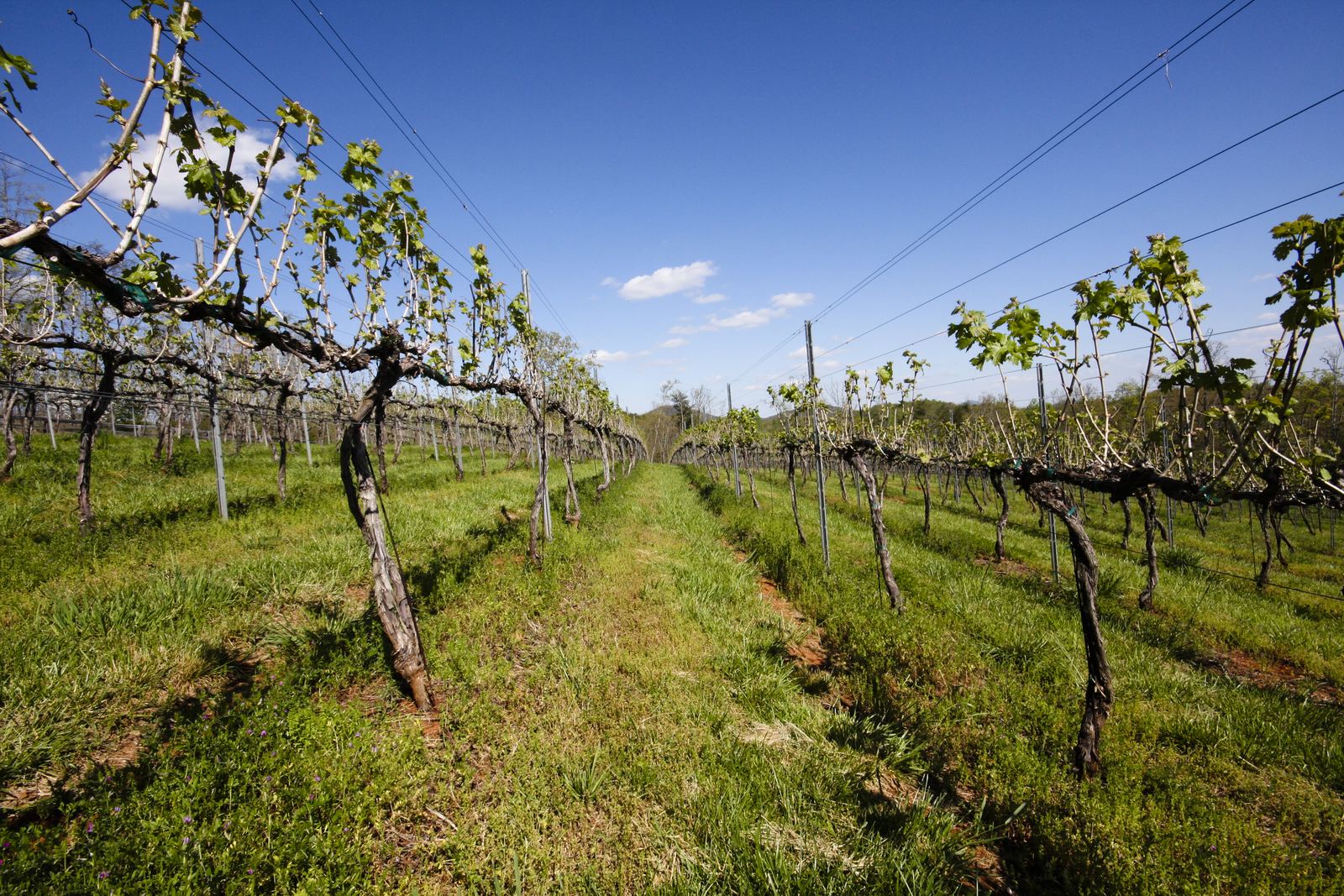
Chianti Rosé DOCG from the 2026 vintage can be released for sale from 1 December 2026. It is the first vintage made under new rules already in force at harvest. Some 2025 bottles reached the market this autumn thanks to a derogation in the June decree, which allowed lots already suitable to become Chianti DOCG to be requalified as Rosé, provided they met the new specification and passed the control body's check.
The Rosé requires at least 60% Sangiovese, must be dry and reach at least 11.5% vol. The ordinary maximum yield, without a subzone, is 110 quintals of grapes and 77 hectolitres of wine per hectare. Screw caps are allowed, while the fiasco and the Tuscan governo method are banned. The same decree creates Terre di Vinci, the eighth Chianti subzone, between the provinces of Florence and Pistoia, with a yield of 90 quintals and 63 hectolitres per hectare. Terre di Vinci Rosé 2026 can be released from 1 December 2026, the 2026 red from 1 September 2027. The minimum Sangiovese in reds falls from 70% to 60%.
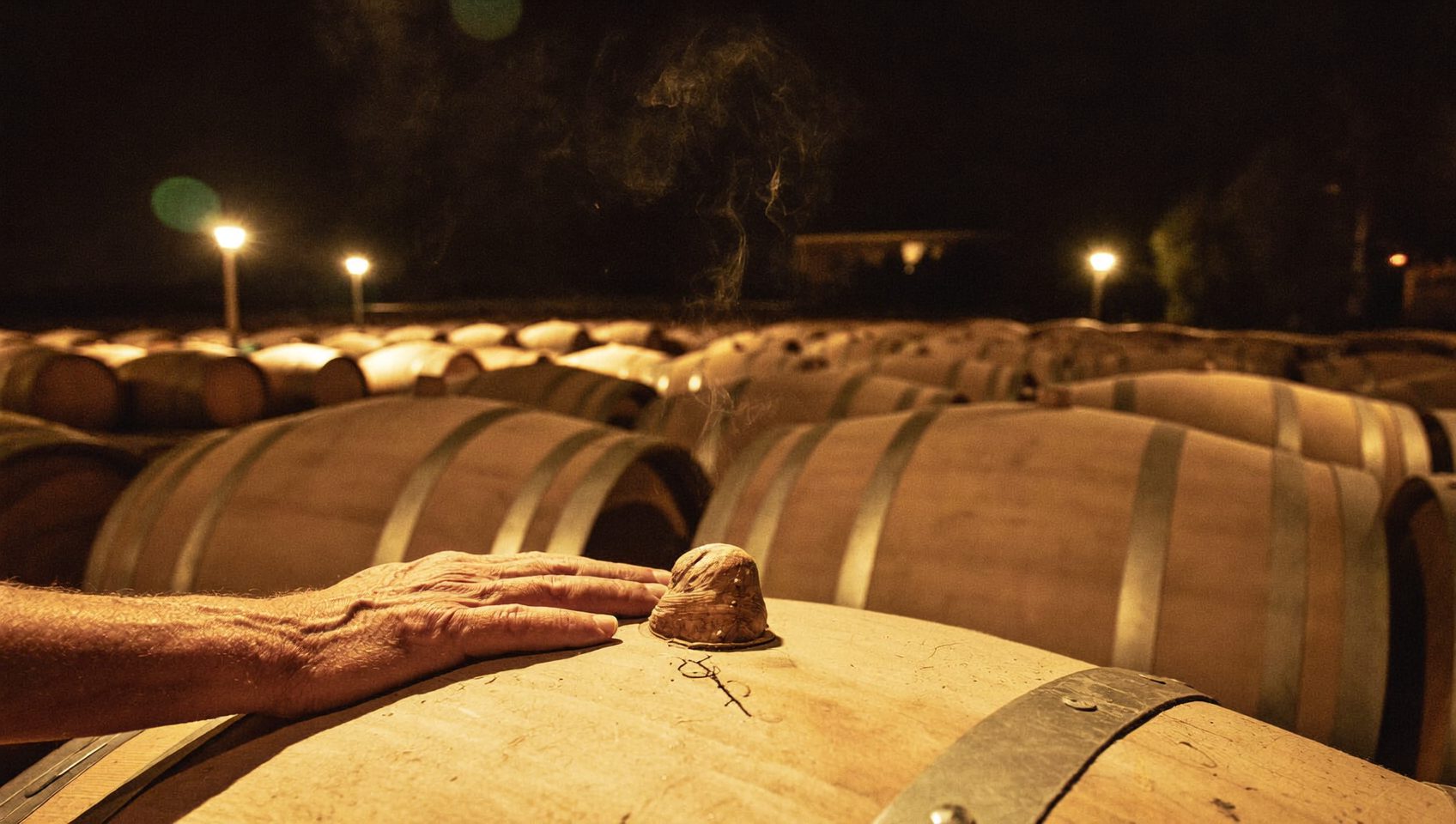
Riserva keeps at least two years of ageing. The wood requirement is dropped in Colli Fiorentini, Rufina and Colli Senesi, where the minimum four months in bottle also disappear. The decree has applied in Italy since 12 June 2026 and in the European Union since 30 October 2026. Selling lots of Chianti requires the control body's suitability certificate, and moving new wine still fermenting must be notified two working days ahead.
Source
Each item links to the dated original source: we summarise and analyse it; we do not republish other outlets’ articles.
Mentioned
Go deeper on Wines Export
Italian wine sourcing
Tell us which Italian wines you are looking for
Share your requirements to receive proposals from Italian producers.