Chianti DOCG: Regulations, Characteristics, and International Markets
Wines Export Editorial · Last updated:
For Italian wineries aiming for export, a deep understanding of Chianti DOCG wine, its regulations, and international market expectations is crucial for seizing opportunities. This article outlines the distinctive characteristics of Chianti, the regulations governing its production, and the trends driving foreign demand, offering essential guidance for successfully navigating the international trade of this iconic Italian wine. Learn more: Federdoc — National Confederation of Italian Wine Protection Consortia.
What is the Chianti Denomination and Where is it Produced?
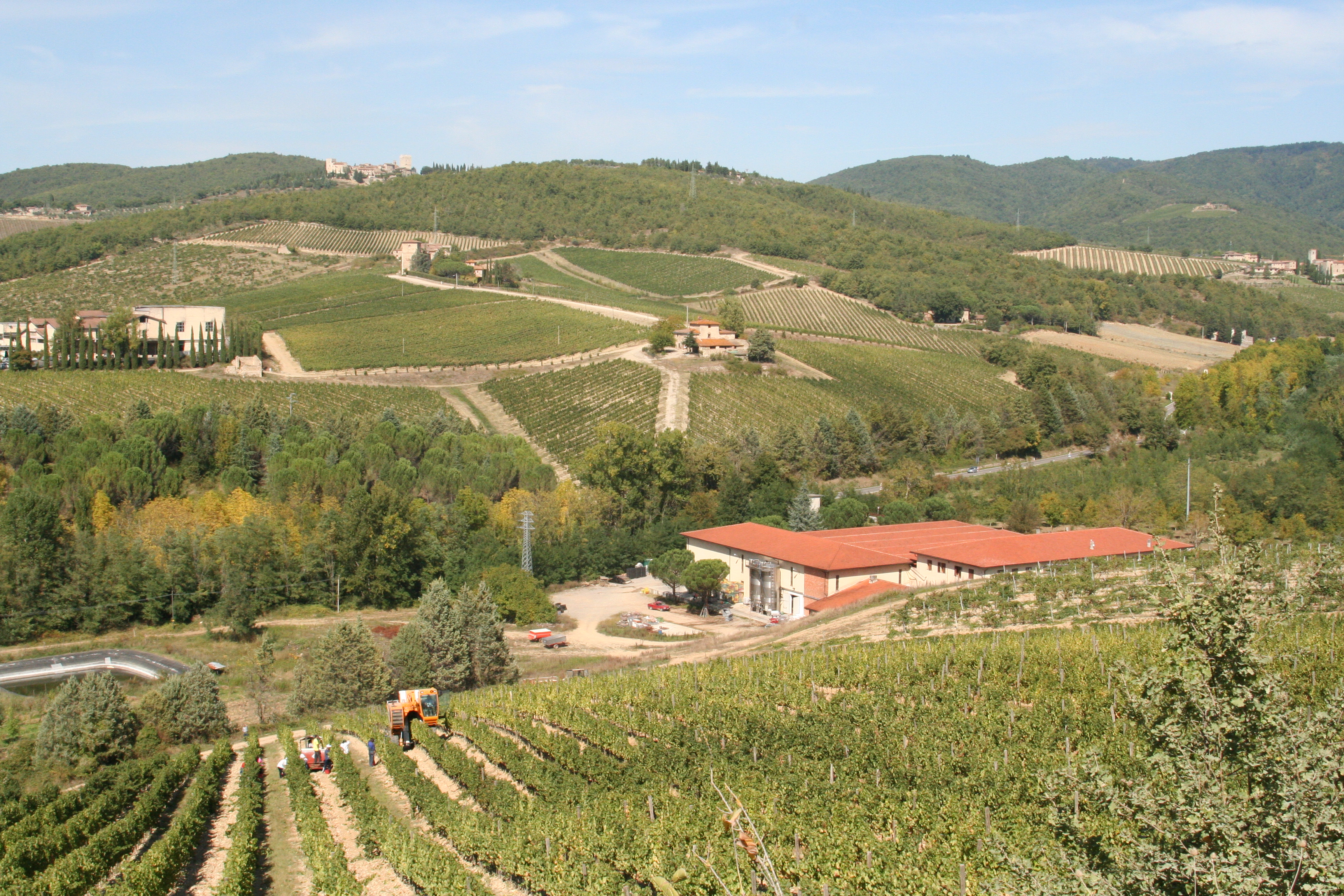
The Controlled and Guaranteed Designation of Origin (DOCG) "Chianti" is inextricably linked to the Tuscan territory. Officially recognized as DOC in 1967, its production area has expanded over time, encompassing portions of the provinces of Arezzo, Florence, Pisa, Pistoia, and Prato, in addition to the historic area of Siena.
Currently, the Chianti denomination comprises seven sub-zones, each with its own territorial peculiarities and, in some cases, specific production requirements: Colli Aretini, Colli Fiorentini, Colli Senesi, Colline Pisane, Montalbano, Montespertoli, and Rufina. This subdivision reflects the diversity of the Tuscan landscape and the influence of microclimates and soils on grape ripening.
What are the Rules of the Chianti DOCG Production Regulations?
The production regulations guarantee the authenticity and quality of Chianti DOCG wine, defining precise rules for grape composition, viticultural and enological practices, and the final characteristics of the wine.
What is the Grape Composition for Chianti DOCG?
The primary grape variety for Chianti is Sangiovese, which must constitute at least 75% of the grapes. Canaiolo nero is also permitted (up to 10%), along with Trebbiano Toscano and Malvasia del Chianti (individually or jointly, up to 10%). Other suitable red grape varieties can contribute up to 15% for the base Chianti and up to 20% for the sub-zones and the "Superiore" designation.
What Viticultural and Enological Practices are Stipulated?
The regulations emphasize respect for tradition and adaptation to environmental conditions. Planting, cultivation, and pruning practices must preserve the characteristics of the grapes and the wine. Forced cultivation is prohibited, and maximum grape yield per hectare is regulated to ensure concentration and quality.
What are the Characteristics of Chianti DOCG Wine and its Specifications?
Upon release for consumption, Chianti DOCG must have a minimum total volumetric alcohol content of 12%. The "Riserva" qualification requires aging for at least two years (with at least three months in the bottle) and a minimum alcohol content of 12.5%. "Chianti Superiore" involves stricter requirements, often related to lower yields and longer aging periods.
How is Chianti Bottled and Packaged?
Chianti DOCG wine can only be released for consumption in glass containers. The use of the denomination is not permitted for wines in containers with a nominal volume exceeding 5 liters. Bottles and other containers must be appropriate to the traditional character of a fine wine.
What Do International Buyers Look for in Chianti Wine?
International buyers value authenticity and the connection to the Tuscan territory, consistent quality, and producer reliability. Chianti's gastronomic versatility is a strong selling point, as is the understanding of different specifications (Superiore, Riserva) and sub-zones. Interest in sustainability and transparency in the production chain is also growing.
What are the Export Opportunities for Italian Chianti Wineries?
Chianti offers excellent export opportunities for Italian wineries. It is essential to communicate the value of the regulations, highlight the specificities of the sub-zones, and adapt the offering to the needs of the target markets. Investing in promotion, marketing, and building solid relationships with importers and distributors is key to international success.
- Regulation (EU) No 479/2008 of the Council of 26 May 2008 on the common organisation of the market in wine (EUR-Lex)
- Regulation (EU) 2024/1143 of the European Parliament and of the Council of 11 April 2024 (EUR-Lex)
Frequently Asked Questions
Which Tuscan provinces are included in the Chianti DOCG denomination?
The Chianti DOCG denomination includes portions of the provinces of Arezzo, Florence, Pisa, Pistoia, and Prato, in addition to the historic area of Siena.