Chianti Riserva DOCG: Everything You Need to Know for International Purchase
Wines Export Editorial · Last updated:
For Italian wineries aiming for export, a thorough understanding of Chianti Riserva DOCG is essential. This article examines the production regulations, manufacturing requirements, and the expectations of foreign markets, providing a practical guide for commercial success. From the history of the denomination to the specificities of "Riserva," and what international buyers are looking for, every aspect is covered to support your export strategy. Learn more: Federdoc — National Confederation of Italian Wine Protection Consortia.
What is the Chianti DOCG Denomination?
The Denominazione di Origine Controllata e Garantita (DOCG) "Chianti" is one of Italy's oldest designations, historically linked to Tuscany. Recognized as early as 1967, its production area is defined by prior regulations. The denomination is reserved for wines that strictly adhere to the conditions established in the production regulations, ensuring authenticity and quality.
The production regulations are the fundamental document governing grape cultivation, winemaking practices, and the final characteristics of the wine. They ensure that wines meet the requirements to bear the Chianti DOCG designation, with a specific grape composition that sees Sangiovese as the protagonist.
What are the permitted grapes in Chianti DOCG?
For Chianti DOCG, Sangiovese must be present in a minimum percentage of 75%. Canaiolo Nero (up to 10%) and Trebbiano Toscano and Malvasia del Chianti (individually or jointly, up to 10%) may also be used. Other suitable red grapes are permitted, provided they do not exceed 15% for "Chianti" and 20% for wines referencing sub-zones and the "Superiore" specification, without altering the wine's peculiar characteristics.
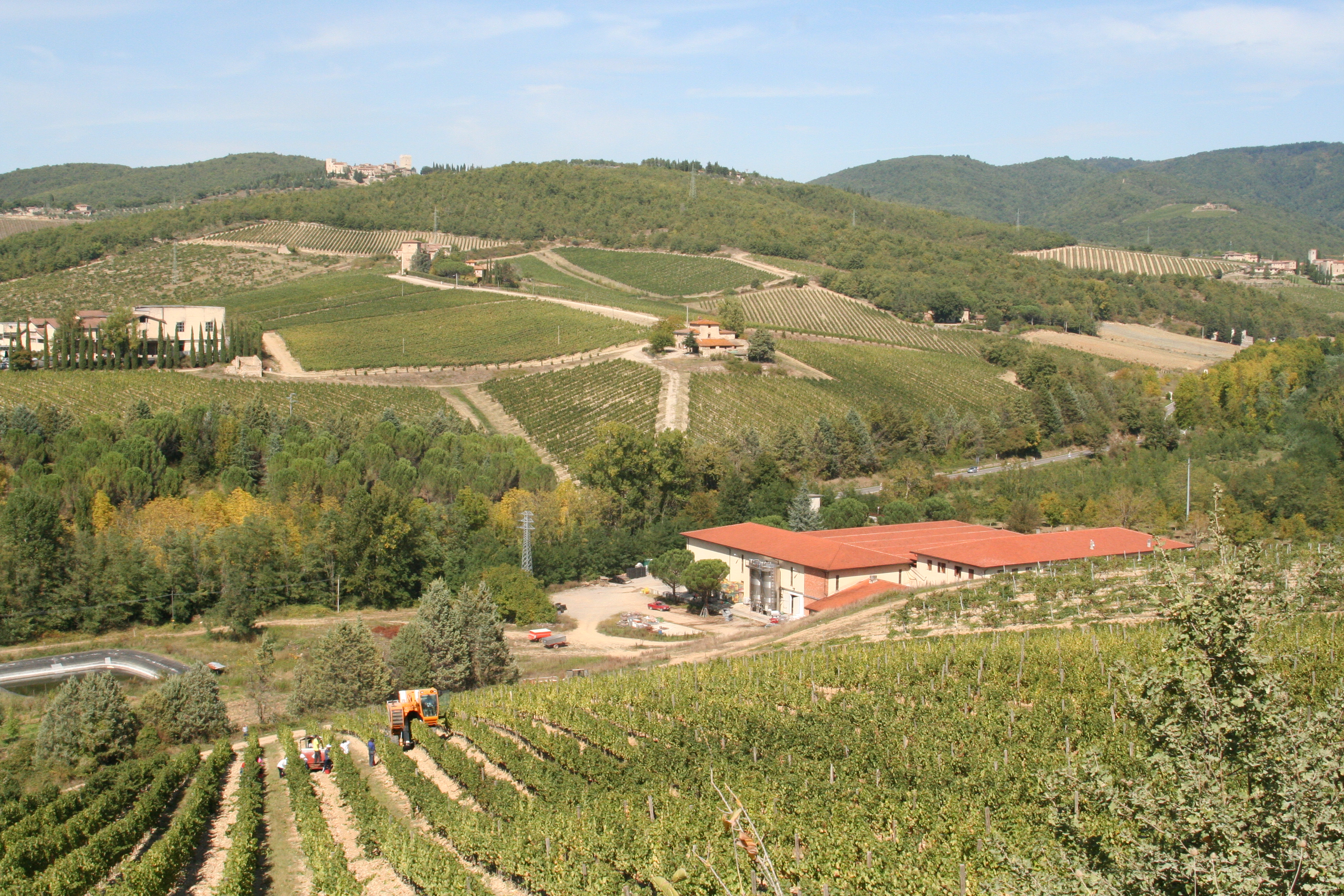
What are the requirements to classify a Chianti as "Riserva"?
The "Riserva" qualification for Chianti DOCG wines imposes specific aging and refinement requirements. To obtain this designation, Chianti wines, including various sub-zones, must undergo a minimum aging period of two years, with at least three months of bottle refinement. The minimum total alcoholic strength by volume is 12.5%.
For the sub-zones "Colli Fiorentini" and "Rufina," the regulations stipulate even more stringent aging requirements: at least six months in barrel and three months in the bottle. The aging period is calculated from January 1st following the year the grapes were harvested.
Is it permissible to add non-specified qualifications to Chianti DOCG?
No, the addition of any qualification other than those provided by the regulations is prohibited for Chianti DOCG wine. Adjectives such as "extra," "fine," "chosen," "selected," or "old" are not permitted, unless they are indications related to names, company names, or private brands that do not have laudatory meaning and do not mislead the buyer.
What do international buyers look for in Chianti Riserva?
International buyers seek authenticity, history, and clear added value in Chianti Riserva. They appreciate wines that tell the story of their origin, reflecting the Tuscan terroir and indigenous grapes like Sangiovese. Compliance with DOCG regulations and consistent quality from one vintage to another are fundamental prerequisites for building trust.
Buyers are interested in the wine's aging potential, which suggests complexity and longevity. There is growing attention toward supply chain traceability and sustainable practices. Well-crafted packaging and a good quality-price ratio are also important, as is the marketing and commercial support offered by wineries.
What are the recognized sub-zones within Chianti DOCG?
The regulations recognize several sub-zones within the Chianti denomination, each with its own territorial specificities. These include "Colli Aretini," "Colli Senesi," "Colline Pisane," "Montalbano," "Montespertoli," "Colli Fiorentini," and "Rufina."
How does Wines Export support Chianti Riserva exports?
Wines Export connects Italian wineries with international importers, including producers of Chianti Riserva. Our network of foreign buyers covers European, North American, and Asian markets. We are committed to meeting the needs of target markets seeking wines that embody Italian excellence.
Wineries specializing in Chianti Riserva can find a strategic partner in Wines Export to expand their presence in international markets. We offer in-depth knowledge of export dynamics and established relationships with foreign operators, facilitating the internationalization process.
Frequently Asked Questions
What is the minimum aging period for a Chianti Riserva?
The minimum aging period for a Chianti Riserva is two years, with at least three months of bottle refinement. For the sub-zones "Colli Fiorentini" and "Rufina," at least six months in barrel and three months in the bottle are required.
What are the main grape varieties permitted in Chianti Riserva?
The main grape variety is Sangiovese, which must constitute at least 75% of the wine. Other permitted varieties include Canaiolo Nero, Trebbiano Toscano, and Malvasia del Chianti, as well as other suitable red grapes.
What does the "Riserva" designation mean for a wine?
The "Riserva" designation is attributed to still wines that have undergone an aging period specifically provided for by the production regulations, usually not less than two years.
Chianti Riserva represents an excellence of Italian wine, with strong appeal in international markets. Understanding the regulations, aging requirements, and buyer expectations is crucial for successful export. Wines Export is the ideal partner for wineries looking to expand their global footprint, offering consultancy and a consolidated network of contacts.