Selling Alessandria Wines Abroad: Your Comprehensive Guide
Wines Export Editorial · Last updated:
Wineries in the province of Alessandria, rich in Piedmontese winemaking tradition, have a tremendous opportunity for expansion into international markets. Exporting these excellences requires a solid understanding of processes, necessary documentation, and global market dynamics. This article provides an essential guide for Alessandria wineries aiming for international growth, analyzing the territory's specificities, documentation requirements, and market entry strategies, with a focus on the opportunities offered by a network of producers. Learn more: Federdoc — National Confederation of Consortia for the Protection of Italian Wine Denominations.
Why is the Alessandria Wine Territory a Heritage Worth Exporting?
The province of Alessandria offers remarkable diversity in terroirs, climates, and soils, translating into a vast array of high-quality wines. From areas renowned for classic method sparkling wines in the Alta Langa, which includes 149 municipalities with a significant portion in the province of Alessandria, to indigenous grape varietals like Dolcetto and Barbera, the enological potential is substantial. Alta Langa DOCG, in particular, produces sparkling wines based on Pinot Noir and Chardonnay recognized internationally.
The presence of numerous wineries, from small realities to more structured businesses, highlights the sector's vitality. Many of these wineries are already part of the Wines Export producer pool, demonstrating a strong propensity for export and a desire to seize global opportunities. This network of wineries represents a wealth of experience and expertise that can act as a driving force for the entire provincial wine sector.
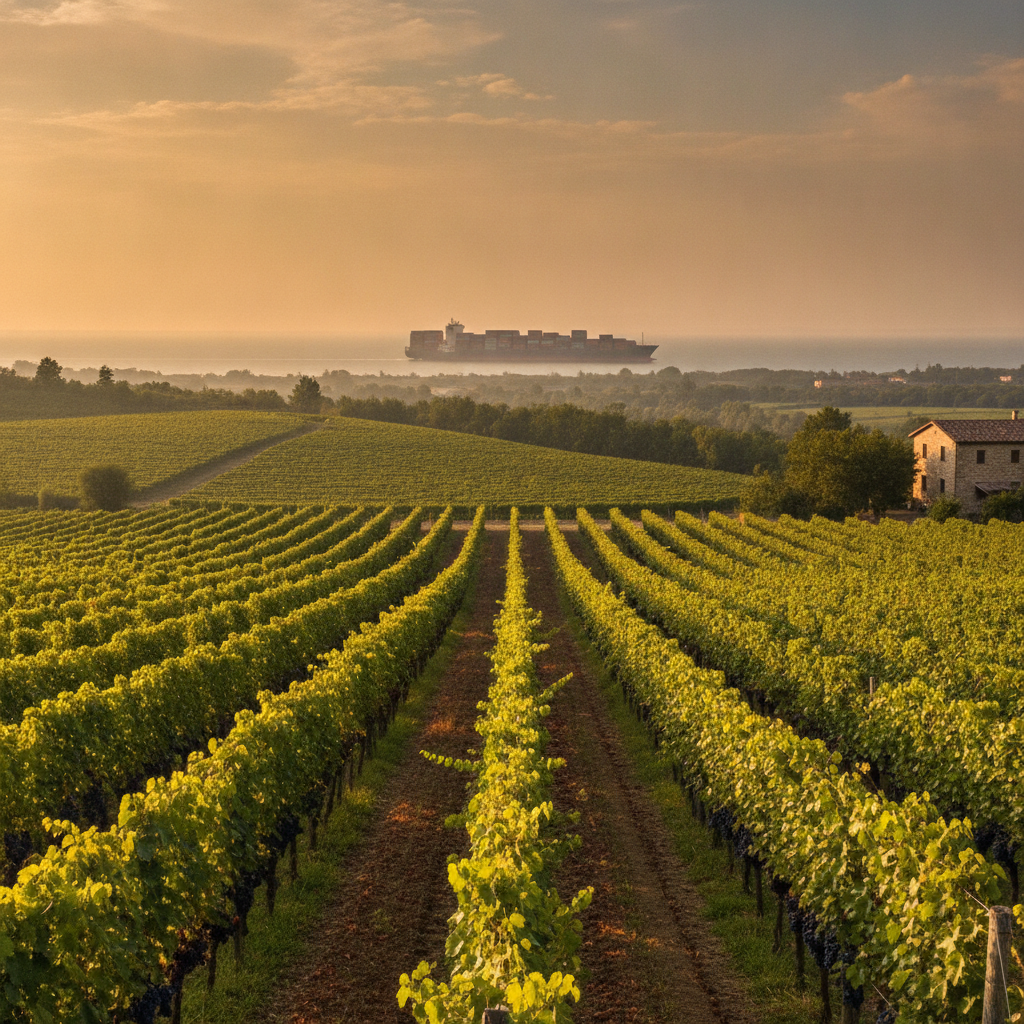
How is the Export Process Structured, From Negotiation to Delivery?
The export process for an Alessandria winery begins with qualifying the foreign buyer, verifying their financial stability, their import licenses for alcoholic beverages (often required outside the EU), and their commercial history. This is followed by negotiation, based on a proforma invoice, which outlines products, quantities, prices, Incoterms, and payment terms. Negotiation can lead to a final export invoice, essential for statistical and fiscal operations, including VAT refunds.
Customs documentation is crucial: in addition to the commercial invoice and packing list, certificates of origin, analyses, and, in some cases, specific health or quality certificates for the destination country may be required. Regulations vary significantly between markets; therefore, it is indispensable to consult ICE country guides or work with experienced freight forwarders to ensure all documentation complies with label information.
What Are the Key Documents for Wine Export?
Essential documents for wine export include the Proforma/Export Invoice, Packing List, Transport Document (AWB, B/L, CMR), Certificate of Origin, Certificate of Analysis, Import License (mandatory for the buyer in many non-EU markets), and Transport Insurance. Although EU regulations standardize many requirements, each country may impose additional certifications. Collaboration with the local importer and consulting ICE guides are fundamental to avoid customs issues.
Which Target Markets and Penetration Strategies are Most Effective?
Alessandria wineries can explore a wide range of international markets, choosing those most suitable based on consumption potential, competition, specific regulations, and distribution channels (supermarkets, HORECA, duty-free). For example, for markets like Albania, the ICE guide suggests verifying the existence of state monopolies or authorized agents. In Greece, it's important to understand the breakdown between GDO and HORECA and to prepare documentation for the excise duty regime.
The penetration strategy must be flexible and adapted to the specificities of each market. Constant dialogue with the distributor or importer is necessary to understand local dynamics, additional labeling requirements (such as translations or specific health warnings), and consumer preferences.
What are the Concrete Opportunities for Alessandria Wineries?
Opportunities for Alessandria wineries include expansion into European Markets, leveraging proximity and EU regulations. Non-EU Markets, such as the United States, Canada, Brazil, Australia, and Asian markets, offer strong demand for quality Italian wine but require attention to customs documentation and local regulations. It is also possible to target Market Niches, such as organic, biodynamic, or lesser-known indigenous varietal wines, which attract consumers seeking novelty and authenticity. Presence in the Wines Export network facilitates the sharing of experiences and best practices.
Frequently Asked Questions
What are the requirements for importing wine into non-EU countries?
The requirements for importing wine into non-EU countries vary significantly. Generally, a Proforma/Export Invoice, Packing List, Transport Document, Certificate of Origin, and Certificate of Analysis are required. In many cases, the foreign buyer needs a specific Import License for alcoholic beverages. It is crucial to consult ICE country guides or work with experienced freight forwarders to understand the specific regulations of the destination market.
How can I verify the financial stability of a foreign buyer before starting negotiations?
To verify the financial stability of a foreign buyer, it is advisable to research their commercial history, check for import licenses for alcoholic beverages (if applicable), and, if possible, request commercial references or information on their financial situation. Collaboration with entities such as Italian Chambers of Commerce abroad or utilizing credit assessment services can provide further assurances.
Is a certificate of origin required to export wine to all markets?
A certificate of origin is often required to export wine, especially to non-EU markets, to attest to the Italian origin of the product and benefit from any preferential trade agreements. However, its mandatory nature and issuance procedures can vary depending on the destination country. It is always advisable to check the specific requirements of the target market through ICE guides or by consulting a customs broker.
The wineries of the Alessandria province possess the intrinsic qualities – terroir, tradition, and passion – to establish themselves in international markets. Export success is not an automatic outcome but the result of a well-planned strategy, a deep understanding of documentary processes, and constant attention to the dynamics of the target markets.
The ICE guide, platforms like Access2Markets, and the support of specialized partners like Wines Export are invaluable resources for navigating the complexity of exporting. Approaching each phase with rigor, from buyer qualification to customs documentation management, and selecting the most appropriate distribution channel, is key to building solid and lasting commercial relationships.
The various Alessandria wineries already present in our pool represent a concrete example of how export barriers can be overcome. We invite all wineries in the territory to explore these opportunities, invest in knowledge, and seize the global potential of their excellent wines.