Ascolano Wine: International Sales Opportunities for Local Wineries
Wines Export Editorial · Last updated:
The province of Ascoli Piceno, with its scenic beauty and rich culture, represents a territory with significant wine potential for international markets. Wineries in this Marche province can seize important export opportunities by understanding global dynamics and the needs of foreign buyers. This article offers an overview of the sector, focusing on strategies for successful export and the valorization of local specificities. In-depth information: Federdoc — National Confederation of Italian Wine Protection Consortia.
The Territory and Its Wine Potential
What are the characteristics of the Ascoli Piceno territory for viticulture?
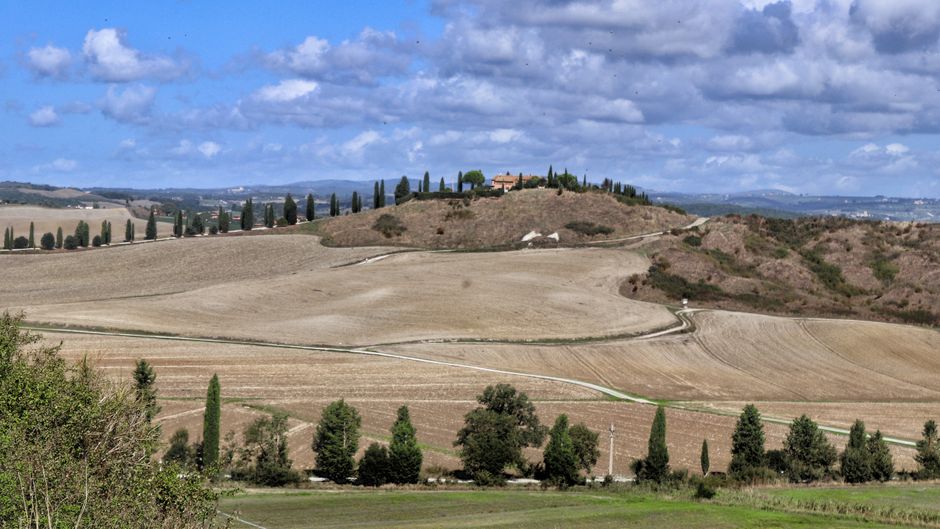
Ascoli Piceno boasts a strong food and wine tradition linked to high-quality products. The geographical conditions, with diverse soils ranging from coastal to mountainous areas, allow for the cultivation of native and international grape varieties, producing wines with distinct profiles.
The province, comprising 33 municipalities, offers unique microclimates and geologies that contribute to the creation of special wines. The growing interest of foreign consumers in niche products and lesser-known denominations presents an opportunity. Leveraging grape varieties such as Pecorino, Passerina, Montepulciano, and Sangiovese can be a strategic lever for global differentiation.

What International Buyers Seek: Quality, Authenticity, and Story
What are the key factors that international buyers look for in Italian wines?
Foreign buyers and importers seek products with good value for money, but more importantly, products that tell an authentic story and represent their region of origin. For wineries in Ascoli Piceno, it is essential to communicate the authenticity of the product, consistent quality, and the story tied to winemaking tradition.
Effective communication of the use of native grape varieties, traditional winemaking techniques, and the connection to the territory is crucial. Ensuring high-quality standards, supported by certifications, and conveying the passion of the producers and the peculiarities of the terroir are essential elements. Sustainability is an increasingly important value for international markets.
The Wines Export Pool Wineries: A Competitive Advantage
How does Wines Export support wineries in Ascoli Piceno in their export efforts?
Wines Export collaborates with selected wineries to support their internationalization. In the province of Ascoli Piceno, our pool of producers demonstrates a proactive vision and a willingness to engage with global markets, representing a strength for the territory.
The presence of these wineries in our network facilitates access to valuable information on market dynamics, target country regulations, and the most effective promotion strategies. Collaboration among wineries, supported by specialized services, can create positive synergies for collective growth and the promotion of Ascolano wine abroad.
Key Elements for Wine Export
What are the fundamental aspects to consider when exporting wine?
Exporting wine requires attention to various aspects, including customs documentation, Incoterms selection, labeling regulations, distribution channels, and payment methods. It is essential to verify the updated documentation list through ICE guides for each country.
Choosing the appropriate Incoterm defines the responsibilities between the seller and the buyer. Each country has specific requirements for labels, including nutritional values and health warnings. Understanding whether the market involves state monopolies or requires authorized distributors is important. Establishing clear payment terms and considering transport insurance are crucial steps.
Frequently Asked Questions
Which native grape varieties from the Ascoli Piceno province are of interest for export?
Native grape varieties such as Pecorino and Passerina for white wines, and Montepulciano and Sangiovese for red wines, are particularly interesting for differentiating on the global market.
What documents are generally required for exporting wine from Italy?
Typical customs documentation includes the commercial invoice, packing list, certificate of origin, and health certificate, but it is always necessary to verify the specific list for the destination country through ICE guides.
How can I ensure my wine complies with foreign market labeling regulations?
It is essential to research the specific requirements of each country for information to be included on the label, including nutritional values and health warnings, by consulting local regulations or ICE guides.
The province of Ascoli Piceno possesses the ideal characteristics to establish itself in the global wine market, thanks to a terroir suited for viticulture, valuable native grape varieties, and export-oriented wineries. The ability to communicate authenticity, quality, and story is the key to success.
Request a personalized demo to discover how we can help you bring your winery's wine to the world.