Bergamo Wines: Explore Wineries and Access Foreign Markets
Wines Export Editorial · Last updated:
The province of Bergamo, in the heart of Lombardy, boasts a growing wine heritage with significant export potential. While facing typical export challenges, Bergamo's wineries possess the quality and determination to gain recognition in international markets. This article serves as an essential guide for wineries in the province aiming to expand their global presence, analyzing the current landscape, opportunities, and necessary steps for successful exportation. In-depth look: Federdoc — National Confederation of Italian Wine Protection Consortia.
What are the characteristics of Bergamo wine for export?
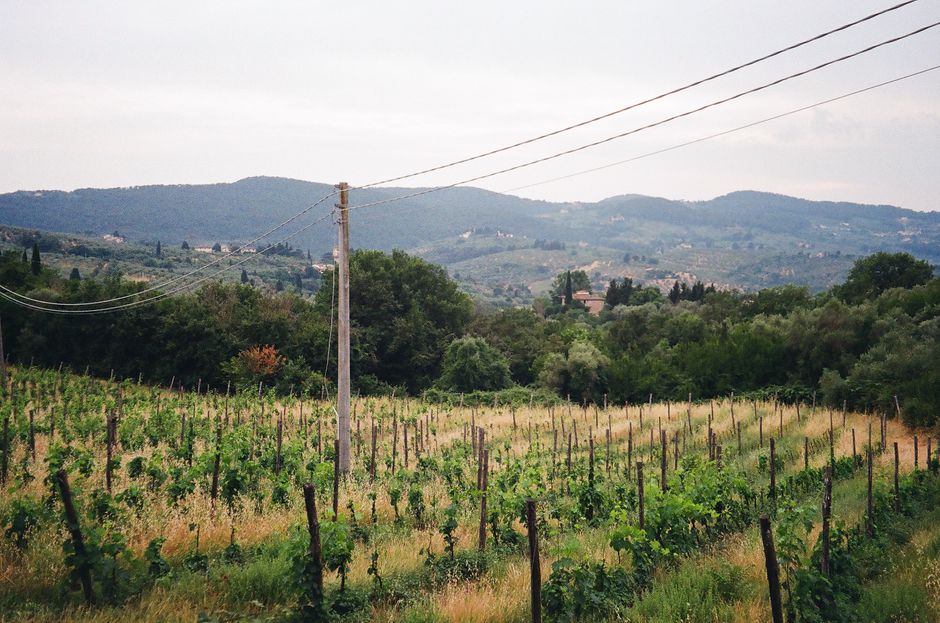
The Bergamo territory has an agricultural tradition that includes viticulture, with varied pedoclimatic conditions capable of producing wines with character. Local wineries are investing in innovation and quality for distinctive positioning, enhancing both indigenous grape varietals and aligning with international markets through more structured realities.
How does Wines Export support Bergamo wineries?
Wines Export has identified several wineries from the province of Bergamo in its producer pool, representing a sample of quality and determination in tackling the global market. Their presence in the network facilitates introductions to qualified international buyers, thanks to a deep understanding of their capabilities and ambitions.
How is the operational process for exporting wine structured?
Wine export follows a well-defined operational path, from the initial negotiation with an international buyer to delivery. This process includes crucial stages such as buyer qualification, negotiation of commercial terms, and management of customs and logistics documentation.
How to verify the reliability of a foreign buyer?
Before initiating negotiations, it is crucial to verify the foreign buyer's reliability and solvency. This includes checking their commercial registration, possession of licenses for importing alcoholic beverages (if required), and obtaining bank or trade references. A preliminary credit risk assessment can prevent problems related to insolvency.
What information must a proforma invoice for export contain?
The proforma invoice, an essential document for negotiation, must detail the products (name, vintage, bottle size), minimum order quantity (MOQ), unit price, currency, and proposed Incoterm. It serves as the basis for negotiating contractual terms.
What are the fundamental customs and logistics documents for export?
Every export operation requires specific documents such as the commercial invoice, packing list, certificate of origin, and, depending on the market, health or phytosanitary certificates. The CMR Convention governs road transport, while other logistical modes have specific regulations.
Key Documents for Export:
- Commercial Invoice: Fiscal document detailing seller, buyer, products, quantities, prices, and payment terms.
- Packing List: A detailed list of the contents of each package or pallet, essential for customs and logistics operations.
- Certificate of Origin: Confirms the geographical origin of the wine, useful for preferential trade agreements.
- Insurance Policy/Certificate: Covers risks related to the transport of goods, especially if stipulated by Incoterms (e.g., CIF/CIP).
- Customs Clearance Documents: Declarations required for import into the destination country, which may include the customs valuation declaration.
Consistency between the data on labels and in customs documentation is crucial to avoid delays or issues during import procedures.
What are the labeling and regulatory compliance requirements for exported wine?
Wine labeling for export must comply with both Italian regulations and those of the destination country, especially in markets with stringent regulations.
What does European legislation mandate regarding nutritional labeling and allergens?
As of 2023, EU Regulation 2021/2117 mandates the inclusion of nutritional information and the list of ingredients, including allergens like sulfites, on the label. This information must be accessible to the consumer, including via electronic means such as a QR code.
Are there specific mentions required by some foreign markets?
Each country may have additional requirements. For instance, for export to France, conformity in language and the presence of any "health warnings" or specific compliance marks required by French customs authorities must be verified. A double-check with the local importer is always recommended.
What are the regulations related to packaging and materials?
Packaging regulations (e.g., EU Regulation 2020/2151) require safe, recyclable, and resistant materials, with the application of mandatory symbols for recycling or indicating the fragility of the contents. The use of standard EU pallet dimensions (120x80 cm) facilitates logistics.
What strategies should be adopted for success in wine export?
Wine export requires strategic planning, attention to detail, and knowledge of target markets. Bergamo wineries should focus on:
- In-depth Market Research: Understanding consumer tastes, distribution channels, competition, and local regulations of each market. ICE guides and platforms like Access2Markets are essential starting points.
- Building Strong Relationships: Maintaining constant dialogue with importers and distributors, providing informational and promotional support. The quality of relationships is often a determining factor for long-term success.
- Flexibility and Adaptation: Being prepared to negotiate terms, adapt the offering, and respond to the specific needs of international partners, such as requests for custom bottling.
- Impeccable Compliance and Documentation: Ensuring all documentation is accurate, complete, and compliant with current regulations, both Italian and those of the destination country.
Wineries in the province of Bergamo have a concrete opportunity to expand their visibility and turnover in international markets. Through careful strategic planning, a thorough understanding of regulatory and logistical requirements, and the establishment of strong relationships with foreign partners, it is possible to transform the territory's enological potential into global commercial success. Wines Export stands by Bergamo wineries to facilitate this journey, offering support and specialized expertise to navigate the complexities of wine export.
Frequently Asked Questions
How can I verify the reliability of a potential wine buyer abroad before starting negotiations?
Before initiating negotiations, it is crucial to verify the foreign buyer's reliability and solvency. This includes checking their commercial registration, possession of licenses for importing alcoholic beverages (if required), and obtaining bank or trade references. A preliminary credit risk assessment can prevent problems related to insolvency.
What essential information must be included in a proforma invoice for wine export?
The proforma invoice, an essential document for negotiation, must detail the products (name, vintage, bottle size), minimum order quantity (MOQ), unit price, currency, and proposed Incoterm. It serves as the basis for negotiating contractual terms.
What are the fundamental customs and logistics documents required to ensure smooth wine export?
Every export operation requires specific documents such as the commercial invoice, packing list, certificate of origin, and, depending on the market, health or phytosanitary certificates. The CMR Convention governs road transport, while other logistical modes have specific regulations.