Dogliani Wine: Dolcetto DOCG and Langhe DOC for Piedmont Wineries
Wines Export Editorial · Last updated:
Dogliani, in the heart of the Langhe in the province of Cuneo, is an epicenter of Piedmontese wine production, especially for the Dolcetto grape. Local wineries, with centuries-old tradition and a suitable terroir, represent significant potential for export. They offer wines that combine history, quality, and a distinctive character, ready to conquer international markets. This article explores the peculiarities of Dogliani wine and the opportunities for producers. Deep dive: Federdoc — Italian Denominations Wine Protection Consortia National Confederation.
Dolcetto: An Excellent Piedmontese Grape Variety
Dolcetto, a black-skinned Piedmontese grape variety with roots in the 16th century, is known for its dry wines with moderate acidity and fragrant aromas of plum and violet. Despite its name, the wine is predominantly dry. Its etymology is debated, between the inherent sweetness of the grape and derivation from "dozzetti," indicating grapes grown on hilltops.
Dolcetto reaches its peak expression in denominations such as Dogliani, Ovada, and Diano d'Alba. The Langhe is a prime territory for this grape, where it is protected by the Denomination of Controlled and Guaranteed Origin (DOCG). Wine production in Dogliani achieves a high degree of excellence, with wines varying based on soil type and altitude. Compact calcareous soils produce more colorful and alcoholic wines, while sandy soils yield lighter wines.
Despite its name, Dolcetto wine can exhibit bitter notes, whereas the grape itself is sweet and suitable for table consumption. In some areas, such as Novi and Ovada, Dolcetto is mistakenly referred to as Nebbiolo. In the richer soils of the Langhe, Dolcetto produces wines with less color but are more alcoholic and robust. In the Novi district, Dolcetto gives rise to a more robust wine, with a vivid red color, an alcohol content between 11% and 12% vol., and acidity between 5 and 7 per mille.
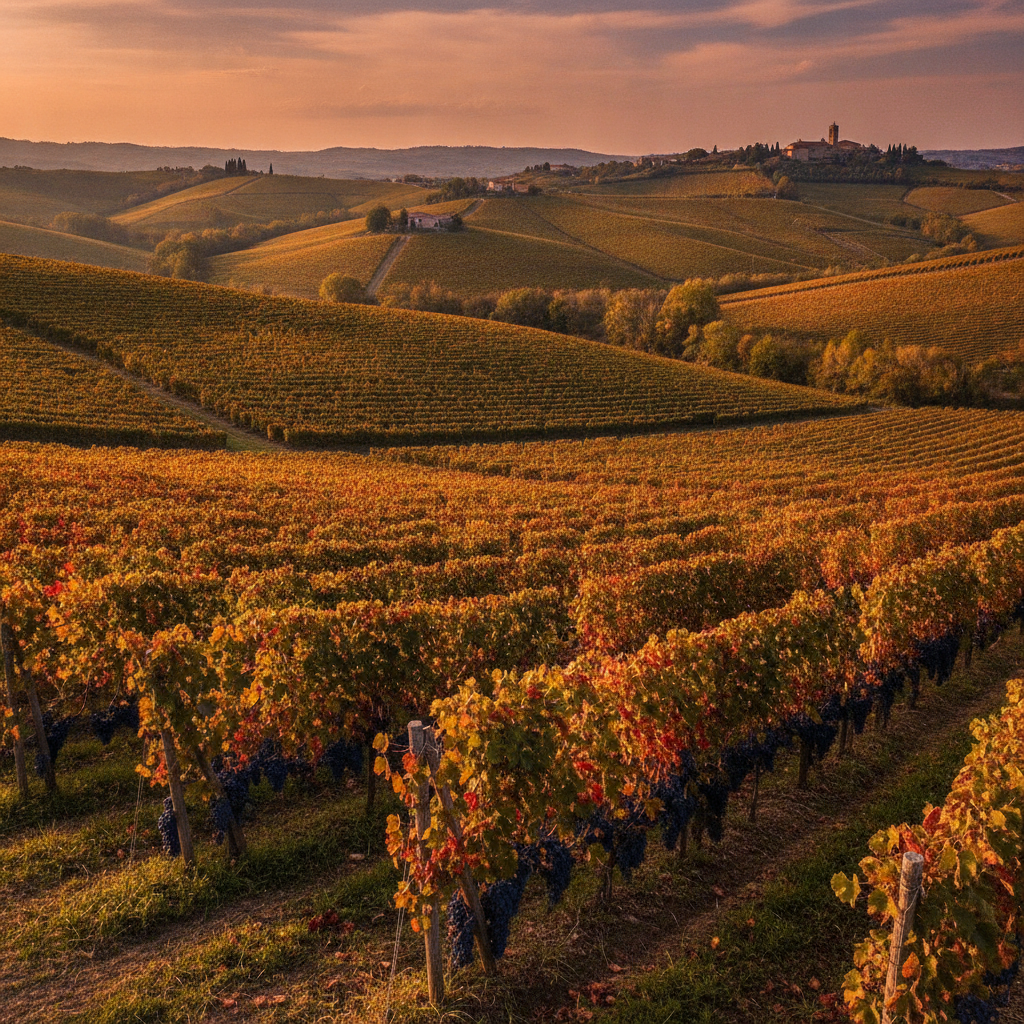
What are the Main Denominations for Dogliani Wine?
Dogliani is synonymous with Dolcetto di Dogliani DOCG, the denomination that guarantees the origin and quality of the wine produced in the municipality's territory. This DOCG represents the qualitative pinnacle for Dolcetto in this area, distinguishing itself through its unique characteristics.
Dogliani wines also fall under the broader Langhe DOC denomination. This denomination covers a vast territory in the Langhe and Roero, allowing producers to further express the versatility of their grape varietals, including Dolcetto.
The Piedmontese hills, with their fertile soils and variable altitudes, profoundly influence the wine's characteristics. The presence of calcareous and sandy soils contributes to the stylistic diversity of the Dolcettos produced. Dogliani's winemaking tradition is deeply tied to these territorial specificities, which translate into wines of great personality.
What is the Export Potential for Dogliani Wineries?
Research on the export of Piedmontese wines highlights the importance of factors such as belonging to a wine producer cluster, wine quality, and the company's legal status. Dogliani wineries, with their strong identity linked to Dolcetto and the DOCG and Langhe DOC denominations, already possess key elements to attract the interest of foreign buyers.
To maximize export potential, wineries should focus on:
- Quality and Authenticity: Maintain high quality standards and enhance the uniqueness of Dolcetto di Dogliani.
- Targeted Marketing Strategies: Identify the most receptive foreign markets for quality Italian wines and adapt communication to local cultural and consumption specifics.
- Relationship Building: Establish solid and lasting partnerships with importers and distributors who understand and promote the value of Dogliani wines.
- Participation in Industry Events: Attend international trade fairs and wine-focused events to meet potential buyers and increase brand visibility.
Dogliani wineries have the opportunity to establish themselves in global markets, offering a product that embodies the tradition, quality, and distinctive character of the Piedmontese territory. Currently, several wineries in the Dogliani area are part of the Wines Export producer pool.
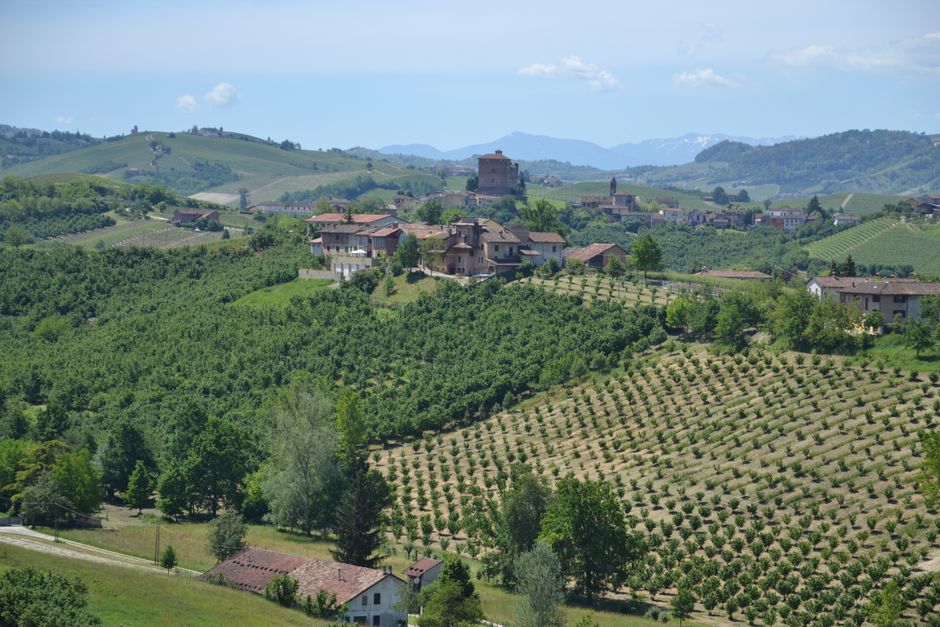
Frequently Asked Questions
What are the main characteristics of Dolcetto di Dogliani DOCG?
Dolcetto di Dogliani DOCG is a dry wine with moderate acidity and fragrant aromas of plum and violet. Its characteristics can vary depending on the soil, with more colorful and alcoholic wines from calcareous soils and lighter ones from sandy soils.
Is Dogliani Dolcetto a sweet wine?
Despite its name, Dolcetto wine is predominantly dry. The grape is sweet-tasting and very suitable for table consumption.
What denominations include Dogliani wines?
Dogliani wines are primarily under the Dolcetto di Dogliani DOCG denomination. They can also fall under the broader Langhe DOC denomination.