Emilia-Romagna Wines: Opening Doors to International Markets for Importers
Wines Export Editorial · Last updated:
Emilia-Romagna offers a rich and diverse wine heritage, with growing interest in international markets. For foreign buyers and importers seeking authentic, quality wines, this region represents fertile ground for opportunity. This guide provides a comprehensive overview of the export potential of Emilia-Romagna wines, analyzing the unique characteristics of its products, the regulations to adhere to, and strategies for successful integration into this dynamic sector, offering a solid foundation for informed purchasing decisions. Further insight: Federdoc — National Confederation of Italian Wine Protection Consortia.
What are the main grape varieties and wines of Emilia-Romagna?
Emilia-Romagna boasts a wide range of native and international grape varieties, among which Sangiovese stands out for structured reds and Lambrusco, a versatile sparkling wine. Excellent white wines such as Pignoletto and Trebbiano are also present, reflecting the region's diverse pedoclimatic conditions.
Among the most representative grape varieties are Sangiovese, which on the Romagna hills gives life to structured and fragrant red wines, and Lambrusco, the ultimate sparkling wine, available in various types (such as Sorbara, Grasparossa, and Salamino) that conquer palates worldwide with their freshness and versatility. Excellent white wines are also produced, like Pignoletto, fresh and aromatic, ideal for pairing with the region's rich cuisine, or Trebbiano, versatile and appreciated in different interpretations.
The region is also home to important designations that guarantee the quality and origin of wines, such as Sangiovese di Romagna DOC, Lambrusco di Sorbara DOC, Pignoletto DOCG, and Reno DOC. These designations, along with numerous IGTs (Indicazione Geografica Tipica), offer buyers a wide and qualified range of choices, capable of satisfying the needs of various market segments, from high-end catering to large-scale distribution.
What do foreign buyers look for in Emilia-Romagna wines?
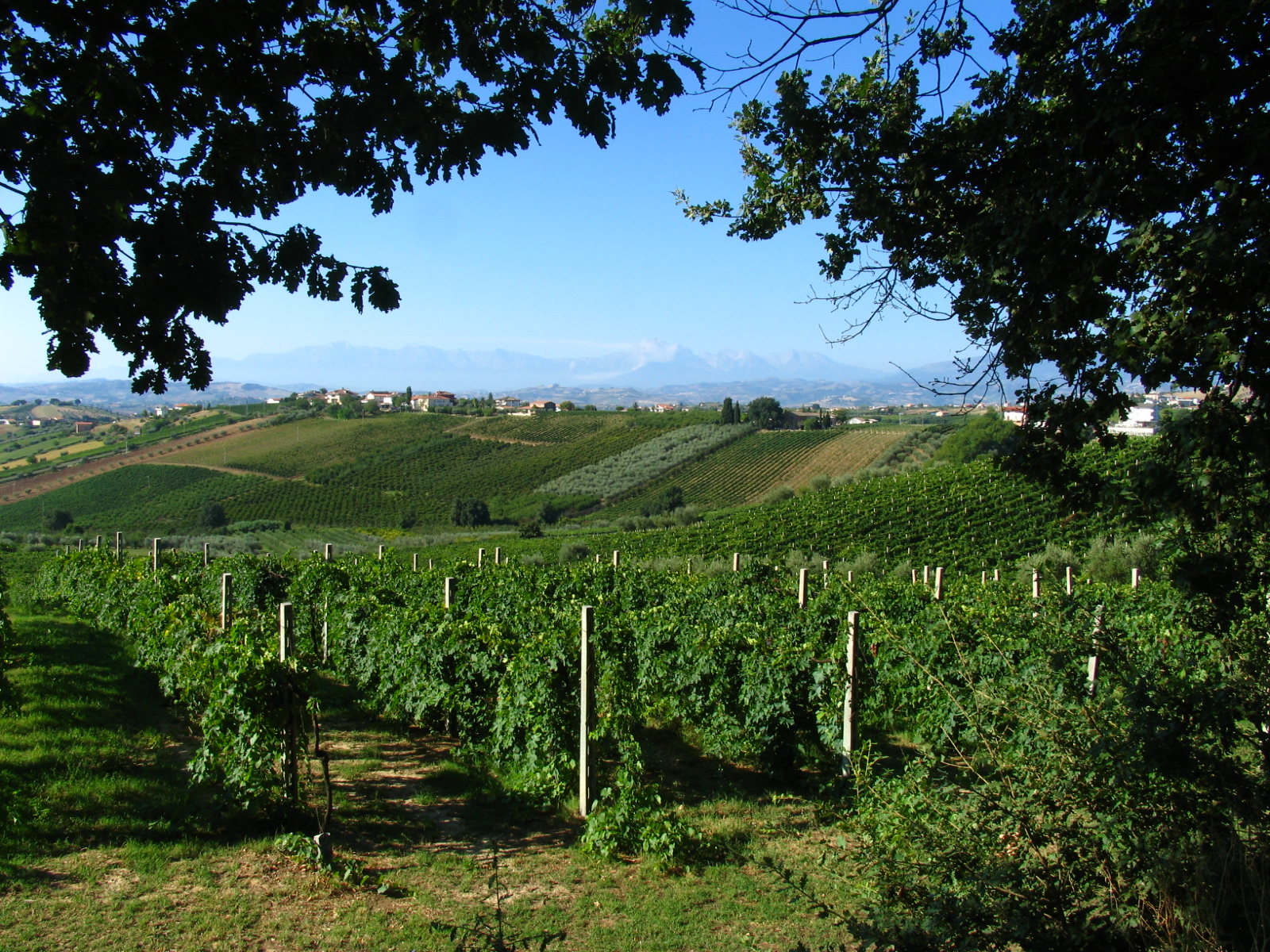
Foreign buyers seek wines that tell an authentic story, express their territory, and offer excellent value for money. Emilia-Romagna meets these demands with its strong territorial identity, the gastronomic versatility of its wines, and a blend of tradition and innovation.
International markets are increasingly seeking wines that tell a story, are authentic expressions of their territory, and offer excellent value for money. Emilia-Romagna wines perfectly meet these needs.
- Authenticity and Terroir: Foreign buyers appreciate the strong territorial identity of Emilia-Romagna wines, linked to indigenous grape varieties and traditional winemaking practices. The narrative of "terroir" and local peculiarities is a key element for market differentiation.
- Gastronomic Versatility: The richness and diversity of Emilia-Romagna's cuisine are a strong point. The region's wines, from robust Sangiovese to lively Lambrusco, are perfect for pairing with a wide range of dishes, an aspect highly sought after by international distributors looking for products that can adapt to different culinary traditions.
- Innovation and Quality: Alongside tradition, many Emilia-Romagna wineries invest in research and innovation, adopting modern winemaking techniques and aiming for high-quality standards. This blend of the ancient and the new is particularly appreciated by more evolved markets.
- Growth Potential: While Emilia-Romagna has a solid production base, it still presents significant growth potential in foreign markets, especially concerning niche markets and high-end wines.
What are the regulatory and documentation requirements for exporting wine from Emilia-Romagna?
Exporting requires attention to labeling, compliance with EU and international regulations, and preparation of complete shipping documentation. It is crucial to agree with the importer on any local labeling and specific requirements.
Labeling and Compliance
Label preparation is a crucial step. It is essential that the production label complies with European Union regulations, including all standard required information: origin, producer, batch, volume, and alcohol content. Furthermore, it is necessary to agree with the foreign importer on the content of any local adhesive labels, which may include the importer's name or specific translations required by the target market.
It is also important to request written confirmation from the importer regarding any "health warnings" or specific compliance markings for the distribution channel (e.g., duty-free, hotels). Compliance with the latest EU regulations, such as the obligation to include nutritional labeling and allergen information, is a fundamental requirement for many markets.
Shipping and Customs Documents
The winery, or its forwarder, must prepare a complete documentation package to accompany the goods. This typically includes:
- Final Commercial Invoice: Essential document attesting to the transaction.
- Packing List: Details the contents of each package.
- Certificate of Origin: If required by the importing country, it attests to the Italian origin of the wine.
- Transport Document: Such as the Bill of Lading (sea freight), CMR (road freight), or Air Waybill (air freight).
- VI-1 or VI-2 Document: Required by some non-EU countries to attest to the quality and origin of the wine.
- Certificate of Analysis/Quality: If required by the buyer or local regulations.
- Phytosanitary Certificate: Necessary if using untreated wooden pallets.
The export customs declaration (DAU/EX-A in the EU) is submitted by the forwarder to the exit customs. Upon arrival, the importer or their customs broker will present the documents to the import customs, paying local duties, VAT, and excise taxes.
Logistics and Insurance
The choice of transport mode (FCL/LCL container, groupage, refrigerated/reefer) is crucial to ensure product integrity. For valuable shipments, taking out ad hoc insurance coverage (marine cargo insurance) is strongly recommended, as carrier liability is legally limited.
Certificates and Analyses
It is necessary to retain the wine's certificate of analysis and the certificate of origin, documents often requested by customs. It is important to clarify in writing who will bear the costs of the certificate of analysis, especially if requested by the importer.
How does Wines Export support wineries in exporting?
Wines Export offers support to Emilia-Romagna wineries through documentation assistance, regulatory consulting, and access to networks of qualified buyers. Our pool of regional producers is selected for quality and ability to meet international demands.
Wines Export actively supports Emilia-Romagna wineries in facing export challenges. Our pool of regional producers includes companies that distinguish themselves for quality, innovation, and the ability to meet the demands of international markets. By collaborating with Wines Export, wineries gain access to:
- Support in Documentation Preparation: Assistance in completing and managing all necessary export documents.
- Regulatory Consulting: Guidance on specific market regulations, including labeling and certification requirements.
- Access to Qualified Buyer Networks: Connections with selected importers and distributors in major global markets.
- Marketing and Communication Strategies: Support in promoting Emilia-Romagna wines abroad, highlighting the uniqueness of the region and its products.
Frequently Asked Questions about Exporting Wine from Emilia-Romagna
What are the main Emilia-Romagna wine designations to consider for export?
Key designations to consider include Sangiovese di Romagna DOC, Lambrusco di Sorbara DOC, Pignoletto DOCG, and Reno DOC, in addition to numerous IGTs, which offer a broad, qualified selection for various market segments.
Is a certificate of origin required to export wine from Emilia-Romagna?
A certificate of origin may be requested by the importing country to attest to the Italian origin of the wine and facilitate customs procedures.
Who is responsible for the costs of a wine analysis certificate requested by the importer?
It is important to clarify in writing who will bear the costs of the certificate of analysis, especially if it is specifically requested by the foreign importer.
Emilia-Romagna possesses all the ingredients to further establish itself in international markets: high-quality wines, a strong connection to its territory, growing attention to innovation, and a diverse offering capable of satisfying the most demanding palates. For foreign buyers and importers, it represents a strategic opportunity to enrich their portfolio with authentic products of great potential.
With the right regulatory preparation, efficient logistics, and a reliable partner like Wines Export, Emilia-Romagna wineries can successfully navigate the challenges of export, bringing the taste and passion of Emilia-Romagna to tables worldwide.