Ligurian Wine Abroad: Opportunities and Regulations for Importers
Liguria, an Italian region famed for its breathtaking landscapes and coastline, is emerging as a destination of growing interest on the international wine scene. For foreign buyers and importers seeking niche yet high-quality wine products, Ligurian wine represents an opportunity worth exploring. This article offers a comprehensive overview of the Ligurian wine sector, providing essential information for those wishing to integrate these wines into their offerings. Learn more: Federdoc – National Confederation of Consortia for the Protection of Italian Denominations.
Why is Liguria a Unique Territory for Viticulture?
Viticulture in Liguria is intrinsically linked to its geography. Vineyards extend across steep terraces overlooking the Ligurian Sea, requiring intensive manual labor and a deep understanding of the land. This "heroic viticulture," as it is often called, produces wines with unique characteristics, strongly influenced by the maritime microclimate and mineral-rich soils.
Liguria's vineyard surface area is relatively small compared to other Italian regions, which contributes to making its wines more exclusive and sought-after. The main production areas are concentrated along the coast and in the inland valleys, where indigenous grape varieties such as Vermentino, Pigato, Rossese, and Granaccia find their ideal habitat.
Which Ligurian Wineries Are Ready for Export?
Wines Export collaborates with several Ligurian wineries that have chosen to expand their presence in international markets. These companies, while operating in an artisanal and niche production context, are ready to meet the demands of foreign buyers and importers, offering wines that tell the story and authenticity of the territory. Our network of producers in Liguria is growing, with several wineries benefiting from our export support.
What Are the Characteristics and Regulations of Ligurian Wines?
Ligurian wines are distinguished by their freshness, minerality, and aromatic complexity.
Which White Wines Represent Liguria?
Vermentino is the most representative white grape variety in Liguria. It produces wines with a straw-yellow color with greenish reflections, characterized by aromas of aromatic herbs, citrus, and floral notes. On the palate, they are fresh, sapid, and have good persistence. Pigato, a clone of Vermentino, is typical of the Albenga area and stands out for its greater complexity and higher aging potential.
Which Red Wines Are Typical of Liguria?
Among the red grape varieties, Rossese stands out, particularly Rossese di Dolceacqua DOC, one of the region's most renowned wines. This wine presents a brilliant ruby red color, with aromas of violet, cherry, and spices. On the palate, it is elegant, with soft tannins and good acidity. Granaccia, an indigenous grape variety, gives life to red wines with an intense color, fruity and spicy notes, and a good body.
What Are Ligurian Rosé Wines Like?
Ligurian rosé wines, often made from grapes such as Rossese or Granaccia, are characterized by a delicate color and subtle aromas of red fruits and flowers. They are fresh and pleasant wines, ideal for aperitifs or to accompany light dishes.
What Are the Main Regulations and Standards for Export?
For export, it is crucial to be familiar with the regulations of Liguria's Denominazione di Origine Controllata (DOC) and Indicazione Geografica Tipica (IGT). The main DOCs include:
- Rossese di Dolceacqua DOC: For red wines produced with at least 90% Rossese.
- Riviera Ligure di Ponente DOC: A large area encompassing various subzones and grape varieties, including Vermentino, Pigato, and Rossese.
- Colli di Luni DOC: Shared with Tuscany, primarily produces Vermentino.
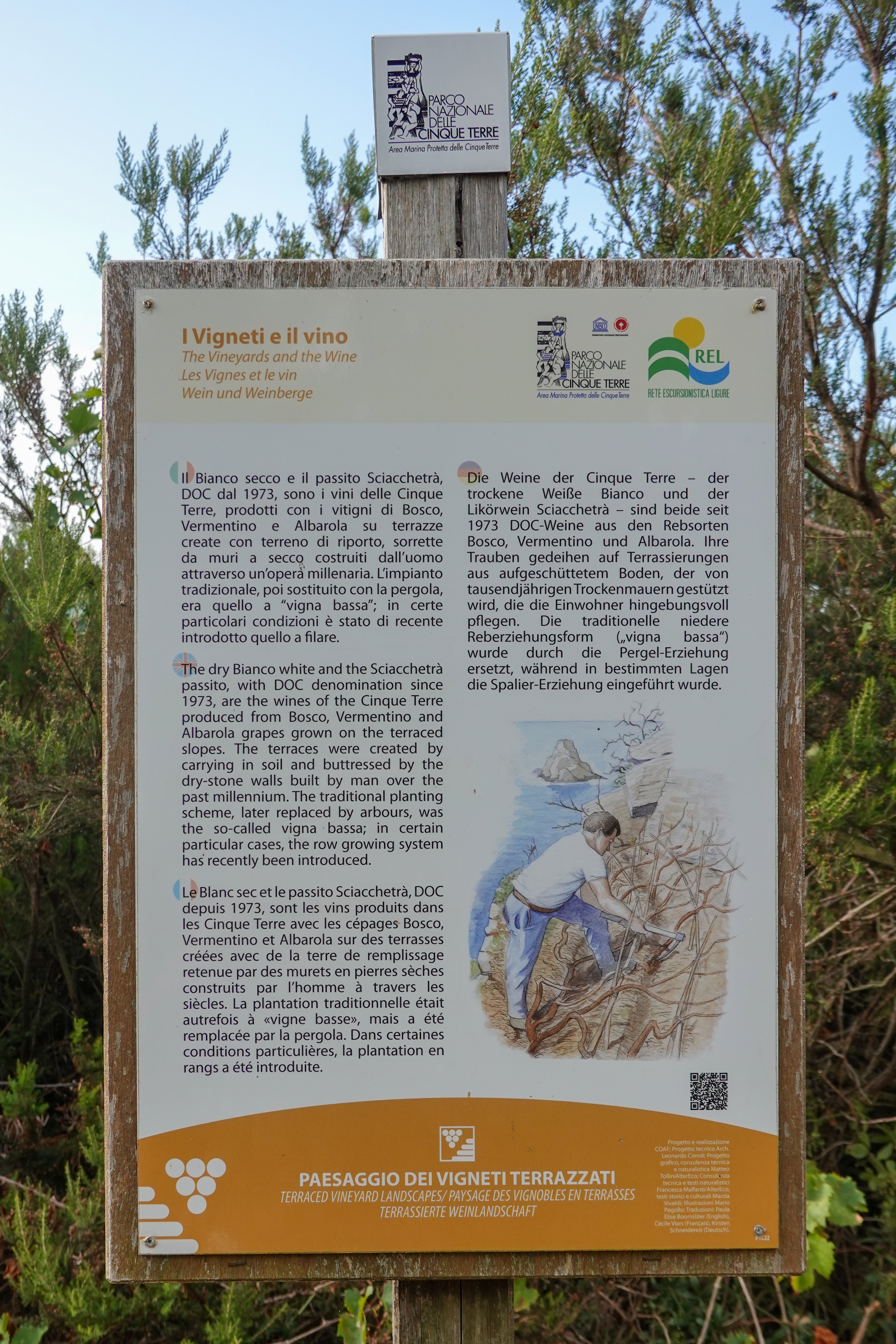
- Cinque Terre DOC: Famous for its dry white wine, produced from Bosco, Albarola, and Vermentino grapes, and for Sciacchetrà, a precious sweet passito wine.
It is important to note that, as with other wines intended for export, labeling must comply with the regulations of the importing country. This includes the declaration "contains sulfites" and, depending on the market, nutritional labeling and other specific information. The ICE (Italian Trade Agency) guide for various destination countries (such as Belgium, Estonia, Luxembourg, USA, etc.) provides details on these requirements, which can vary significantly. For example, for exports to non-EU countries, it is necessary to verify the label's compliance with local requirements, such as TTB in the United States, and obtain any certificates of analysis or origin required by customs authorities.

What Are Foreign Buyers Looking for in Ligurian Wine?
Foreign buyers and importers are attracted to Ligurian wine for several reasons:
- Uniqueness and Authenticity: Heroic viticulture and indigenous grape varieties offer wines that stand out from mass production.
- Quality and Terroir: The connection to the land and unique pedoclimatic conditions result in high-quality wines with a strong character.
- Niche Market: Ligurian wines are well-positioned in market segments seeking exclusive and niche products.
- Storytelling Potential: The history of Ligurian viticulture, its challenges, and traditions offer rich narrative material for marketing.
What are the Market Opportunities for Ligurian Wine?
European markets such as Germany, Switzerland, Belgium, and Scandinavia are particularly receptive to quality Italian wines. Even further afield markets like the United States, Canada, and Australia show growing interest in Italian food and wine excellence.
For an importer, integrating Ligurian wines into their portfolio means offering their customers distinctive products capable of enriching their offerings and satisfying the demand of consumers seeking authentic wine experiences.
What is the Operational Flow for Exporting Ligurian Wine?
Exporting wine from Liguria follows the same operational phases as any other Italian region, but with particular attention to the specificities of the territory and producers.
- Buyer Contact and Qualification: It is essential to verify the solvency and import license of the potential foreign partner.
- Commercial Offer: The proforma invoice must detail products, quantities, prices, and Incoterms. Negotiation may also involve MOQs (Minimum Order Quantity) and payment terms.
- Export Documentation: Preparation of the commercial invoice, packing list, certificate of origin (if required), certificate of analysis, and specific documents for the destination country.
- Logistics and Shipping: Selection of the carrier, management of customs procedures, and insurance of the goods.
- Regulatory Compliance: Ensure that labels, packaging, and wine composition comply with the regulations of the importing country (e.g., TTB requirements for the USA, EU regulations for European countries).
Ligurian wine represents an Italian excellence, a territory that, though small, holds a viticultural heritage of great value.
Frequently Asked Questions about Exporting Ligurian Wine
What are the most important indigenous grape varieties of Liguria for export?
The most important indigenous grape varieties for export include Vermentino (and its clone Pigato), Rossese, and Granaccia, which give rise to white, red, and rosé wines with unique characteristics.
What are the main Ligurian DOCs relevant for foreign importers?
The main Ligurian DOCs relevant for foreign importers are Rossese di Dolceacqua DOC, Riviera Ligure di Ponente DOC, Colli di Luni DOC (shared with Tuscany), and Cinque Terre DOC, the latter also known for its Sciacchetrà passito wine.
Which foreign markets are most receptive to Ligurian wines?
European markets such as Germany, Switzerland, Belgium, and Scandinavia are particularly receptive, as are the United States, Canada, and Australia, which show a growing interest in Italian food and wine excellence.