Italian Wine Abroad: Positioning Strategies and Requirements for Success
Wines Export Editorial · Last updated:
The global wine market is a complex and highly competitive ecosystem, where the prestige of historic brands like Petrus intertwines with growth opportunities for Italian wines. Understanding the dynamics that govern the success of an icon like Petrus can offer valuable insights for Italian wineries aiming to expand their presence in international markets. This article analyzes what makes Petrus a benchmark and how Italian wine can strategically position itself to compete and thrive abroad, considering documentary requirements, market strategies, and the peculiarities of different countries.
How is a Prestigious Wine like Petrus Positioned?
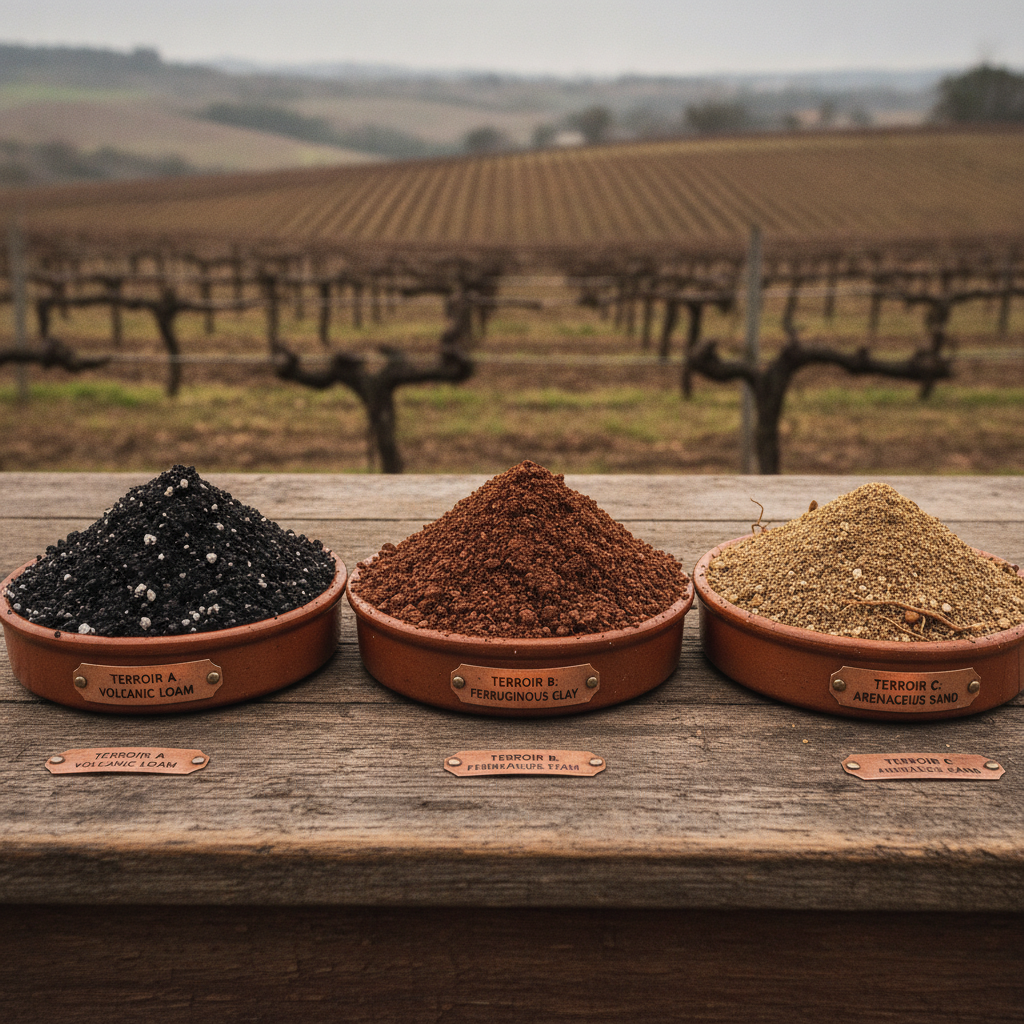
Petrus, from the Pomerol region in Bordeaux, is synonymous with excellence and rarity in the wine world. Its reputation is built on an exceptional terroir, limited production, meticulous attention to quality, and a history of success that has solidified its value over time, creating an aura of exclusivity and strong demand.
For Italian wineries, analyzing Petrus's success inspires effective positioning strategies. Italy boasts a unique diversity of grape varieties and territories. The key lies in identifying and enhancing the unique characteristics of their wines, communicating their intrinsic value and authenticity to foreign markets.
What Positioning Strategies are Effective for Exporting Italian Wine?
The international wine market presents various facets, each with its own challenges and opportunities. Italian wineries must adopt a strategic approach, considering several factors for successful export.
How to Identify the Right Distribution Channel for Italian Wine?
Choosing the right importer is crucial. It is essential to identify an importer with an active wholesale license and a proven presence in the Horeca (Hotel, Restaurant, Catering) channel. This ensures that the wine reaches the most appropriate sales channels for a quality product.
For markets like the United States, the presence of platforms and logistic-commercial hubs dedicated to Italian wine can act as aggregators for smaller wineries, facilitating access to an initial importer. 2025 Guide to Exporting and Selling Wine in the American Market.
How to Evaluate the Price Tier Positioning for Italian Wine Abroad?
Italian wine already enjoys a historical leadership position in specific segments, such as sparkling wines, where its value share was around 39% in 2019/2020. For other segments, it is advisable to consider a medium-high tier positioning, where demand is structurally growing.
This allows for differentiation from mass-produced products and highlights the quality and uniqueness of Italian wine.
What Export Materials are Essential to Prepare?
Before initiating any commercial contact, it is essential to have materials in English (or the target market's language) including: wine technical sheets, winery presentation, price lists in FCA/FOB (Free Carrier/Free On Board) terms, and high-resolution images of the labels.
It is also important to verify label compliance with the destination country's regulatory requirements before promising immediate availability, as is the case with TTB requirements in the United States. USA and Canada Requirements for Italian Wine.
What are the Essential Documents for Wine Export?
Every international wine shipment requires accurate and complete documentation, serving various purposes: proof of transportation contract, basis for customs clearance, and proof of regulatory compliance. There is a core set of universal documents, necessary regardless of the destination country, and specific requirements that vary from market to market.
What are the Universal Documents for Wine Export?
Among the fundamental documents that every exporting Italian winery must have ready are the Commercial Invoice, the Proforma Invoice, the Packing List, and the EORI Registration (for EU exporters). These documents detail the product, quantity, value, delivery terms, and customs classification, facilitating customs operations and preliminary negotiations.
What Specific Documents are Required for Certain Countries?
Each country may require additional documentation. For example, Romania does not require an import customs declaration or a certificate of origin for intra-Community trade but requires the management of the e-AD. The Netherlands requires DAA/e-AD via EMCS. South Africa needs certificates of analysis and declarations of conformity.
In the USA, the TTB regulates wines with an alcohol content above 7% vol., and it is necessary to obtain the COLA (Certificate of Label Approval) before importation. USA and Canada Requirements for Italian Wine. For extra-EU markets, the certificate of origin and physico-chemical analysis certificates are common.
What are the Specific Considerations for the Ukrainian Market?
For the Ukrainian market, it is advisable to identify an importer with an active wholesale license and a presence in the Horeca channel. It is important to consider medium-high tier positioning, given the structural growth in demand in this segment. In contexts of instability, it is imperative to verify the operational status and updated licenses of importers before reactivating business relationships. Potential and Accessibility of the Ukrainian Market for Italian Wines.
Frequently Asked Questions
What are the labeling requirements for exporting wine to the United States?
In the United States, the TTB (Alcohol and Tobacco Tax and Trade Bureau) regulates wines with an alcohol content above 7% vol. The COLA (Certificate of Label Approval) must be obtained before importation, a process that can take several weeks. USA and Canada Requirements for Italian Wine.
What documents are needed to export wine to Romania?
For Romania, no import customs declaration or certificate of origin is required for intra-Community trade. Essential documentation includes the export invoice, packing list, and, upon request, certificates of analysis. Crucial is the management of the e-AD (electronic accompanying document) for excise duty suspension movements. ICE Wine Export Guide - Romania.
How is wine export to Albania managed?
For Albania, documents such as the commercial invoice, packing list, and certificate of origin are required. It is important to verify specific regulations for the import of alcoholic beverages and any necessary licenses. ICE Wine Export Guide - Albania.
The success of an icon like Petrus demonstrates the importance of positioning, quality, and communicating value. Italian wineries, with their unparalleled enological and cultural diversity, have all the makings to establish themselves in international markets. Through careful strategic planning, meticulous documentation preparation, and the selection of the right partners, Italian wine can continue to win over new connoisseurs worldwide, building its own distinctive and lasting path to success.